
Container Gardens
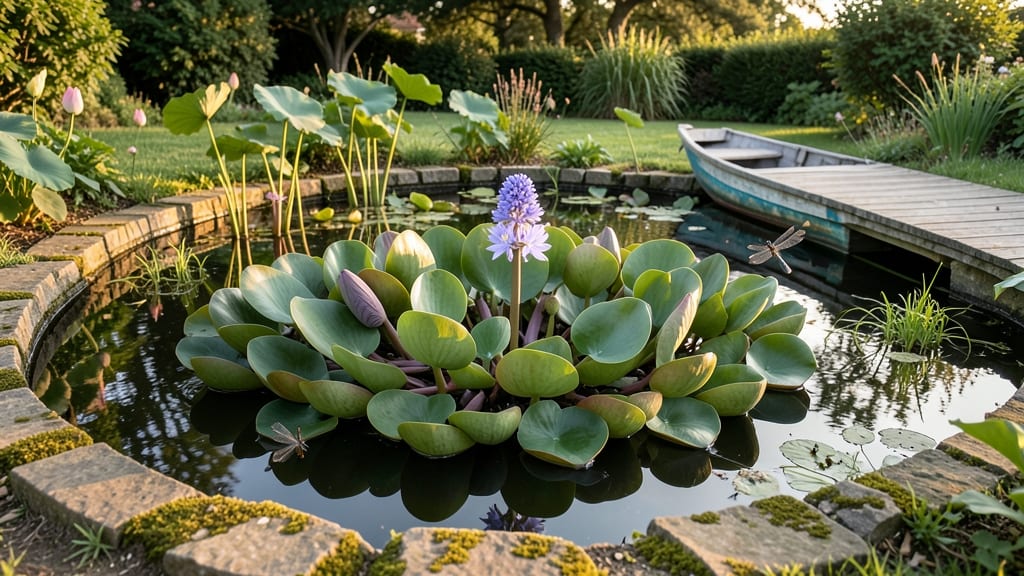
Finding aquatic gardens near you reveals vibrant water-based landscapes featuring native aquatic plants, koi ponds, and carefully curated ecosystems designed for relaxation and education. These spaces often host seasonal plant displays and expert-led workshops, making them ideal for both casual visitors and plant enthusiasts.
These tranquil spaces go beyond decorative ponds—they're living ecosystems that filter water naturally, support local wildlife, and often feature rare aquatic species. 🌿 Many local botanical gardens and conservatories include dedicated aquatic sections where you can observe how plants like water lilies and cattails thrive in controlled environments.
I recommend visiting during spring or early summer when seasonal blooms create stunning visual displays, and always check their websites for guided tours that explain the ecological benefits of each plant.
For hands-on experiences, some aquatic gardens offer plant propagation workshops where you can learn to grow your own aquatic plants at home. The best part? Many of these locations are free or low-cost, with some even providing free plant identification guides for visitors.
Whether you're looking for a peaceful retreat or inspiration for your own water garden, these local aquatic havens deliver both beauty and practical knowledge.
💡 In This Article
- What Makes Aquatic Gardens Unique Ecosystems?
- How to Find and Visit the Best Aquatic Gardens Near You
What makes aquatic gardens unique ecosystems?
Aquatic gardens function as self-sustaining microcosms where water plants play a vital ecological role. Unlike traditional gardens, these ecosystems rely on submerged and floating plants like water lilies (Nymphaea) and hornwort (Ceratophyllum) to naturally filter pollutants through their roots and leaves.
For example, a single water hyacinth (Eichhornia crassipes) can absorb up to 70% of nitrogen and 60% of phosphorus from water in just 2 weeks, making them powerful biological filters. 💧 This process mimics natural wetlands, which are often called "Earth's kidneys" for their water purification capabilities.
The balance between plant species creates a thriving habitat for wildlife. Koi ponds, for instance, often incorporate oxygenating plants like anacharis (Elodea canadensis) that release 30-50% more oxygen than surface plants during photosynthesis. This oxygen boost supports fish populations while preventing stagnation.
Many aquatic gardens also integrate native species that have co-evolved with local wildlife, creating food webs that sustain frogs, dragonflies, and beneficial insects. The result is a dynamic ecosystem where every plant serves a purpose—whether it's providing shade, shelter, or food.
Controlled environments like hydroponic systems or recirculating aquaculture allow these gardens to thrive year-round. Unlike outdoor ponds that freeze in winter or dry up in summer, indoor aquatic displays maintain stable temperatures (typically 65-75°F) and pH levels (6.5-7.5) through automated systems.
This precision lets curators grow tropical species like Amazon sword plants (Echinodorus) that wouldn't survive in colder climates. The science behind this involves careful monitoring of water chemistry, where even a 0.5 pH shift can stress sensitive aquatic plants.
One fascinating aspect is how these gardens educate visitors about aquatic plant propagation. Many feature demonstration areas where you can see how cuttings from mother plants (like water lettuce) grow into full colonies in just 4-6 weeks.
This hands-on approach helps visitors understand how aquatic plants reproduce both sexually (through seeds) and asexually (via runners or tubers).
The tactile experience of touching broadleaf arrowhead (Sagittaria latifolia) leaves—smooth and waxy—contrasts with the spiky texture of water chestnut (Trapa natans), demonstrating the diversity of aquatic plant adaptations.
For those interested in biodiversity, aquatic gardens often serve as conservation hubs. Rare species like the endangered yellow flag iris (Iris pseudacorus) find protected habitats in these controlled environments.
The gardens' role in conservation extends to waterfowl, as shallow margins planted with cattails (Typha) provide nesting sites for ducks and geese. Visitors frequently notice how these marginal plants create a gradual transition from land to water, mimicking natural shorelines that support amphibians during breeding seasons.
What most people don't realize is how these ecosystems contribute to mental well-being. Studies show that viewing water features reduces stress by 20-30% through a phenomenon called "blue space therapy"—the calming effect of aquatic environments.
The combination of moving water, vibrant plant colors, and the sound of water lilies rustling in gentle breezes creates a multisensory experience that engages both the mind and body. This is why many therapeutic gardens incorporate aquatic elements as their centerpiece. 🌿