
Tools
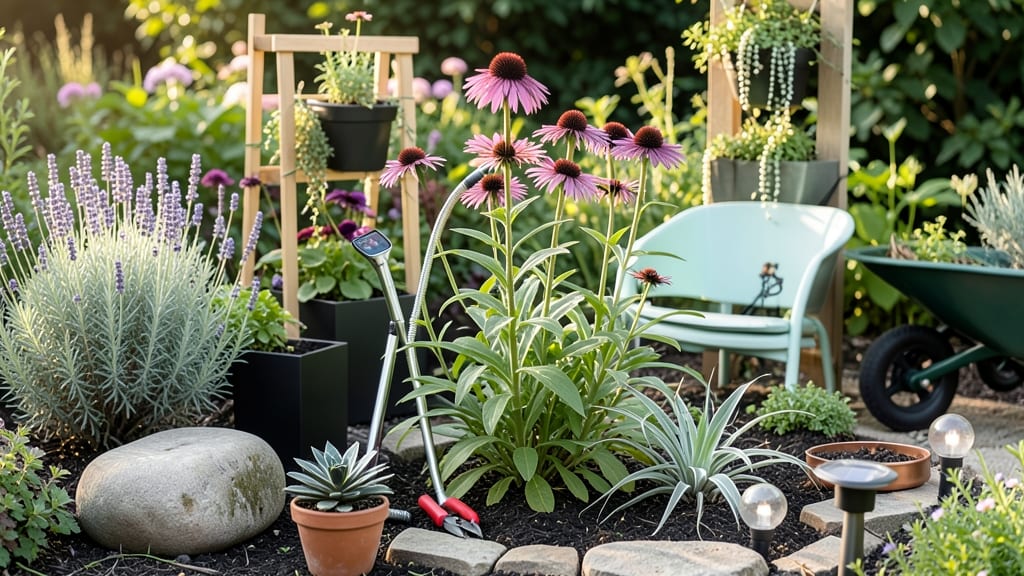
The 2024 home and garden trend focuses on biophilic design and low-maintenance solutions, with drought-tolerant plants like succulents and ornamental grasses taking center stage. Upcycled furniture and vertical gardening are also key, as designers prioritize eco-friendly materials and spaces that support local ecosystems while cutting water usage.
The 2024 trend isn't just about aesthetics—it's about creating spaces that nurture both people and the planet. 🌿 Biophilic design, which integrates natural elements into outdoor areas, has been proven to reduce stress and improve mental well-being, making it a top priority for modern landscapes.
Meanwhile, the push for sustainability means homeowners are turning to native plants that thrive with minimal watering and upcycled materials that give old furniture new life.
What’s especially exciting is how these trends adapt to different spaces and budgets. Vertical gardening, for example, lets urban dwellers grow herbs or flowers without sacrificing square footage, while cottagecore-inspired gardens blend nostalgia with practicality by using repurposed items like vintage crates as planters.
The focus on multi-functional landscapes—think edible gardens tucked into decorative beds—shows how creativity can make sustainability effortless.
💡 In This Article
- Why Biophilic and Water-Conscious Landscaping Dominate 2024
- Top 2024 Garden Styles: From Cottagecore to Minimalist Edibles
Why biophilic and water-conscious landscaping dominate 2024
Biophilic design thrives in 2024 because it directly taps into our evolutionary connection to nature. Studies from the University of Washington show that exposure to natural elements like plants and water features reduces cortisol levels (the stress hormone) by up to 27% within 30 minutes.
This isn't just about aesthetics—it's a physiological response. Our brains respond to natural textures (the rough bark of trees, the smooth stones in a Zen garden) and movement (dripping fountains, rustling leaves) through what scientists call "soft fascination," which calms the nervous system without requiring focus.
The water-conscious aspect stems from climate realities. Xeriscaping (landscaping that requires little to no irrigation) has gained traction because native plants like sedum and yucca thrive on 30-50% less water than traditional lawns.
For example, a 1,000-square-foot lawn uses about 10,000 gallons of water annually, while replacing it with drought-tolerant ground covers reduces that to 2,500 gallons. Rainwater harvesting systems, like underground cisterns or simple rain barrels, further cut water use by 40-60% in suitable climates. 💧
Native plants play a dual role—they're water-efficient AND ecosystem boosters. Unlike non-native species, they've co-evolved with local pollinators, providing food and habitat. For instance, the purple coneflower attracts 12 species of butterflies while requiring no supplemental watering in most U.S. regions.
This creates a self-sustaining cycle where your garden becomes part of the local food web, reducing the need for chemical interventions that harm biodiversity.
What makes these trends accessible is their adaptability. Urban dwellers can start with vertical planters (using 5-gallon buckets with drainage holes) on balconies, while suburban homes can dedicate 20% of their yard to native shrubs and perennials.
The key is layering: combine 3-5 species with varying heights and bloom times for year-round interest while minimizing water needs. Even small changes, like replacing 20% of your lawn with clover, can reduce mowing by 50% and water use by 30%. 🌱
Cost savings make these trends particularly appealing. A $500 investment in native plants and rainwater collection can save $1,200 annually on water bills in drought-prone areas. The upfront cost of installing a 500-gallon rain barrel ($150-$250) pays for itself in 2-3 years through water savings alone.
For renters, container gardening with succulents (which need water every 2-4 weeks) offers flexibility without commitment.
The science behind these trends extends to mental health benefits. A 2023 study in Environmental Science & Technology found that gardens with 3+ types of plants and visible water elements improved mood scores by 40% compared to traditional lawns.
The combination of sensory stimulation (aromas, textures) and reduced maintenance creates spaces that feel both therapeutic and sustainable. This is why designers are incorporating "sensory pathways" with fragrant herbs like lavender and rosemary alongside visual elements.
For those starting small, begin with a "micro-biophilic zone": designate one corner of your space with 1-2 native plants, a small water feature (even a tabletop fountain), and textured elements like a stone path or wooden bench.
The goal isn't perfection—it's creating pockets of nature that enhance well-being while working with your environment. 🌿