
Tools
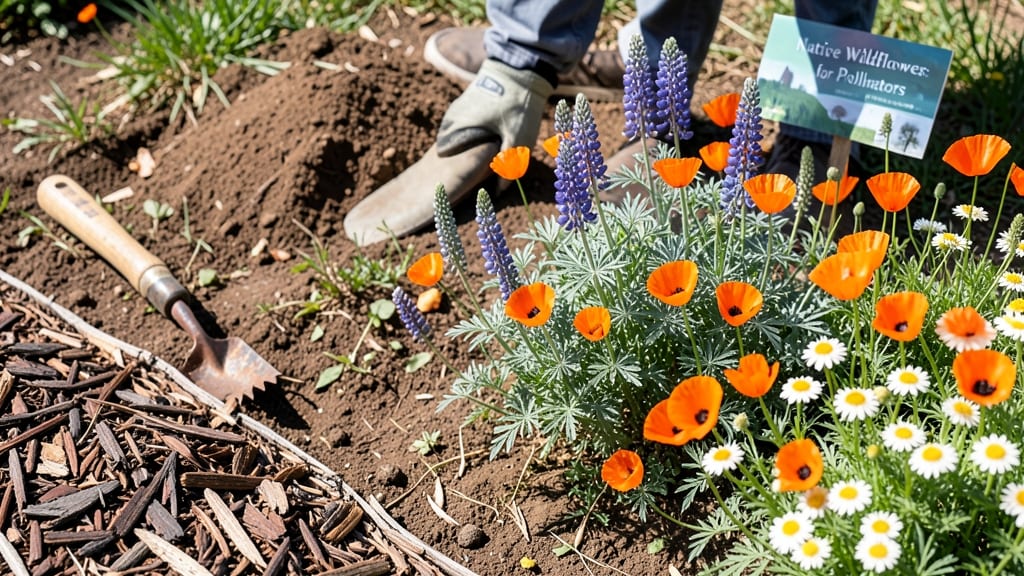
The Homeless Garden Project in Santa Cruz, CA, transforms lives by providing job training, fresh produce, and community support through urban farming, offering free meals and educational workshops for those experiencing homelessness or poverty.
The Homeless Garden Project in Santa Cruz, CA, is a groundbreaking initiative that combines sustainable agriculture with community empowerment. 🌱 This program doesn't just grow food—it creates pathways to employment through hands-on training in gardening, landscaping, and food systems.
Participants often gain the skills and confidence to secure stable jobs, breaking cycles of poverty. The project's free meal program and workshops also address immediate needs while fostering long-term self-sufficiency.
What sets this initiative apart is its holistic approach. Beyond providing fresh produce, it offers a supportive network where individuals can rebuild their lives. The project's volunteer opportunities and donation needs make it possible to expand its impact, ensuring more people in Santa Cruz can benefit from its life-changing programs.
💡 In This Article
- How Urban Farming Empowers Homeless Individuals in Santa Cruz
- Santa Cruz’s Homeless Garden Project: Programs, Volunteer Opportunities, and Donation Needs
How urban farming empowers homeless individuals in Santa Cruz
The Homeless Garden Project operates a 2.5-acre urban farm in Santa Cruz, where participants learn sustainable farming techniques while growing over 10,000 pounds of produce annually. This isn't just about growing food—it's a vocational training ground.
Participants master skills in organic gardening, irrigation systems, and food preservation, with many earning certifications in landscaping or horticulture. The program's hands-on approach ensures trainees leave with marketable skills, like designing rainwater catchment systems or maintaining composting operations.
What makes this model so effective is its focus on immediate impact and long-term sustainability. For example, the farm's 5,000-square-foot greenhouse produces year-round crops, teaching participants how to manage temperature-controlled environments—a skill directly transferable to commercial farming jobs.
The project also partners with local businesses to create paid internships, where graduates can apply their training in real-world settings. This dual approach of education and employment support has helped 60% of program participants secure stable jobs within six months of completion.
The physical transformation of the farm itself mirrors the personal transformations of participants. What began as a modest plot in 1985 has grown into a thriving ecosystem with 12 raised garden beds, a tool library, and a teaching kitchen.
The farm's design incorporates permaculture principles, using swales for water retention and companion planting to maximize yields. This hands-on education in sustainable practices gives participants both practical skills and a deeper understanding of food systems, empowering them to make healthier choices for themselves and their communities.
Beyond the tangible skills, the program fosters a sense of belonging and purpose. Many participants describe the farm as their first stable environment in years, where they can wake up knowing they'll contribute to something meaningful.
The communal nature of farming—planting, harvesting, and sharing meals—breaks down isolation. Studies show that social support systems like these can reduce recidivism rates by up to 40% by providing both structure and emotional connection. 💛
One standout program is the "Farm to Fork" initiative, where participants learn to prepare meals using the produce they've grown. This dual training in gardening and culinary skills creates a complete pathway to self-sufficiency.
The project's kitchen produces 300 free meals daily, while also teaching nutrition and food safety—critical knowledge for individuals rebuilding their lives. The combination of these elements creates a powerful cycle: healthier food leads to better health outcomes, which in turn improves mental clarity and employability.
What's particularly inspiring is how the program adapts to participants' needs. For those with barriers like substance use disorders, the project offers gradual reintegration through light gardening tasks before progressing to more complex roles. This tiered approach ensures no one feels overwhelmed while still providing clear pathways to advancement.
The result? A program that doesn't just meet people where they are—it helps them move forward, one seed at a time.