
Fertilization
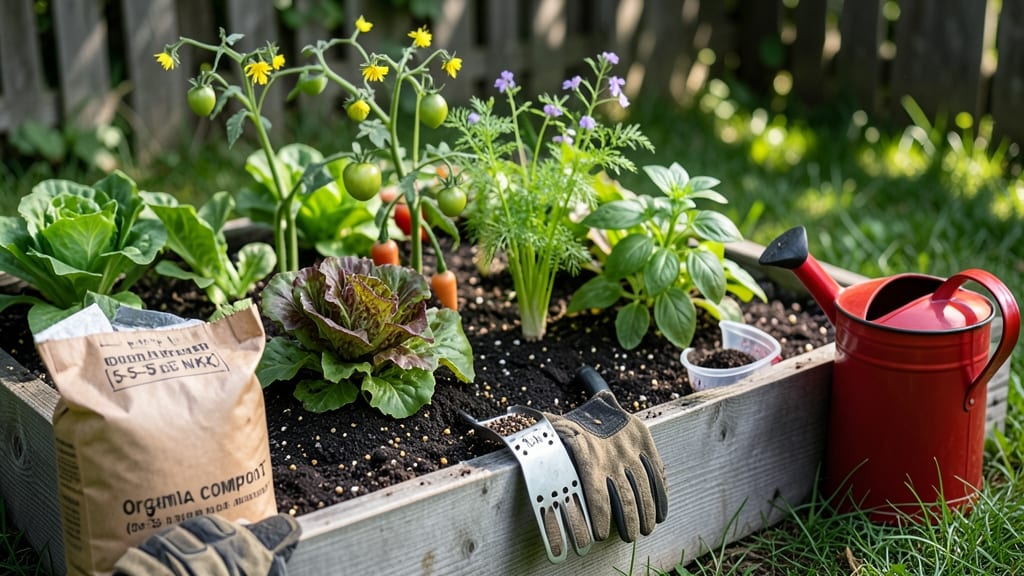
To determine how much fertilizer for garden, start with soil tests—lawns typically need 1 pound of nitrogen per 100 square feet annually, while vegetables require 0.5–1 pound per 100 sq ft based on NPK ratios (like 10-10-10). Always adjust for organic matter and plant type to avoid over- or under-feeding.
Figuring out the right amount of fertilizer for your garden isn't just about throwing numbers at the soil. 🌱 The key is understanding your plants' unique needs—vegetables often thrive on less nitrogen than lawns because they focus more on fruit and root production.
For example, leafy greens like spinach might need less nitrogen than grass, which prioritizes lush growth. I always recommend testing your soil first, as pH levels and existing nutrients can drastically change what your plants actually absorb.
Another critical factor is the type of fertilizer you use. Granular fertilizers release nutrients slowly over time, while liquid fertilizers provide an immediate boost but require more frequent applications. Seasonal timing matters too—spring is ideal for cool-season crops, while summer is better for warm-season plants.
Using the right tools, like a broadcast spreader for even distribution, can make all the difference in how effectively your plants utilize the nutrients.
💡 In This Article
- Soil Test Decoding: NPK Ratios Explained
- Step-by-Step Fertilizer Application Guide by Plant Type
Soil test decoding: NPK ratios explained
The three numbers on fertilizer bags—like 10-10-10—represent nitrogen (N), phosphorus (P), and potassium (K) percentages by weight. Nitrogen fuels leafy growth, phosphorus supports root development and flowering, while potassium strengthens disease resistance and overall plant vigor.
For vegetables, a balanced 10-10-10 ratio works well, but nitrogen-heavy fertilizers (like 30-0-5) are better for lawns where lush green growth is the priority. 🌱
Soil pH dramatically alters nutrient availability. For instance, nitrogen becomes less accessible to plants when soil pH drops below 6.0, while phosphorus binds tightly in alkaline soils (pH above 7.5).
Organic matter like compost also changes the equation—soils with 5% organic content can hold nutrients better than sandy soils with 1% organic matter. This is why soil tests reveal how much fertilizer your plants truly need rather than relying on generic recommendations.
Different plants have distinct NPK preferences. Flowers often thrive on phosphorus-rich fertilizers (like 5-10-5) to encourage blooming, while vegetables benefit from balanced ratios. Tomatoes, for example, need 0.5–1 pound of nitrogen per 100 sq ft but double that in phosphorus during fruiting stages.
The key is matching fertilizer ratios to your plants' growth phases—leafy greens need more nitrogen early, while fruiting plants prioritize phosphorus and potassium later in the season.
Over-fertilizing causes more harm than good. Excess nitrogen leads to weak stems and disease susceptibility, while too much phosphorus can damage roots. Potassium overload, though rare, can cause nutrient imbalances. The soil test reveals your garden's baseline nutrient levels, helping you calculate precise application rates.
For example, if your soil already has 200 ppm available phosphorus, you might skip phosphorus-heavy fertilizers entirely for that season.
Consider micronutrients too. While NPK gets the spotlight, elements like magnesium, calcium, and iron play critical roles in plant health. A soil test will show deficiencies in these areas, which can't be fixed by NPK fertilizers alone.
For instance, yellowing leaves might signal iron deficiency, requiring chelated iron supplements rather than more nitrogen. This layered approach ensures your garden gets the full spectrum of nutrients it needs.
Seasonal adjustments are equally important. Spring applications focus on nitrogen for early growth, while summer fertilizing shifts to potassium for stress resistance. Fall applications often prioritize phosphorus to strengthen roots before winter.
By aligning your fertilizer strategy with these seasonal needs—and the specific demands of your plants—you create a tailored plan that maximizes growth and minimizes waste. 💫