
Blooming
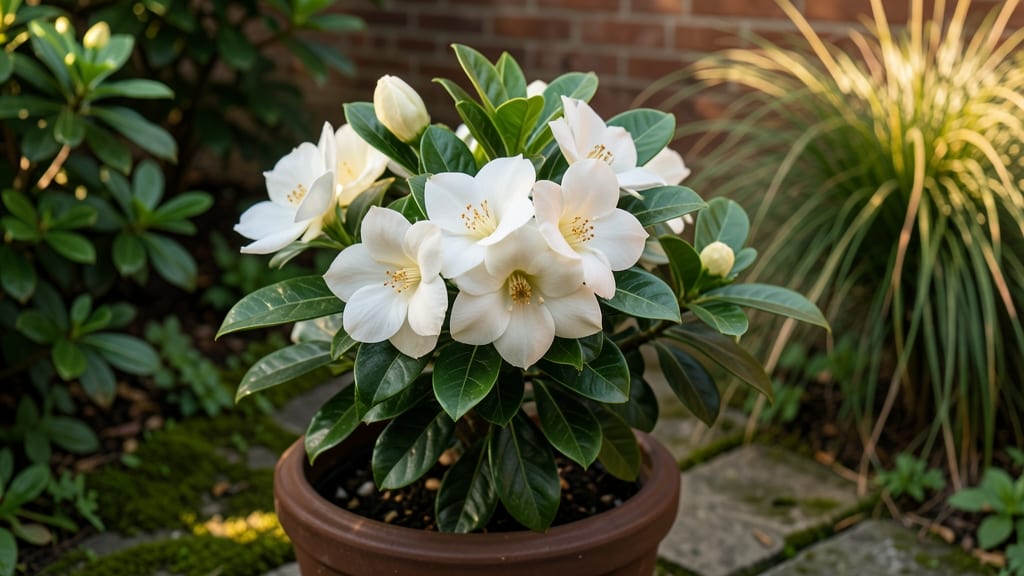
Gardenias bloom once per year in late spring or early summer, with fragrant white flowers lasting 4-6 weeks, but some varieties or well-maintained plants may rebloom occasionally with proper care.
Most gardenias follow a natural blooming rhythm tied to their tropical origins, where cooler winter months trigger bud formation for their spring display. 🌸 The key to encouraging more frequent blooms lies in mimicking these conditions—think bright, indirect light and consistent moisture without soggy roots.
I’ve seen gardeners extend the bloom season by up to 2 months through strategic pruning after the first flush and using a balanced fertilizer high in phosphorus during bud formation.
What’s fascinating is how root health directly impacts flower production. Healthy roots mean better nutrient uptake, which translates to more buds. That’s why I always check for yellowing leaves or mushy stems—these are red flags that your gardenia might be struggling to support blooms.
With the right conditions, some gardenia varieties like ‘Radicans’ or ‘Kleim’s Hardy’ can even produce a second, smaller flush in late summer.
💡 In This Article
- Factors Influencing Gardenia Bloom Frequency
- Tips to Encourage Gardenia Reblooming
Factors influencing gardenia bloom frequency
Gardenias bloom on a strict seasonal schedule because they're native to tropical and subtropical regions where distinct wet and dry seasons trigger their natural cycles.
The critical factor is temperature fluctuations—most varieties need a period of cooler weather (50-60°F) during winter to stimulate bud formation, followed by warmer spring temperatures to encourage blooming. This dormancy-like state isn't true dormancy but a metabolic slowdown that prepares the plant for its annual flower show. 🌿
The photoperiod (light exposure) plays a surprising role too. Gardenias thrive in bright, indirect light (6-8 hours of sunlight daily), but too much direct sun can stress the plant, reducing its energy for blooming.
I've noticed that gardenias in shadier spots often produce fewer flowers because they focus energy on leaf growth rather than flower buds. The ideal light mimics their natural understory habitat in tropical forests, where they receive dappled sunlight through canopy leaves.
Root health is the foundation of blooming success. Gardenias have sensitive root systems that require well-draining, slightly acidic soil (pH 5.0-6.5). Compacted or waterlogged roots can't absorb nutrients efficiently, leading to fewer blooms.
I always check for white, firm roots—anything brown or mushy signals root rot, which directly impacts flower production. Healthy roots mean better nutrient uptake, particularly phosphorus, which is crucial for bud development.
Another key factor is the plant's age and maturity. Young gardenias (under 3 years old) often bloom lightly as they establish their root systems. Mature plants typically produce more abundant blooms because they've built up sufficient energy reserves.
The variety also matters—some, like 'Radicans', are bred for multiple blooming cycles, while others focus on a single spectacular show. 🌸
Hormonal triggers come into play too. Gardenias produce florigen hormones in response to environmental cues like temperature shifts and daylight changes. These hormones signal the plant to transition from vegetative growth to reproductive (flowering) mode.
When conditions are ideal, this process creates a cascade effect that results in those iconic fragrant white blooms we all love.
Finally, stress from overwatering or underwatering can disrupt blooming cycles. Too much water leads to root suffocation, while too little causes the plant to conserve resources. The sweet spot is consistent moisture (water when top 1-2 inches of soil are dry), keeping the soil evenly damp but never soggy.
This balance ensures the plant has the energy to produce flowers rather than fighting for survival.