
How To
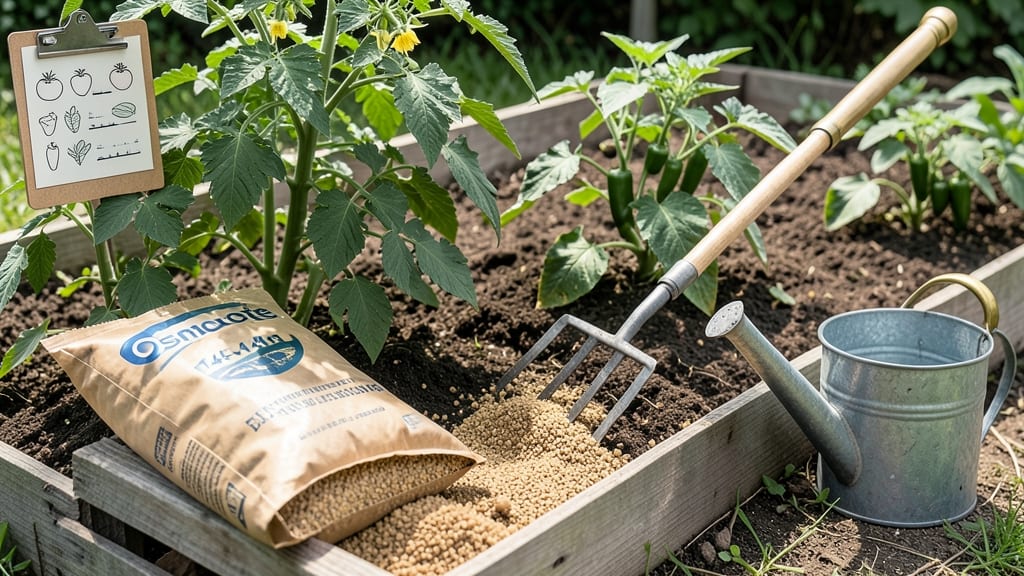
To fertilize a vegetable garden properly, you’ll need a schedule that matches your plants’ growth stages—leafy greens, fruiting crops, and root vegetables all have different needs, and overdoing it can burn roots faster than you think.
Wondering why your 🥬 garden isn’t producing like you expected? The answer might be hiding in your fertilization schedule—too much or too little can make all the difference. One season of trial and error taught me that a one-size-fits-all approach rarely works, especially when soil types and weather throw curveballs.
Here’s the game-changer: a seasonal plan that adjusts for spring’s nutrient boost, summer’s heat stress, and fall’s wind-down. We’ll break down exactly how often to feed your plants—whether you’re using compost, synthetic blends, or slow-release granules—so you never waste a dollar or risk stunted growth.
From tomatoes that beg for phosphorus to carrots that thrive on organic matter, you’ll learn the 3 key signs your garden is hungry (or overfed) and how to tweak your routine mid-season for maximum yield.

Optimal fertilization frequency by vegetable type and growth stage
Fertilizing your vegetable garden isn't a one-size-fits-all task—different plants have unique needs based on their growth habits and life cycles. Leafy greens thrive with frequent, light feedings, while root vegetables prefer minimal fertilization once established.
Understanding these differences ensures you're not wasting nutrients or stunting growth. Let's break down the best fertilization schedule for each category, from planting to harvest.
For leafy greens like lettuce and spinach, focus on nitrogen-rich fertilizers during their rapid growth phase. These plants benefit from weekly liquid feeds or every 2-3 weeks with granular fertilizers. The key is to avoid over-fertilizing, which can lead to excessive leaf growth at the expense of flavor.
Herbs like basil and parsley also fall into this category, needing consistent but light feeding to maintain their delicate growth patterns.
Root vegetables, including carrots, potatoes, and beets, require a different approach. These plants need minimal fertilization after planting—too much can cause forked roots or excessive foliage. Instead, apply a balanced fertilizer at planting and a light top-dressing mid-season if growth stalls. The goal is to encourage root development without overstimulating the tops.
Fruiting plants like tomatoes, peppers, and cucumbers are heavy feeders, especially during their flowering and fruiting stages. These plants need phosphorus-rich fertilizers every 3-4 weeks once they start producing flowers. A slow-release organic fertilizer or compost tea applied every 4-6 weeks keeps them thriving without the risk of nutrient burn.
Now, let's dive into a detailed breakdown of fertilization timing for each vegetable type, including pre-planting, early growth, and harvest phases. This summary-table will help you visualize the ideal schedule for your garden.
| Vegetable Type | Pre-Planting | Early Growth | Flowering/Fruiting | Harvest Phase | Notes |
|---|---|---|---|---|---|
| Leafy Greens (Lettuce, Spinach, Kale) | Balanced fertilizer (10-10-10) at planting | Light feed every 2-3 weeks (high nitrogen) | Reduce feeding; focus on harvest | None (stop fertilizing 2-3 weeks before harvest) | Avoid over-fertilizing for flavor |
| Root Vegetables (Carrots, Potatoes, Beets) | Balanced fertilizer at planting | Light top-dressing mid-season (optional) | None (focus on root growth) | None | Too much fertilizer causes forked roots |
| Fruiting Plants (Tomatoes, Peppers, Cucumbers) | Phosphorus-rich fertilizer (5-10-10) at planting | Feed every 3-4 weeks (high potassium) | Continue heavy feeding during fruiting | Light feed if harvest continues | Use slow-release fertilizers to avoid burn |
| Herbs (Basil, Parsley, Cilantro) | Balanced fertilizer at planting | Light feed every 3-4 weeks | Reduce feeding; focus on harvesting | None (stop fertilizing when harvesting) | Over-fertilizing causes bitter flavor |
Understanding the growth stages of your vegetables is crucial for timing fertilization correctly. For example, tomatoes need a phosphorus boost when they start flowering to encourage fruit set, while lettuce benefits from nitrogen early on to promote leafy growth.
Pay attention to the color and health of your plants—yellowing leaves can signal nitrogen deficiency, while crispy edges often mean over-fertilization.
For organic gardeners, compost tea or fish emulsion makes an excellent liquid fertilizer for leafy greens and herbs. Apply it every 2-3 weeks during the growing season, but always dilute it to half-strength to avoid burning delicate roots.
Synthetic fertilizers can be used sparingly, but organic options often provide a more balanced and sustainable approach.
One common mistake is fertilizing too late in the season. Avoid feeding plants 4-6 weeks before the first frost—this encourages tender new growth that won’t survive cold temperatures. Instead, focus on hardening off your plants and preparing them for winter.
For winter crops like kale or Brussels sprouts, a light feeding in early fall can help them thrive in cooler weather.
Monitor your plants closely and adjust your fertilization schedule as needed. If you notice stunted growth or yellowing leaves, it might be time for a light feeding.
Conversely, wilting or brown tips could mean you're overdoing it. The goal is to strike a balance—providing just enough nutrients to support healthy growth without overwhelming your plants.
By tailoring your fertilization approach to each vegetable type and growth stage, you'll maximize yields and ensure your garden thrives all season long. Start with the summary-table as your guide, and don't hesitate to experiment with organic amendments like compost or worm castings for even better results.
Seasonal fertilizer schedule: what to apply and when
Timing your vegetable garden’s fertilizer applications is like hitting a moving target—too early, and you waste nutrients; too late, and your plants miss critical growth spurts. The key is matching your fertilizer type to the seasonal needs of your crops.
For example, tomatoes and peppers crave phosphorus in early summer, while leafy greens benefit from nitrogen-rich feeds in spring. I’ve learned that even the best soil can become nutrient-depleted if you don’t adjust your approach every 3 months.
Organic fertilizers like compost or fish emulsion release nutrients slowly, making them ideal for spring’s root development phase. Synthetic blends, on the other hand, offer quick fixes for summer’s fruit production demands—but use them sparingly to avoid salt buildup in the soil.
The goal? Feed your garden just enough to fuel growth without overwhelming it. Let’s break down the month-by-month schedule that’s kept my yields consistent for years.
Apply balanced 10-10-10 or compost at planting. Leafy greens like spinach and kale need nitrogen; root crops (carrots) benefit from phosphorus.
Switch to 5-10-10 (high phosphorus) for fruiting plants like tomatoes and peppers. Apply every 4 weeks. Avoid synthetic fertilizers if soil is still cool.
Light feed with fish emulsion or kelp meal every 6 weeks. Watch for leaf burn—a sign of over-fertilization. Mulch heavily to retain moisture and nutrients.
Skip synthetic fertilizers. Add compost or aged manure to replenish soil for next year. Stop feeding 6 weeks before first frost to harden off plants.
Summer is the most critical time to monitor your garden’s nutrient response. If your tomato leaves yellow between veins, it’s a classic sign of iron deficiency—often caused by over-fertilizing with nitrogen. Conversely, stunted growth or purple stems in peppers mean phosphorus is lacking.
My trick? Keep a soil test kit handy to check pH and nutrient levels mid-season. Adjust your feed schedule based on what the soil (and plants) are telling you.
For organic gardeners, prioritize slow-release fertilizers like worm castings or bone meal. These mimic natural nutrient cycles and reduce the risk of burning roots. Synthetic options like granular 10-10-10 are fine for quick fixes, but always water them in thoroughly to prevent salt buildup.
Pro tip: Split your fertilizer applications into smaller doses every 2 weeks rather than one big feed—this keeps roots happy and growth steady.
Fall is all about preparation, not production. Once temperatures drop below 50°F, most vegetables slow their growth. This is the perfect time to amend your soil with compost or cover crops like clover.
Avoid late-season fertilizers—they encourage tender new growth that won’t survive frost. Instead, focus on mulching to protect roots and lock in nutrients for spring.
Remember, every garden is unique. Factors like soil type, rainfall, and even your microclimate will dictate tweaks to this schedule. Start with these guidelines, observe your plants’ responses, and adjust accordingly. With practice, you’ll develop a custom fertilization rhythm that maximizes yields without wasting a single nutrient.