
Watering
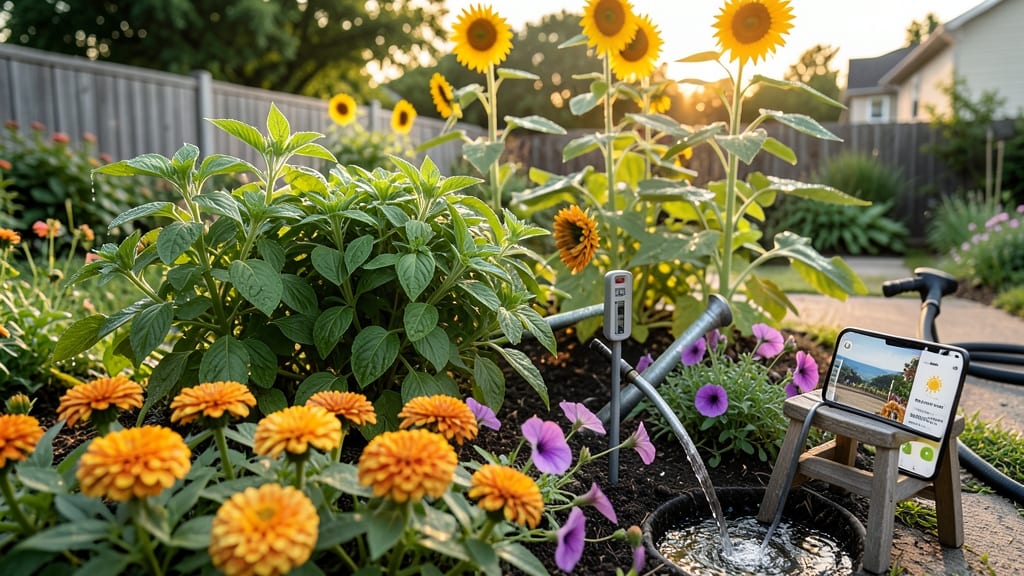
Watering your garden in summer 2-3 times a week is the rule—but only if you’re doing it right, because even the best intentions can backfire when roots drown or wilt under the wrong schedule.
Picture this: You’ve just spent hours prepping your 🌱 garden plants for summer, only to watch them wilt by midday or invite pests because the soil stayed too damp.
The fix isn’t just how much you water—it’s when and how you do it, down to the time of day and soil type.
In this guide, I’ll break down the science behind summer watering, including the best times to water (morning vs. evening), how to adjust for heatwaves, and the telltale signs your plants are thirsty—or drowning.
By the end, you’ll know exactly how to keep your garden thriving without wasting a drop, no matter what zone 6a throws at you.
Optimal watering frequency by plant type: summer watering schedule guide
Summer watering isn’t one-size-fits-all—your tomatoes and lavender might both need hydration, but their schedules couldn’t be more different. The key is understanding root depth, soil type, and plant maturity.
Sandy soil drains fast, while clay holds moisture longer, meaning your annuals might need daily watering in one spot and only twice a week in another.
Start with the deep-watering method: soak the soil until it’s moist 6 inches down—this encourages roots to grow deeper, making plants more drought-resistant. Most gardens need 1-2 inches of water weekly, but adjust based on heatwaves or rainfall.
A simple trick? Stick a screwdriver in the soil—if it slides in easily, water more; if it resists, you’re good.
Soil type dictates everything. Sandy soil acts like a sieve—water disappears in hours, so you’ll water more frequently but less deeply. Clay soil, on the other hand, clings to moisture like a sponge, so you’ll water less often but need to soak thoroughly. Even container plants play by different rules—they dry out faster, often needing water every 2-3 days in summer heat.
For vegetables like tomatoes and peppers, deep watering is non-negotiable. These plants develop shallow roots if they don’t get enough moisture, leading to blossom-end rot in tomatoes. Water at the base of the plant, not the leaves, to prevent fungal diseases like powdery mildew.
A drip irrigation system is ideal—it delivers water slowly and directly to the roots where it’s needed most.
If you’re growing perennials, like lavender or coneflowers, they’re far more forgiving once established. These plants thrive on infrequent, deep watering—think every 5-7 days in clay soil and every 3-4 days in
Morning vs. evening watering: which schedule preserves root health?
Choosing between morning and evening watering isn’t just about convenience—it directly impacts your 🌱 garden plants' root health and overall vitality. Morning watering lets foliage dry quickly, reducing fungal risks, while evening sessions can leave plants vulnerable to nighttime pests. But which method wins in Zone 6a’s summer heat?
In humid climates, evening watering can trap moisture on leaves, creating perfect conditions for powdery mildew and other fungal diseases. Meanwhile, arid regions benefit from evening watering because it reduces evaporation rates overnight, letting roots absorb moisture longer. The key is understanding your local climate and plant sensitivity.
For most summer garden plants, morning watering (before 10 AM) is ideal. It allows foliage to dry completely by evening, minimizing disease risk while giving roots a full day to absorb water. This schedule also helps prevent water stress during peak afternoon heat.
Morning Watering
Evening Watering
- Reduces fungal diseases
- Allows foliage to dry
- Prevents pest attraction
- Higher evaporation in heat
- Less efficient in dry climates
- Reduces evaporation loss
- Cools plants overnight
- Better for arid regions
- Increases fungal risk
- Attracts pests
- Can cause root rot
If you live in a humid climate, stick to morning watering and apply 1-2 inches of water per week—adjusting for rainfall. For drought-prone areas, consider evening watering but pair it with mulch to retain moisture and prevent soil crusting.
Sensitive plants like tomatoes and peppers thrive with morning watering, while drought-tolerant succulents and lavender prefer evening sessions. Always water at the base of plants to avoid wetting leaves, regardless of time.
Pro tip: Use a soil moisture sensor to track when roots need hydration. This helps you fine-tune your schedule based on real-time data rather than guesswork. Consistency is key—stick to your chosen time daily for best results.