
Size
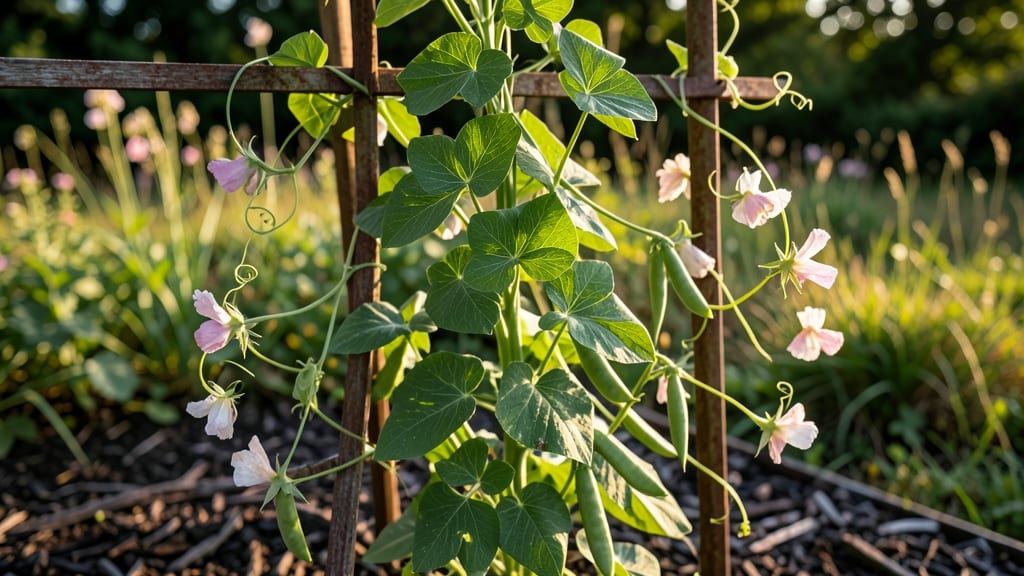
Garden peas grow anywhere from 1 to 6 feet tall, depending on the variety you choose—so picking the right one can make or break your harvest.
Wondering if your garden has enough vertical space for peas? The height of garden peas can vary dramatically by variety—from compact bush types to towering vines that need sturdy trellises—so choosing the right one is key to maximizing your harvest.
Dwarf varieties like 'Little Marvel' stay under 3 feet, perfect for small gardens or containers, while climbing types like 'Telephone' can reach 8 feet or more if given the right support. This means your trellis planning should start before you even plant.
In this guide, you'll learn how to match pea height to your garden layout, the best trellis options for different varieties, and 5 proven tips to help your peas grow taller and stronger—no matter how much space you have.

Garden pea height by variety: from dwarf to towering vines
When planning your garden, the height of garden peas can make or break your layout. Some varieties stay compact, perfect for small spaces, while others reach skyward, requiring sturdy trellis support. Knowing these differences helps you choose varieties that fit your garden's vertical potential and maximize your harvest.
Peas are broadly categorized into three types: bush peas (compact), semi-bush peas (moderate), and climbing peas (tall). Bush peas rarely exceed 2 feet, while climbing varieties like 'Telephone' can soar to 8 feet or more—transforming your garden into a green vertical wonderland.
Here’s a quick reference to help you visualize how these varieties compare in height and their ideal growing conditions:
The height of garden peas isn’t just about aesthetics—it directly impacts your harvest potential. Tall varieties like 'Telephone' produce more pods when given vertical space, while bush peas like 'Little Marvel' thrive in confined areas without needing extra support.
For example, a 6-foot trellis can accommodate both 'Alderman' (climbing) and 'Sugar Sprint' (semi-bush) in the same garden, doubling your vertical growing capacity.
If you’re working with limited horizontal space, consider dwarf varieties like 'Sugar Ann' or 'Tom Thumb'. These stay under 2.5 feet and can even grow in containers, making them ideal for patios or balconies.
Their compact size also reduces the risk of wind damage or pest pressure compared to towering vines.
For climbing peas, invest in a sturdy trellis system—think metal cages, wooden teepees, or strong string supports. Varieties like 'Telephone' can reach 8 feet if given proper support, but without it, their vines sprawl, reducing air circulation and increasing disease risk.
I’ve seen 'Telephone' peas climb to my roof overhang, creating a stunning vertical display while producing abundant pods.
Another factor to consider is your garden’s sunlight exposure. Tall peas need full sun (6+ hours daily) to reach their full height, while bush varieties tolerate partial shade better. If your garden is shady, opt for dwarf or semi-bush types to avoid stunted growth.
I once grew 'Little Marvel' in partial shade and was surprised by how well it thrived—just 2 feet tall but packed with flavorful pods.
Pro tip: Mix bush and climbing varieties in the same garden for a layered look. Plant bush peas at the front for quick harvests, then add climbing types in the back with trellises.
This not only saves space but also extends your harvest season, as bush peas often mature faster than their taller counterparts.
When selecting seeds, always check the variety description for height ranges. Some seed packets even include trellis recommendations, which can save you time and frustration later. For instance, 'Green Arrow' is labeled as needing 5-foot support, while 'Sugar Ann' specifies "optional trellis."
Paying attention to these details ensures your peas grow to their full potential without overcrowding your space.
Finally, remember that soil quality and care play a role in height. Well-draining, nutrient-rich soil helps peas reach their maximum height, while poor soil can stunt growth. Amend your soil with compost before planting, and consider a balanced fertilizer (like 5-10-10) to encourage strong vine development.
With the right variety and care, your peas will grow to heights that surprise—and delight—you.
How pea height affects trellis planning and garden layout
Selecting the right trellis type for your peas starts with understanding their mature height range. Tall varieties like 'Telephone' peas can reach 8+ feet, while bush types like 'Little Marvel' stay under 3 feet. This height difference dramatically impacts your garden's vertical space planning and trellis selection.
For climbing varieties, you'll need sturdy support structures like teepee trellises or tall cages to prevent vines from sprawling. Meanwhile, bush peas thrive without trellises but benefit from low cages to keep pods off the ground. Let's explore how to match your pea height to the perfect trellis solution.
🌱
| Pea Type | Mature Height | Best Trellis | Spacing | Garden Use |
|---|---|---|---|---|
| Bush Peas | 1-2 ft | Low cage (1-2 ft) | 3-4" apart | Small gardens, containers |
| Semi-Dwarf | 2-4 ft | Teepee (4-5 ft) | 6-8" apart | Raised beds, small plots |
| Climbing | 4-6 ft | String trellis (6+ ft) | 8-12" apart | Vertical gardens, fences |
| Tall Varieties | 6-8+ ft | Heavy-duty cage | 12-18" apart | Large plots, pergolas |
When planning your garden layout, consider how tall your peas will grow. Bush peas are ideal for small gardens or containers, while climbing varieties excel in vertical gardens. For example, a 6-foot trellis can support 'Sugar Ann' peas, freeing up ground space for other crops.
In container gardening, opt for dwarf varieties like 'Tom Thumb' (1-2 ft) paired with mini trellises. This approach maximizes your vertical space while keeping peas accessible. Always ensure your trellis is 1-2 feet taller than your tallest pea variety to accommodate full growth.
For small-space gardens, combine bush and climbing peas in layers. Plant bush peas at the front and climbing varieties behind them on a trellis. This creates a living vertical display while optimizing your garden's footprint. Remember to rotate trellises annually to prevent soil-borne diseases.
Proper spacing between plants is crucial—climbing peas need 8-12 inches apart, while bush peas can be planted 3-4 inches apart. This ensures adequate airflow and prevents overcrowding, which can stunt growth and increase disease risk. 🌿