
How To
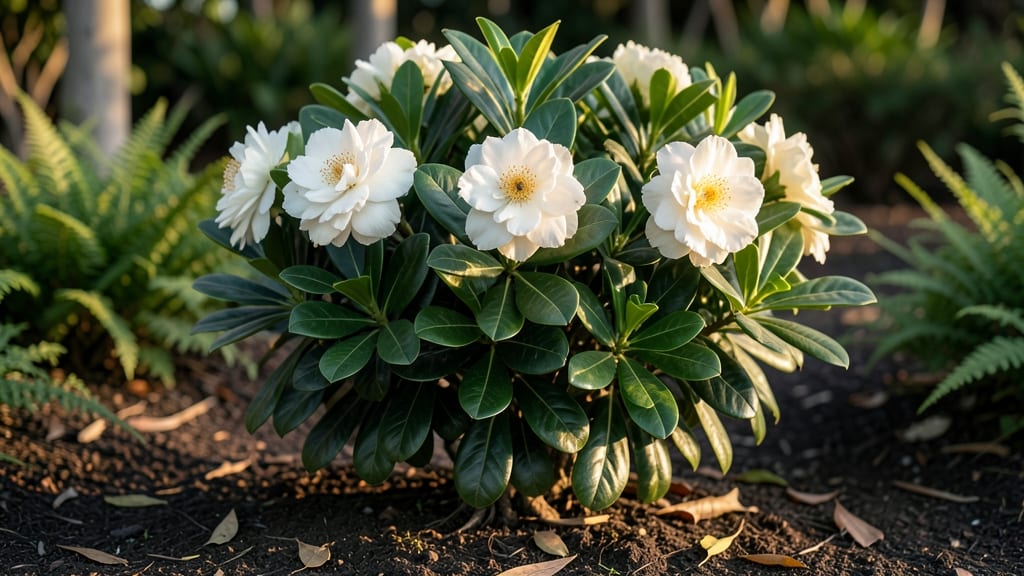
A gardenia tree grows to how tall does a gardenia tree grow between 6 and 15 feet, depending on the variety and growing conditions — but choosing the right size for your space starts with knowing what to expect.
Picture this: a 🌸 gardenia tree soaring over your patio, its intoxicating blooms drawing bees and butterflies while casting dappled shade. But if your yard is small, that same plant could end up crowding your deck.
The height difference between dwarf and standard varieties isn’t just inches—it’s a whole different landscape.
Some gardenias stay under 3 feet, perfect for containers or small gardens, while others stretch toward 15 feet in ideal conditions. The key? Variety selection, pruning, and understanding how climate affects growth rates.
Below, I’ll break down the exact heights by type, how fast they grow, and the simple tricks to keep them in check—whether you want a fragrant hedge or a towering centerpiece.
You’ll also discover how to spot a slow-growing vs. fast-growing gardenia, when to prune for shape (not just size), and which varieties thrive in tight spaces. Let’s get growing!

Gardenia tree height by variety: from dwarf to giant sizes
Choosing a gardenia variety isn't just about fragrance—it's about space planning. Some varieties stay compact enough for container gardening, while others grow into small trees that need yard space.
The Gardenia jasminoides, the most common type, typically ranges from 6 to 15 feet at maturity, but there are dwarf varieties that stay under 3 feet. Understanding these differences helps you pick the perfect plant for your patio, garden bed, or even as a fragrant hedge.
Gardenias grow at different rates based on variety, climate, and care. In ideal conditions—acidic soil, partial shade, and consistent moisture—they can grow 1 to 2 feet per year during their first few years. However, their mature height is largely determined by genetics.
For example, Gardenia augusta often stays shorter, while Gardenia radicans can climb and spread, reaching heights of 10 to 15 feet if left unpruned. Let’s break down the most popular varieties and their expected mature heights.
If you're working with limited space, the 'Kleim's Hardy' variety is a game-changer. This dwarf gardenia tops out at just 3 to 5 feet and thrives in 15-gallon containers, making it perfect for balconies or small courtyards.
Its double white blooms and intoxicating scent are just as fragrant as larger varieties, proving that size doesn’t limit beauty. For urban gardeners or those with rental properties, this is the ideal choice.
On the other end of the spectrum, Gardenia radicans is a climbing variety that can reach 10 to 15 feet if given a trellis or sturdy fence to climb.
This makes it a stunning vertical garden option for larger yards or even perennial gardens where you want to add height and texture. Its long, arching branches create a dramatic backdrop for other plants, while its semi-evergreen foliage adds year-round interest.
For those who love structured hedges or privacy screens, Gardenia augusta is a fantastic mid-sized option. It grows 4 to 8 feet tall with a dense, bushy habit, making it easy to shape with regular pruning.
This variety is also more drought-tolerant than others, which can be a plus if you're in a drier climate like USDA Zone 8 or higher. Pair it with boxwoods or camellias for a cohesive, fragrant landscape.
If you're planting a gardenia as a specimen plant or focal point, 'Veitchii' and 'Fortuniana' are excellent choices. Both varieties grow 8 to 12 feet tall with a pyramidal or rounded shape, respectively.
These gardenias produce large, highly fragrant blooms that draw attention and fill the air with their jasmine-like scent. They’re perfect for backyard gardens where you want to make a statement without overwhelming the space.
One common mistake is assuming all gardenias grow into large trees. In reality, many stay shrub-sized unless given the right conditions to grow taller. Factors like pruning habits, soil acidity, and watering consistency can influence height.
For example, over-pruning can stunt growth, while under-pruning may encourage a taller, leggier plant. Always aim for balanced pruning—removing only dead or overcrowded branches—to maintain the plant’s natural shape and encourage healthy blooming.
For container gardening, choose dwarf varieties and use large pots with drainage holes. Gardenias in containers dry out faster, so water deeply every 2–3 days during hot weather. Add a 2-inch layer of mulch to retain moisture and keep roots cool.
If you're growing a taller variety in a pot, consider dwarfing rootstock or regular pruning to control height—though this may reduce bloom size slightly.
No matter which variety you choose, remember
How fast do gardenia trees grow? Pruning and height control tips
Gardenia trees grow at a moderate pace, typically adding 12 to 24 inches per year under ideal conditions. In their first year, expect just 1-2 feet of growth, while mature trees can reach their full height of 6-15 feet within 3-5 years.
The speed depends on factors like sunlight, soil acidity, and watering consistency—all of which I’ll cover to help you predict your gardenia’s trajectory.
Seasonal growth isn’t steady: most of the height gain happens in spring and summer, when temperatures are warm and days are long. Cool weather slows growth almost to a halt, which is why gardenias planted in USDA Zones 7-10 thrive best—they get enough heat to fuel steady expansion.
If you’re in a cooler zone, growth may be slower, and your gardenia might stay smaller unless you provide extra care.
Now, let’s talk pruning—the secret weapon for controlling height and shaping your gardenia. Pruning isn’t just about cutting back overgrowth; it’s about guiding the plant’s energy where you want it.
For example, if you trim the top third of new growth in early spring, you’ll encourage bushier growth and slower vertical expansion. This technique is especially useful for standard varieties that can otherwise shoot up to 12 feet.
🌱 Key Growth and Pruning Facts
- 1. First Year: Expect 1-2 ft growth—focus on establishing roots with deep watering and acidic soil.
- 2. Annual Growth: 12-24 inches/year in ideal conditions; slower in cooler climates or containers.
- 3. Pruning Window: Trim right after blooming (late spring/early summer) to avoid cutting off next year’s flowers.
- 4. Height Control: Cut 1/3 of new growth to encourage bushiness; avoid heavy pruning in fall or winter.
- 5. Dwarf Varieties: Grow 3-5 ft tall and need minimal pruning—just shape as needed.
- 6. Standard Varieties: Can reach 10-15 ft; prune annually to maintain desired height.
One common mistake gardeners make is pruning at the wrong time. If you cut back gardenias in late summer or fall, you’ll stunt next year’s blooms because the plant needs time to set flower buds.
Instead, wait until just after flowering—this gives your gardenia time to recover before winter. For shape pruning, use clean, sharp shears to make cuts at a 45-degree angle just above a leaf node.
For container-grown gardenias, height control is even more critical since space is limited. Root-bound plants grow slower, so repot every 2-3 years into a slightly larger container to encourage upward growth.
If your potted gardenia is getting too tall, prune the topmost branches to redirect energy toward lateral growth. This creates a fuller, more compact plant perfect for patios or balconies.
Don’t forget that light exposure plays a huge role in growth speed. Gardenias in full sun (6+ hours/day) grow faster but may need more frequent pruning to manage height. In partial shade, growth slows naturally, and the plant may stay shorter—ideal for small gardens.
If you notice yellowing leaves or fewer blooms, it’s a sign your gardenia isn’t getting enough light or nutrients.
With the right approach, you can keep your gardenia at your desired height—whether that’s a 3-foot dwarf for a container or a 12-foot specimen as a backyard focal point. The key is consistent pruning, seasonal timing, and attention to soil and light.
Start with these tips, and your gardenia will grow exactly how you want it—no surprises! 🌿