
Pests
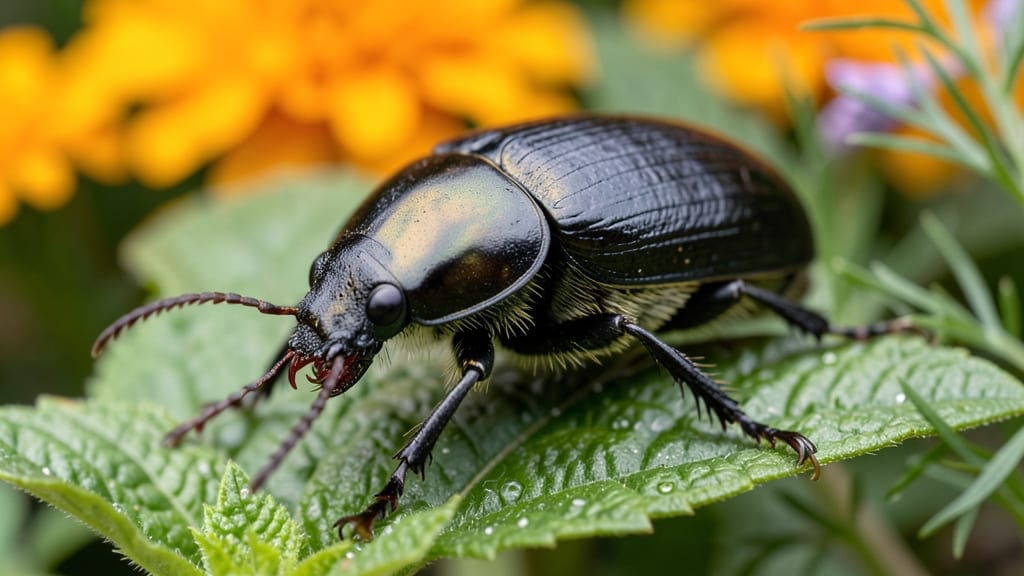
Keeping insects away from your garden doesn’t require harsh chemicals—it just takes the right strategies to create a naturally pest-resistant space 🌱.
Picture this: you’ve just planted your favorite tomatoes, only to wake up the next morning and find them chewed to a pulp. Frustrating, right? The good news is that nature offers simple, chemical-free solutions to keep pests at bay while keeping your garden thriving.
From companion planting with repellent plants like marigolds and basil to using homemade sprays with kitchen staples, there are plenty of ways to protect your garden without harming the environment. These methods not only deter insects but also support a healthier ecosystem.
In this guide, I’ll walk you through the most effective natural barriers, DIY repellent sprays, and long-term garden design tips to keep your plants safe and flourishing all season long.
Top 7 natural barriers to repel insects from your garden
When it comes to keeping insects away from your garden, the key is understanding how pests interact with plants and using nature’s defenses 🌿. Many gardeners reach for chemical sprays first, but there are effective, chemical-free alternatives that work just as well—if not better.
These methods not only deter pests but also create a healthier garden ecosystem by supporting beneficial insects and microbes.
Science shows that insects like aphids, beetles, and slugs are repelled by strong scents, physical barriers, and even specific plant companions. By implementing these natural pest control strategies, you can protect your vegetables, flowers, and herbs without harming pollinators or the soil.
The best part? These solutions are easy to set up and often require minimal maintenance once established.
Here are 7 proven natural barriers that work wonders in keeping insects at bay while nurturing your garden’s health:
Plant marigolds, basil, or garlic near vulnerable crops like tomatoes and peppers. These plants release scents that confuse and repel pests like aphids and mosquitoes.
Use lightweight fabric row covers to block flying insects while allowing sunlight and water to reach plants. Ideal for cabbage moths and carrot flies.
Dilute neem oil with water and spray on leaves to deter aphids, whiteflies, and mites. It disrupts their life cycles without harming plants.
Sprinkle food-grade diatomaceous earth around plant bases to dehydrate and kill slugs, ants, and beetles. Reapply after rain.
Blend hot peppers with water and strain to create a spray that repels caterpillars and beetles. The capsaicin irritates their mouthparts.
Introduce predatory insects like ladybugs or lacewings to your garden. They feast on aphids and pest eggs while leaving your plants unharmed.
Wrap copper tape around raised beds or containers. The electric charge from the metal repels slugs and snails without chemicals.
Each of these methods targets specific pests while promoting a balanced garden ecosystem. For example, companion planting with marigolds not only deters nematodes but also attracts pollinators like bees. Meanwhile, neem oil and chili sprays provide immediate relief for existing infestations without harming beneficial insects.
To maximize effectiveness, combine multiple strategies. For instance, plant basil around tomatoes to repel flies, then spray with neem oil if you spot early signs of aphids. Over time, your garden will become a self-sustaining pest-free zone that thrives on natural defenses 🌱.
Start with one or two methods this season, then expand as you observe which pests are most active in your area. The goal is to create a harmonious garden where plants and beneficial insects coexist, keeping harmful pests in check naturally.
How to create a homemade insect-repellent spray using common kitchen ingredients
When aphids, beetles, or other pests invade your garden, reaching for chemical sprays can harm beneficial insects and the soil ecosystem. Instead, I rely on homemade insect-repellent sprays made from kitchen staples that are just as effective—if not more so.
These sprays use ingredients like garlic, chili peppers, and neem oil to create potent, non-toxic solutions that deter pests without disrupting your garden’s balance.
What I love about these sprays is their versatility. You can customize them based on the pests you’re dealing with—whether it’s soft-bodied insects like aphids or chewing pests like cabbage worms.
Plus, they’re cost-effective and easy to make with ingredients you likely already have at home. Let’s dive into my go-to recipes and how to use them safely.
Before mixing anything, remember that even natural sprays can be potent. Always test on a small plant area first to ensure your plants tolerate the ingredients. And never apply sprays under direct sunlight, as this can cause leaf burn.
⚠️⚠️ Safety First: Key Precautions for Homemade Sprays
- Dilute properly: Undiluted oils or extracts can harm plants. Always follow specific ratios (e.g., 1 tbsp oil per quart of water).
- Avoid windy days: Sprays can drift and harm beneficial insects like bees. Apply on calm mornings when bees are less active.
- Reapply after rain: Water washes away sprays. Retreat every 7-10 days or after heavy rainfall.
- Store correctly: Keep sprays in a dark glass bottle in the fridge for up to 1 week to preserve potency.
🌱 Pro Tip: Shake well before each use—ingredients like neem oil separate over time.
The first spray I turn to is my garlic-chili pepper spray, which works wonders against aphids, beetles, and even mosquitoes. To make it, blend 4 cloves of garlic and 1-2 chili peppers (like jalapeños or serranos) with 1 quart of water.
Let the mixture steep overnight, then strain and add 1 teaspoon of dish soap as a surfactant. This helps the spray stick to plant surfaces. Use a spray bottle to apply it directly to affected areas.
For soft-bodied insects like mites and aphids, I swear by a neem oil spray. Mix 1 tablespoon of cold-pressed neem oil with 1 teaspoon of mild liquid soap and 1 quart of water.
Neem oil disrupts the life cycle of pests while being safe for most plants. Just be sure to avoid spraying flowering plants when bees are active, as neem can be harmful to them.
If you’re dealing with slugs or snails, a copper penny spray is surprisingly effective. Soak 10-15 copper pennies (pre-1982) in 1 quart of water for 24 hours. The copper ions create a barrier that repels these pests.
Strain the pennies and spray the solution around the base of plants or along garden edges. It’s a great preventive measure for slug-prone gardens.
To maximize effectiveness, I recommend rotating sprays every few weeks. Pests can build up resistance, so alternating between garlic-chili, neem, and copper sprays keeps them guessing.
Plus, it gives your plants a break from any single ingredient. Always store sprays in a cool, dark place and label them clearly to avoid confusion.
With these homemade sprays, you’ll have a chemical-free arsenal to protect your garden all season long. The best part? You’re not just keeping pests away—you’re fostering a healthier, more balanced ecosystem.
Give one of these recipes a try this week, and watch your plants thrive without the need for harsh chemicals! 🌿