
Fertilization
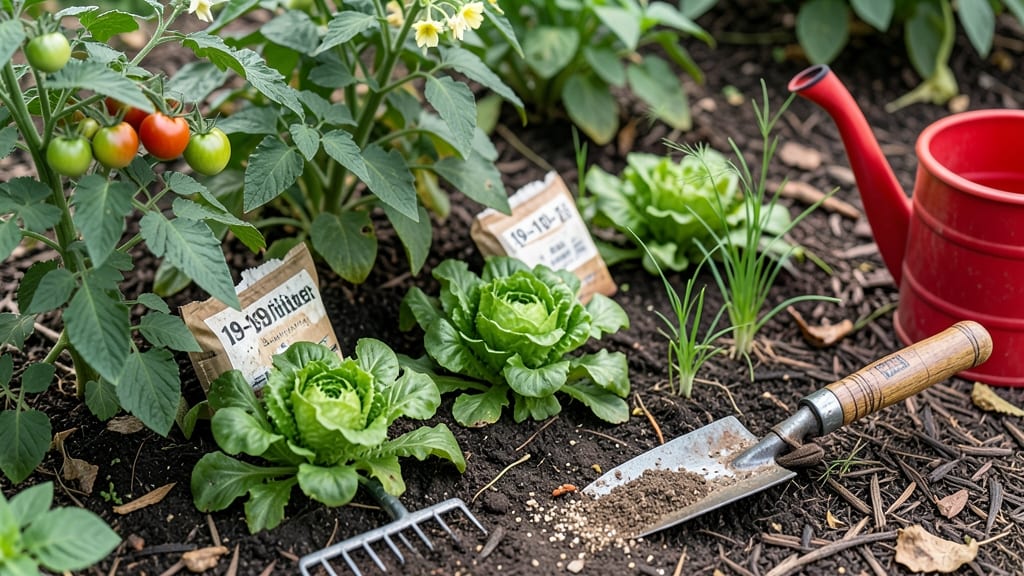
19-19-19 fertilizer can be good for vegetable gardens when used correctly, as its balanced NPK ratio supports steady growth, but may lack micronutrients and require soil testing to avoid over-fertilization or nutrient imbalances.
Using 19-19-19 fertilizer in vegetable gardens works best when your plants need consistent, all-around nutrition. 🌱 This balanced ratio (equal parts nitrogen, phosphorus, and potassium) helps leafy greens and fruiting plants grow steadily, but it won’t replace targeted fertilizers for specific needs like phosphorus-heavy root crops.
The key is testing your soil first—this fertilizer can actually harm plants if overused, especially in nutrient-rich soils. For best results, pair it with compost or a micronutrient supplement to fill gaps.
For example, tomatoes and peppers thrive with 19-19-19 during early growth but may need extra phosphorus later. Always follow package rates—too much can burn roots—and consider organic options like fish emulsion for a gentler approach. The right balance makes all the difference!
💡 In This Article
- Understanding 19-19-19 NPK Ratio for Vegetable Growth
- Best Practices for Using 19-19-19 in Vegetable Gardens
Understanding 19-19-19 NPK ratio for vegetable growth
The 19-19-19 ratio means each component—nitrogen (N), phosphorus (P), and potassium (K)—is present at 19% by weight. This balance is ideal for general plant growth because nitrogen fuels leafy development, phosphorus strengthens roots, and potassium regulates water and nutrient uptake.
For leafy greens like spinach or kale, the nitrogen focus promotes rapid foliage growth, while fruiting plants like tomatoes benefit from the phosphorus boost during flowering. 🌱
Nitrogen works by promoting chlorophyll production, which is why you’ll see lush green leaves when plants get enough. Phosphorus, however, is critical for energy transfer within cells, especially during flowering and fruiting stages. Potassium acts like a quality control system, helping plants resist stress and disease.
The 19-19-19 ratio ensures none of these three nutrients becomes a limiting factor, unlike specialized fertilizers like 5-10-10 (high in phosphorus for root crops) or 30-0-0 (nitrogen-heavy for lawns).
For example, a tomato plant in its early stages needs nitrogen for leaf growth, but as it flowers, phosphorus becomes more critical. The balanced 19-19-19 ratio provides both without forcing you to switch fertilizers mid-season.
However, this balance means it won’t excel in extreme cases—like phosphorus-deficient soil for carrots—where a targeted fertilizer would be better. 🌿
What sets 19-19-19 apart is its versatility. Unlike granular fertilizers with skewed ratios, this one is designed for steady, all-around nutrition. The downside? It lacks micronutrients like calcium, magnesium, or iron, which are essential for long-term plant health.
Think of it as a well-rounded multivitamin—great for general health but not a replacement for specialized supplements.
To put it into perspective, compare it to a 10-20-20 fertilizer, which is better for fruiting plants but may overfeed nitrogen to leafy greens. The 19-19-19 ratio is like a goldilocks zone—not too much of any single nutrient, but enough to keep most vegetables thriving.
The catch? It’s only as good as your soil’s starting point. If your garden is already phosphorus-rich, this fertilizer could cause imbalances. 🔍
For best results, pair 19-19-19 with a soil test to check existing nutrient levels. This ensures you’re not overdoing it with phosphorus or potassium, which can leach into groundwater or harm beneficial microbes. The science is clear: balance is key, and 19-19-19 delivers that—with a few caveats.