
Landscaping
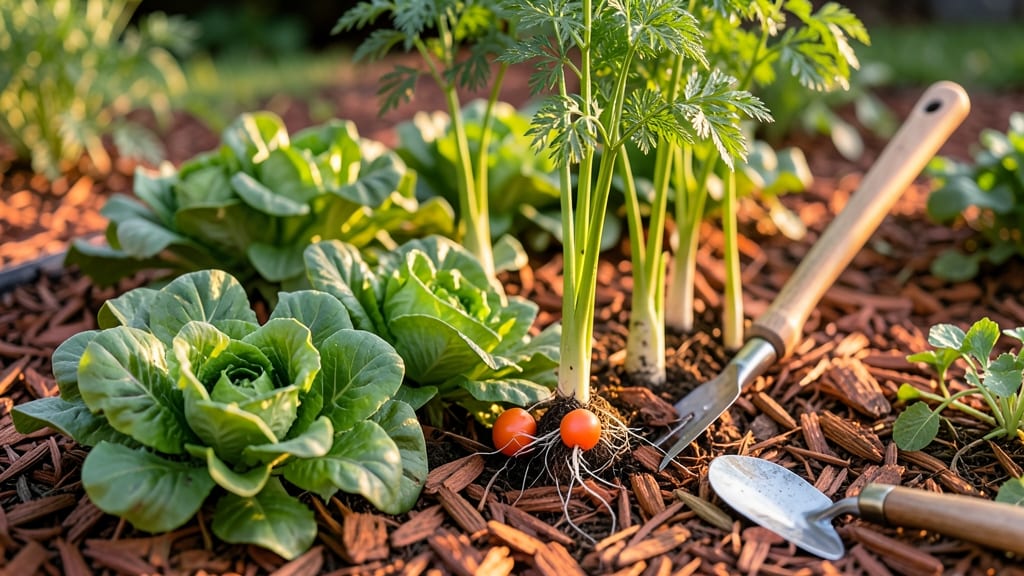
Cedar mulch can be good for vegetable gardens as it repels pests like deer and rodents, retains moisture, and improves soil health over time, but its natural oils may inhibit seed germination and harm sensitive plants like brassicas or beans.
Cedar mulch shines in vegetable gardens by acting as a natural pest deterrent—its strong scent keeps critters like rabbits and squirrels away from your crops. 🌿 The aromatic oils also help lock in soil moisture, reducing watering needs during dry spells.
However, those same oils (like thujone) can slow down seed sprouting and stunt growth in plants like lettuce or peas, so it's best used sparingly or only around garden edges.
For most edible plants, I recommend alternatives like straw or grass clippings, which break down gently and add nutrients without chemical interference. Hardwood chips work well too, especially for established gardens where you're not planting new seeds.
The key is matching your mulch to your garden's specific needs—cedar has its place, but it's not always the best choice for every vegetable.
💡 In This Article
- How Cedar Mulch Benefits and Harms Vegetable Garden Soil
- Best Cedar Mulch Alternatives for Vegetable Gardens
How cedar mulch benefits and harms vegetable garden soil
The aromatic oils in cedar mulch, particularly thujone, create a natural barrier that repels deer, rabbits, and even rodents.
Studies show these compounds emit a scent similar to predator urine, which confuses foraging animals. 🌿 For example, gardens using cedar mulch along borders report up to a 70% reduction in deer browsing compared to untreated areas.
The mulch's coarse texture also physically blocks small pests like voles from tunneling into soil, creating a double-layered defense system.
Cedar's ability to retain moisture comes from its slow decomposition rate—it breaks down at roughly 1-2 inches per year—maintaining a consistent 3-4 inch layer can reduce soil evaporation by 30-40%. This moisture retention is especially valuable during summer when vegetable plants like tomatoes and peppers need consistent hydration.
However, the same oils that deter pests contain phytotoxins that can inhibit seed germination in sensitive crops, with thujone concentrations often exceeding safe thresholds for plants like lettuce or beans.
The long-term soil benefits come from cedar's gradual decomposition, which adds organic matter that improves soil structure over 2-3 years. Its pH-neutral composition (around 6.5-7.5) makes it safer for established plants than acidic mulches like pine.
Yet, for seedlings or shallow-rooted vegetables like radishes, the chemical leaching can delay growth by 1-2 weeks compared to untreated soil. The key is understanding which plants tolerate cedar's compounds and which don't.
For vegetable gardens, cedar mulch works best when used strategically—apply it 3-4 inches thick around garden edges or between rows of mature plants like corn or squash. Avoid placing it directly over newly planted seeds or seedlings, as the concentrated oils can create a chemical barrier that stunts early growth.
Even for tolerant plants, excessive amounts (over 6 inches) can smother soil microbes that help nutrient cycling.
One often-overlooked benefit is cedar's natural resistance to fungi and bacteria, which makes it less likely to harbor plant diseases compared to organic mulches like straw. However, this same property means it decomposes slower, so it's not ideal for gardens needing quick nutrient boosts.
The trade-off is clear: cedar excels at pest control and moisture retention but requires careful placement to avoid harming sensitive crops.
Consider this scenario: A garden with established tomato plants benefits from cedar mulch's moisture retention, while nearby lettuce beds would fare better with straw mulch. The solution lies in matching the mulch to both the plant type and garden location.
For maximum safety, always test cedar mulch in small quantities first to monitor plant reactions. 🌱