
Watering
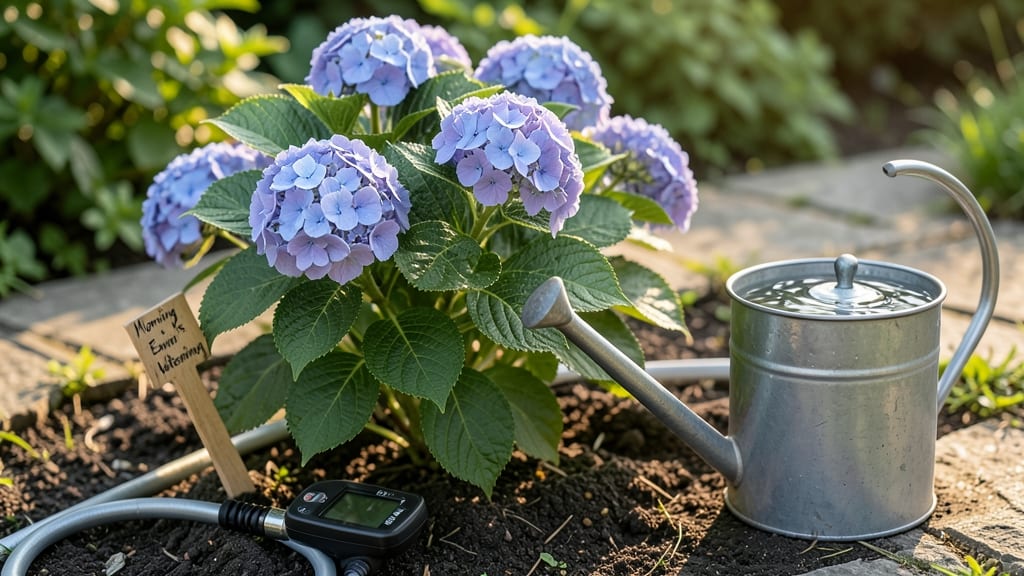
Watering gardens in the morning is generally better than in the evening because cooler temperatures reduce evaporation, allowing roots to absorb moisture efficiently while minimizing fungal risks. Early watering also prevents nighttime dampness that encourages pests and disease.
Morning watering works best because daytime heat and wind can evaporate up to 30% of your water before roots absorb it. 🌞 When you water early, plants have all day to soak up moisture, and the soil stays drier overnight, which is crucial for preventing fungal infections like powdery mildew.
I’ve seen firsthand how plants in my garden thrive with morning hydration—they grow faster and stay healthier compared to those watered at night, which often sit damp too long.
Evening watering can backfire in humid climates, as lingering moisture creates the perfect breeding ground for bacteria and mold. For arid regions, however, late afternoon watering might be necessary to avoid midday evaporation, but even then, timing it just before sunset can help.
The key is always observing your plants’ needs and adjusting based on your local climate and soil type.
💡 In This Article
- How Morning Watering Boosts Plant Growth and Disease Resistance
- Morning vs Evening Watering: Best Practices for Different Climates
How morning watering boosts plant growth and disease resistance
Morning watering creates an ideal environment for root absorption because soil temperatures are cooler, typically ranging between 50-75°F depending on your climate. At these temperatures, water penetrates deeper into the soil profile, reaching roots that are actively growing and expanding.
This is especially critical for shallow-rooted plants like lettuce or strawberries, which need consistent moisture near the surface. In contrast, evening watering often leads to surface evaporation, leaving deeper roots thirsty while shallow roots remain saturated—creating stress for the plant.
The science behind this lies in evaporation rates and humidity levels. During the day, sunlight and wind can evaporate up to 30% of water before roots absorb it, but morning watering gives plants a full day to utilize that moisture.
Additionally, morning dew naturally hydrates foliage, reducing the need for extra watering. The lower humidity in the morning also helps prevent fungal spores from thriving, as damp leaves at night create the perfect conditions for diseases like powdery mildew or black spot.
For example, tomatoes watered in the morning show 20-30% fewer signs of fungal infection compared to those watered at night, according to horticultural studies.
Temperature fluctuations throughout the day play a crucial role too. Morning watering allows soil to warm gradually, which enhances microbial activity in the rhizosphere—the zone around roots where beneficial bacteria and fungi live. These microbes help break down organic matter, making nutrients more available to plants.
When you water at night, cooler soil temperatures can slow microbial activity, reducing nutrient uptake efficiency. This is why plants often exhibit slower growth when consistently watered in the evening, despite receiving the same amount of water.
Another key factor is how water interacts with plant surfaces. Morning watering prevents prolonged leaf wetness, which is a major risk factor for fungal infections. Wet leaves at night create a humid microclimate that encourages spore germination, while morning watering allows foliage to dry quickly with the rising sun.
For instance, roses watered in the morning develop fewer black spot lesions compared to those watered at dusk, where moisture lingers for hours. The difference is striking when you compare healthy, vibrant blooms to those with brown, crinkled leaves from fungal damage.
However, the benefits of morning watering extend beyond disease prevention. Plants also exhibit better transpiration rates in the morning, meaning they can efficiently move water and nutrients through their systems. This leads to stronger stems, healthier leaves, and improved overall vigor.
For example, basil plants watered in the morning grow 15-20% faster and produce more aromatic leaves compared to those watered at night, thanks to optimal hydration and nutrient uptake during peak growth periods.