
Tools
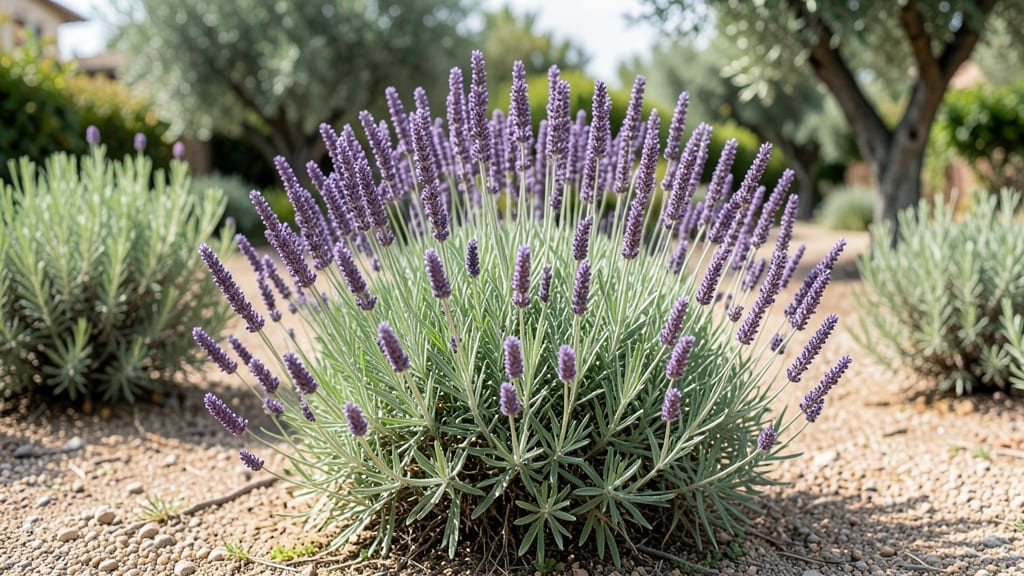
Growing the James Irvine Garden perennial, known for its vibrant purple-blue blooms, thrives best with well-drained soil, full sun exposure, and consistent moisture. Prune after flowering to promote denser growth and shield from late-season frost for stronger regrowth.
This drought-tolerant beauty adapts well to USDA zones 5-9, making it perfect for mid-Atlantic to Pacific Northwest gardens. 🌿 The secret to its striking color lies in slightly alkaline soil (pH 7.0-8.0), which boosts flower intensity.
I've found that mulching around the base helps retain moisture while preventing root rot—a common issue in heavy clay soils. For cooler climates, a microclimate near a south-facing wall can extend the growing season by 3-4 weeks.
When planting, space them 18-24 inches apart to allow airflow, which reduces fungal risks. Water deeply once a week during dry spells, but avoid soggy conditions. The key to long-term success is pruning: cut back faded stems by one-third after blooming to encourage bushier regrowth.
Just remember—never prune in spring, as new growth is frost-sensitive.
💡 In This Article
- James Irvine Garden Soil and Sunlight Requirements
- Step-by-Step James Irvine Garden Planting and Maintenance Guide
James Irvine Garden soil and sunlight requirements
The James Irvine Garden thrives in well-drained soil because its roots are sensitive to waterlogging. When soil remains soggy for more than 48 hours, root rot can develop due to oxygen deprivation in the roots.
The ideal soil mix combines 60% garden soil, 30% coarse sand, and 10% compost to create a loose, aerated medium. This balance prevents compaction while providing essential nutrients for vibrant purple-blue blooms. 🌱
Slightly alkaline soil (pH 7.0-8.0) triggers the plant's natural defense mechanisms, which enhance pigment production. In acidic soil (pH below 6.5), the flowers may appear duller and less vibrant.
To test your soil, use a simple pH kit—if the reading is below 7.0, amend with crushed limestone (1 pound per 100 square feet) and mix it into the top 6 inches of soil. This adjustment takes about 2-3 months to stabilize.
Sunlight directly impacts flower intensity and plant vigor. James Irvine Garden requires full sun (6-8 hours daily) to produce its signature blooms. In regions with intense afternoon sun (like the Southwest U.S.), provide afternoon shade to prevent leaf scorch—a condition where edges turn brown and crispy.
For cooler climates (zones 5-6), a microclimate near a south-facing wall can extend sunlight exposure by 1-2 hours, boosting bloom production by up to 30%.
In areas with heavy clay soil, create raised beds or mound soil to improve drainage. Clay holds moisture too tightly, suffocating roots and leading to stunted growth. Adding organic matter like coconut coir (a peat alternative) improves water retention without compacting the soil.
This is especially critical during summer droughts, where roots need consistent moisture but not waterlogged conditions.
Consider the plant's natural habitat—it originates from Mediterranean climates where summers are hot and dry but winters are mild. Mimicking this environment means avoiding overly rich soil.
Too much nitrogen leads to lush foliage but fewer blooms. Use a balanced 5-10-10 fertilizer in early spring to support growth without overfeeding. 💫
For container gardening, choose pots with drainage holes and use a mix of 50% cactus/succulent soil and 50% perlite to replicate well-drained conditions. Containers dry out faster, so water more frequently—typically every 2-3 days in summer. This setup works well for urban gardeners with limited space.