
Tools
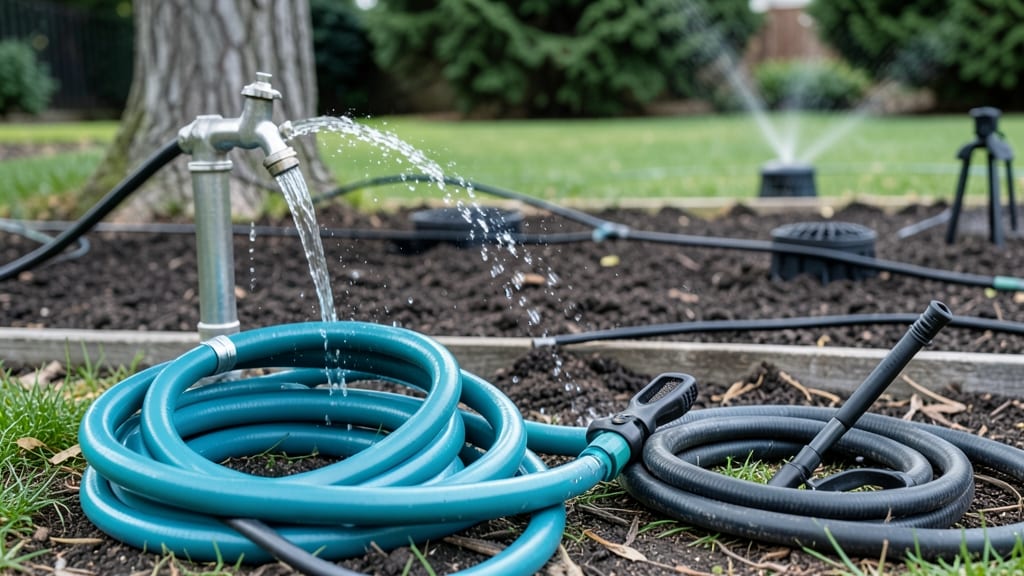
Checking for lead in garden hose starts with inspecting for corrosion or discoloration, then using a DIY test kit or vinegar rinse to detect harmful metal contamination before using it for plants or drinking. Replace immediately if lead is present.
Lead in garden hoses is a serious concern because even small amounts can leach into water over time, especially if your hose has brass fittings or corroded sections. 🔥 The vinegar rinse test works by reacting with lead to produce a white precipitate, while test kits provide precise readings.
I always recommend testing hoses over 5 years old or those with visible wear, as these are most likely to contain lead.
If you're unsure about the results, professional lab testing offers the most accurate confirmation. Remember, even trace amounts of lead can harm plants and pose health risks to pets or children who might drink from the hose.
💡 In This Article
- How Lead Enters Garden Hoses and Why It’s Dangerous
- Step-by-Step DIY Lead Testing Methods for Garden Hoses
How lead enters garden hoses and why it’s dangerous
Lead typically enters garden hoses through corroded metal fittings or brass components, especially in older hoses made before 1986 when lead solder was banned in plumbing. The metal corrodes over time due to water chemistry—particularly acidic or soft water—which accelerates lead leaching.
Even modern hoses with rubber or PVC coatings can develop microscopic cracks, exposing inner brass or lead-containing layers to water flow.
The danger lies in how lead accumulates: even trace amounts (0.015 ppm) exceed EPA safe drinking water limits. For plants, lead toxicity manifests as stunted growth or yellowing leaves, while for humans, it causes developmental issues in children or kidney damage.
The risk increases with hose age—after 5-10 years, corrosion becomes visible as dark spots or flaky deposits inside the hose.
Water temperature and pressure amplify the problem. Hot water dissolves lead 10x faster than cold, which is why garden hoses used for irrigation or filling pools pose higher risks.
The EPA warns that even brief exposure to lead-contaminated water can be harmful, especially for sensitive groups like pregnant women or young children.
Visual inspection is your first line of defense: look for greenish corrosion (copper-lead alloy), white powdery residue (lead carbonate), or cracked rubber seals. These signs indicate active leaching. The longer water sits in a contaminated hose, the more lead dissolves—making morning watering or stagnant hoses particularly risky.
Lead's insidious nature comes from its persistence. Once absorbed by plants, it doesn't break down—it accumulates in soil and can enter the food chain. For humans, even brief exposure through drinking or cooking with contaminated water can lead to long-term health effects.
The CDC states there's no safe level of lead exposure, making testing a critical preventive measure.
Consider this: a 10-foot hose with corroded fittings might release 0.05 mg of lead per gallon—enough to exceed safety limits in just 30 gallons of water. That's why regular testing, especially after periods of disuse or in hot climates, is essential for maintaining safe water quality.