
Tools
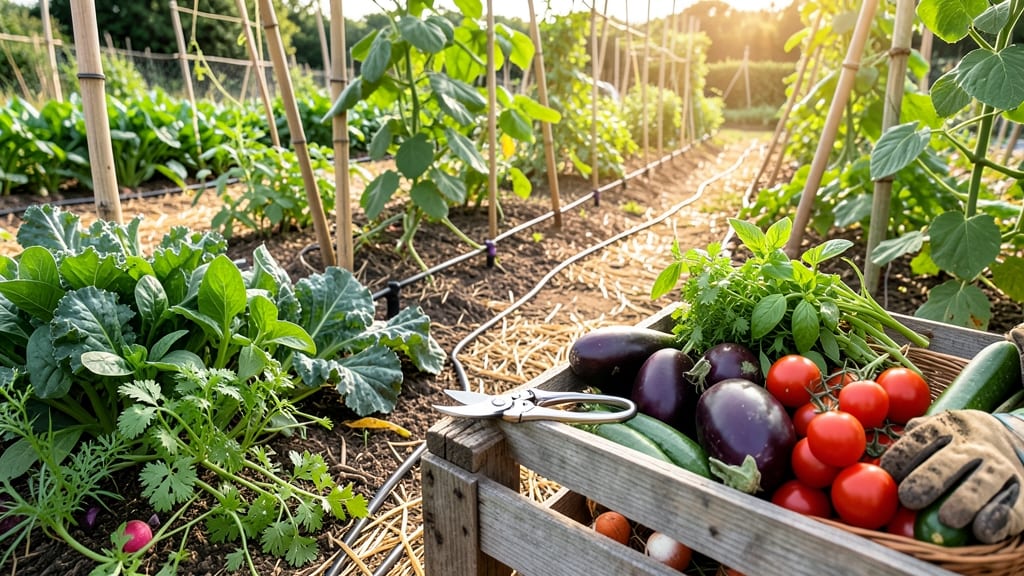
The ideal market gardening climate includes temperate conditions with mild winters and warm summers, typically found in USDA Hardiness Zones 5-9. These zones provide consistent rainfall and extended growing seasons perfect for high-yield crops like leafy greens, tomatoes, and herbs. Microclimates and controlled environments can expand growing possibilities beyond traditional boundaries.
The best market gardening regions thrive where temperatures stay moderate year-round, allowing for longer planting windows and fewer crop losses. 🌱 For example, Zone 6's 5,000-6,000 frost-free days make it ideal for tomatoes and peppers, while Zone 8's 300+ frost-free days supports year-round production of heat-loving crops like okra.
Even in less-than-perfect climates, techniques like cold frames or drip irrigation can create microenvironments that mimic these ideal conditions, helping gardeners grow successfully in marginal zones.
What sets these zones apart is their balance of moisture and warmth—too dry or too cold forces gardeners to rely on artificial solutions.
I've seen small farms in Zone 5 double their yields by using simple row covers during early spring, while Mediterranean climates (like parts of Zone 9) naturally excel with olive trees and artichokes without extra intervention. The key is matching your location's natural advantages with smart adaptations.
💡 In This Article
- How Climate Zones Affect Market Gardening Crop Selection
- Extending Market Gardening Seasons with Climate Control
How climate zones affect market gardening crop selection
USDA Hardiness Zones 5-9 represent the sweet spot for market gardening because they balance temperature extremes with sufficient growing seasons. Zone 5, with 1,200-1,400 heating degree days, supports cool-season crops like kale and broccoli while allowing for early planting of warm-season vegetables.
Zone 9, on the other hand, offers 3,600+ heating degree days, enabling year-round production of tropical crops such as sweet potatoes and eggplants that would perish in colder climates.
The number of frost-free days directly impacts what you can grow. In Zone 6, gardeners enjoy 140-180 frost-free days, perfect for tomatoes and peppers, while Zone 7 extends that to 180-240 days, allowing for double harvests of heat-loving crops.
The Mediterranean influence in Zone 9 (like parts of California) creates ideal conditions for olives and figs, where summer droughts actually enhance flavor through water stress adaptation. Meanwhile, humid subtropical climates in Zone 8 (such as Georgia) thrive with peppers and squash due to consistent moisture and warmth.
Soil temperature plays a critical role too—most vegetables need soil at 50-60°F to germinate, while warm-season crops like cucumbers require 70°F+. In colder zones (5-6), gardeners often use black plastic mulch to raise soil temperatures by 5-10°F, creating microenvironments that mimic warmer climates.
This technique explains why Zone 5 farms can successfully grow basil and okra despite their tropical origins.
Rainfall patterns also dictate crop suitability. Zones 5-7 typically receive 30-50 inches annually, ideal for leafy greens and root vegetables, while Zone 9's 15-30 inches requires careful irrigation for crops like strawberries.
The key is matching precipitation levels to plant needs—drought-tolerant crops like Swiss chard thrive in Zone 9, while water-loving crops like lettuce prefer the consistent moisture of Zones 6-7.
What most gardeners overlook is how elevation affects microclimates. A 1,000-foot elevation gain can drop temperatures by 3.5°F, creating cooler pockets within warmer zones. This explains why high-altitude farms in Zone 8 might struggle with tomatoes while valley floors produce them abundantly.
Understanding these variations lets growers optimize space and maximize yields.
For example, a Zone 7 garden might dedicate the north side to shade-tolerant greens while placing sun-loving peppers on the south side.
The same principles apply to container gardening—using heat-absorbing materials like dark-colored pots can raise root zone temperatures by 15°F in cooler zones, extending the growing season for warm-season crops.