
Advice
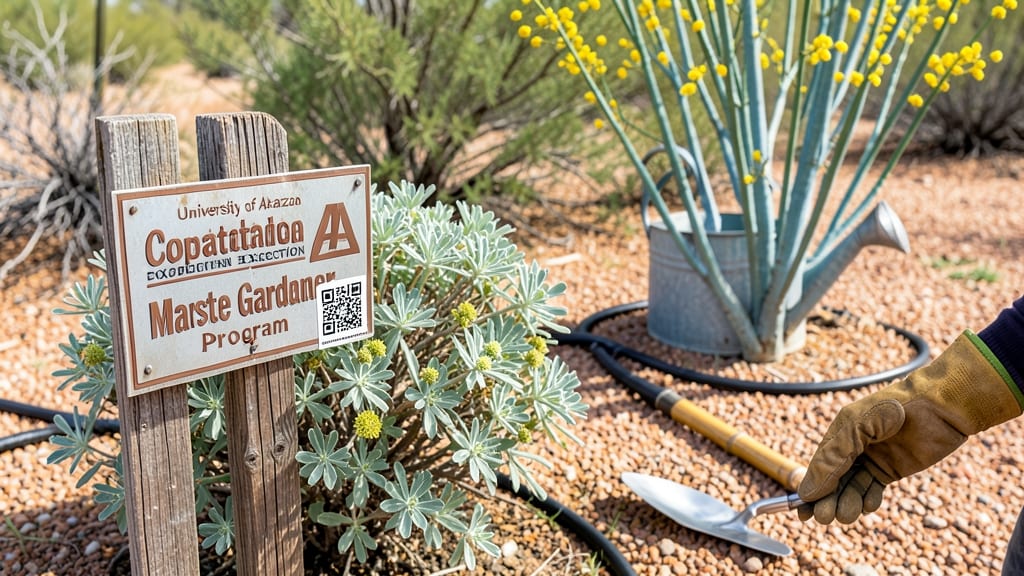
The Master Gardener Program in Arizona trains volunteers through the University of Arizona Cooperative Extension to provide research-backed gardening education, pest management guidance, and community support. Applications open yearly and require a program fee, background check, and a commitment to 50 hours of training plus 50 hours of volunteer service annually.
The Master Gardener Program in Arizona stands out because it blends classroom learning with real-world problem-solving for desert and high-elevation gardens. 🌵 You'll dive into topics like arid-land horticulture, integrated pest management, and soil science tailored to Arizona's unique climate zones.
The hands-on training includes field trips to university research farms and local demonstration gardens, giving you practical skills that directly address common regional challenges like drought-resistant landscaping or managing invasive species. Many graduates say this practical focus makes their volunteer work far more effective.
Once certified, you can choose from diverse service opportunities that match your interests—whether answering gardening questions via the University of Arizona Extension helpline, teaching youth in school gardens, or leading community workshops on topics like native plant landscaping.
The program even connects volunteers with local nonprofits and farmers markets to expand their impact. What's especially rewarding is seeing how your training translates into tangible results, like helping homeowners revive struggling citrus trees or teaching families how to compost in hot climates.
💡 In This Article
- How Arizona’s Master Gardener Training Prepares Volunteers
- Top Volunteer Roles for Arizona Master Gardeners
How Arizona’s Master Gardener training prepares volunteers
The 50-hour training curriculum in Arizona’s Master Gardener Program is designed to transform gardening enthusiasts into skilled educators and problem-solvers.
Courses cover core topics like soil science for desert climates, where you’ll learn how to analyze soil pH and organic matter content—critical for Arizona’s alkaline soils that often struggle with nutrient deficiencies.
The program also dives deep into plant pathology, teaching you to identify fungal diseases like powdery mildew (common on citrus trees) and bacterial infections (such as citrus greening) that threaten local agriculture.
What sets this training apart is its hands-on approach. You’ll spend time in University of Arizona research labs analyzing plant samples under microscopes, then apply those skills in field demonstrations.
For example, during a 3-hour workshop on integrated pest management, you might learn to distinguish between beneficial insects (like ladybugs) and pests (such as palm weevils) by examining specimens collected from campus gardens.
The curriculum also emphasizes sustainable practices, including water conservation techniques tailored to Arizona’s 100°F+ summers, where drip irrigation and mulching can reduce water use by up to 50% compared to traditional methods.
The program’s alignment with University of Arizona research ensures you’re teaching the latest science. For instance, if you volunteer at a community garden, you’ll have access to updated guidelines on drought-resistant plants like desert marigold or native grasses, which thrive with 30% less water than traditional lawns.
This connection to cutting-edge research means your advice—whether helping a homeowner choose the right mulch or diagnosing a sick cactus—is always evidence-based and locally relevant.
One standout feature is the climate-specific focus that addresses Arizona’s unique challenges. Training modules cover topics like high-elevation gardening (for Flagstaff volunteers) and Sonoran Desert landscaping (for Tucson participants), ensuring you’re prepared to tackle regional issues.
For example, you’ll learn how to manage scald injuries on saguaro cacti caused by extreme temperature swings—a problem that affects 90% of cacti in the Sonoran Desert if not properly cared for.
The program also integrates technology and data tools to enhance your effectiveness. You’ll train with soil moisture sensors, plant disease databases, and even drone imagery for large-scale garden assessments.
This tech-savvy approach means you’re not just a gardener but a modern agricultural educator, equipped to use tools like the UArizona PlantVillage app to diagnose plant issues from photos submitted by the public.
Finally, the training includes ethics and communication modules to ensure you can deliver complex information clearly. You’ll practice answering tough questions—like how to safely use pesticides near children or how to convert a lawn to a water-wise garden—while staying within the program’s science-backed guidelines.
This preparation is what turns passionate gardeners into trusted community resources. 🌱