
Landscaping
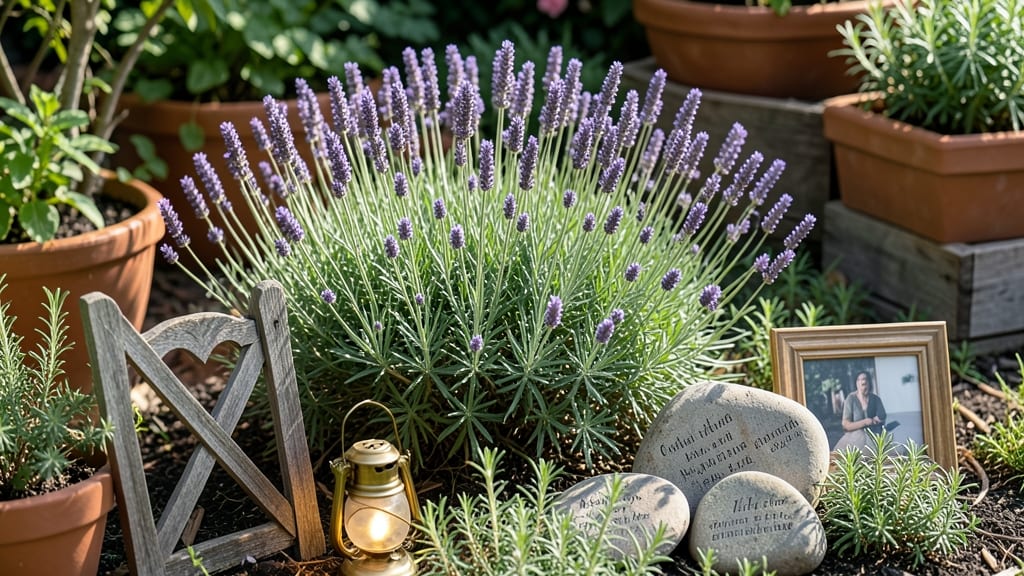
Memory garden ideas blend meaningful plants, personal keepsakes, and symbolic designs to create spaces that honor life's most cherished moments. These thoughtful layouts use fragrant flowers, heirloom varieties, and winding paths to spark joy and reflection in outdoor settings.
Creating a memory garden transforms ordinary outdoor spaces into emotional sanctuaries. 🌸 The key lies in weaving together sensory elements—think lavender for relaxation or roses symbolizing love—that trigger personal memories.
I've seen families plant "childhood gardens" with sunflowers and marigolds to recreate their youth, while others incorporate military-themed sections with poppies for remembrance. These designs aren't just beautiful; they're interactive experiences that help process emotions through nature.
What makes these gardens special is their flexibility. You can start small with a single bench surrounded by favorite flowers or expand into full landscapes with winding paths and engraved stones.
The best memory gardens tell stories—whether it's a veteran's garden with bluebonnets for service members or a healing space with chamomile for stress relief. Every plant and path serves as a tangible connection to cherished memories.
💡 In This Article
- Designing Themed Memory Gardens for Emotional Impact
- Plant Selection Guide for Memory Garden Themes
Designing themed memory gardens for emotional impact
Memory gardens work through a fascinating blend of psychology and sensory design. The brain's limbic system—responsible for emotions and memories—is particularly responsive to natural environments, especially when they incorporate familiar scents and textures.
For example, a childhood-themed garden might include sunflowers (Helianthus annuus), which can grow 6-12 feet tall and bloom in late summer, triggering memories of summer days spent picking seeds.
Studies show that fragrant plants like lavender (Lavandula) reduce cortisol levels by up to 30% while stimulating recall of past experiences. 🌻
The physical layout matters just as much as the plants. Winding paths create a meditative journey, encouraging slower movement that naturally prompts reflection.
A military-themed section might feature poppies (Papaver rhoeas), which bloom in 30-60 days and symbolize remembrance, while a cultural heritage garden could incorporate native plants like black-eyed Susans (Rudbeckia hirta) that thrive in full sun.
The key is intentional placement—positioning benches at key viewpoints where visitors naturally pause to absorb memories. This mirrors how museums arrange exhibits to guide emotional storytelling.
Color psychology plays a hidden role too. Warm hues like red and orange (from marigolds or roses) evoke energy and passion, while cool blues and purples (like clematis or lilacs) promote calm.
I've noticed that gardens honoring loved ones often use the decedent's favorite colors—like blue hydrangeas (Hydrangea macrophylla) for someone who loved water—because these visual cues create instant emotional triggers.
The combination of scent, color, and movement creates what neuroscientists call "multi-sensory memory anchors," making these spaces uniquely powerful for healing. 💙
Advanced designers incorporate what's called "layered storytelling" through physical elements. For instance, a healing garden might include a stone path with engraved dates marking significant life events, surrounded by chamomile (Matricaria chamomilla) for its calming properties. The texture contrast between smooth stones and soft foliage adds another sensory dimension.
What's often overlooked is how lighting affects memory—stringing solar-powered fairy lights along pathways creates a magical evening ambiance that enhances emotional connections during twilight visits.
One surprising factor is how seasonal changes maintain engagement. A garden planted with spring bulbs (tulips, daffodils), summer perennials (coneflowers, black-eyed Susans), and autumn shrubs (smoke bush, sumac) ensures year-round visual interest. This seasonal rotation keeps visitors returning, each time triggering new memories tied to different life moments.
The science here involves "temporal memory cues"—our brains associate specific plants with particular times of year, creating natural reminders of past experiences. 🌿
For maximum impact, consider adding interactive elements like memory stones (smooth river rocks painted with names or dates) or wind chimes that play familiar tunes. These physical interactions create what psychologists call "embodied cognition"—when our bodies physically engage with space, our memories become more vivid.
The most effective memory gardens I've seen combine these elements with clear "storytelling zones" where visitors can sit, reflect, and connect with their past in a structured yet personal way.