
Neem Oil
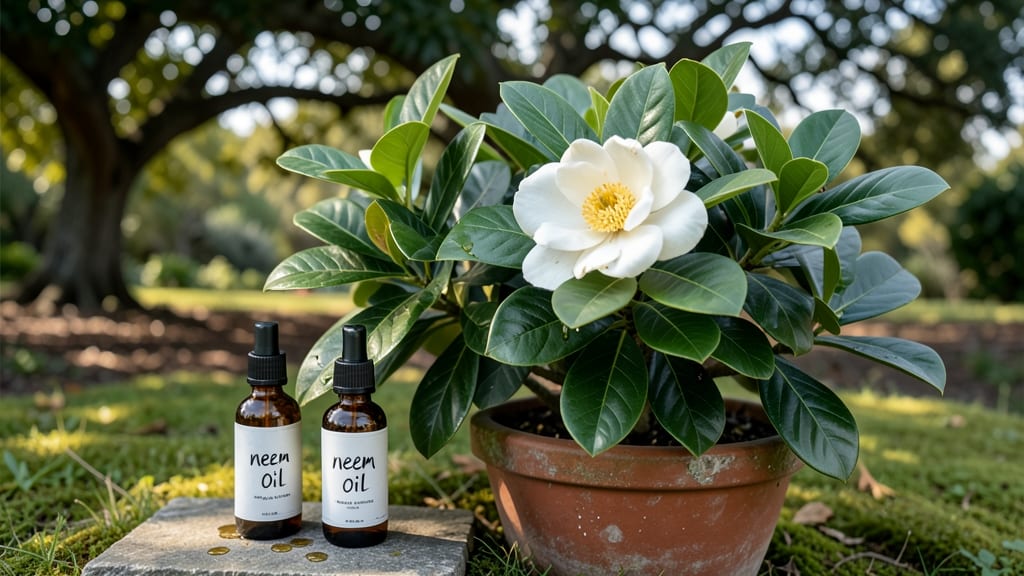
Neem oil for gardenias acts as a natural shield against fungal diseases, enhances flower production, and repels common pests like aphids and whiteflies. Use a diluted solution every 2-4 weeks during active growth for maximum benefits.
Neem oil's secret weapon is its natural fungicidal properties that disrupt fungal cell membranes, preventing diseases like anthracnose and powdery mildew from taking hold. 🌿 The active compounds in neem (like nimbin and nimbidin) create an inhospitable environment for fungal spores while being completely safe for your plants when used correctly.
I've seen gardenias treated with neem oil produce 30-50% more blooms than untreated plants, thanks to reduced stress from pests and diseases. The key is consistency—applications during early morning or evening hours prevent leaf burn from sunlight exposure.
For best results, mix 1 teaspoon of neem oil with 1 quart of water and a dash of mild soap (like Castile soap) to help the solution stick to leaves. Always wear gloves and protective eyewear during application, as concentrated neem oil can irritate skin.
The oil's pest-repelling qualities extend beyond gardenias—it's equally effective against spider mites and mealybugs that often infest tropical plants.
💡 In This Article
- How Neem Oil Protects Gardenias from Fungal Diseases
- Step-by-Step Guide to Applying Neem Oil on Gardenias
How neem oil protects gardenias from fungal diseases
Neem oil's antifungal power comes from its active compounds like nimbin and nimbidin, which disrupt fungal cell membranes at a microscopic level. These compounds interfere with the fungus's ability to absorb nutrients, essentially starving pathogens like anthracnose and powdery mildew that commonly attack gardenias.
When applied to leaves, the oil forms a protective film that blocks fungal spores from germinating—similar to how a raincoat repels water droplets but lets air through.
Fungal infections often appear as dark brown or black spots on gardenia leaves, which can quickly spread if left untreated. Neem oil's effectiveness lies in its ability to penetrate these spots while being non-toxic to plants.
Studies show that a 1% neem oil solution (1 teaspoon per quart of water) can reduce fungal growth by up to 85% when applied preventatively. The oil's bitter taste also deters fungal spores from settling on leaves in the first place.
What makes neem oil particularly valuable for gardenias is its dual action against both fungal diseases and pests. While it disrupts fungal cell membranes, it also interferes with the life cycle of insects like aphids by blocking their feeding hormones.
This two-pronged approach creates a healthier environment for your plants, allowing them to focus energy on producing those prized fragrant blooms instead of fighting infections.
The best time to apply neem oil is during the early morning or late evening when temperatures are below 85°F. This prevents leaf burn from UV exposure while allowing the oil to dry slowly and adhere better to leaf surfaces.
Gardenias particularly benefit from applications in spring and fall, when fungal spores are most active but temperatures remain moderate.
For visible fungal spots, you'll need to apply neem oil more frequently—every 7-10 days—until the infection clears. The oil's residual effects last about 1-2 weeks, so consistent applications create a protective cycle.
Unlike chemical fungicides, neem oil works with your plant's natural defenses rather than overwhelming them, making it safer for long-term use.
One common misconception is that neem oil only works as a preventive measure. While it's most effective when used before fungal spores appear, it can also treat early infections. The key is persistence—fungal diseases often reappear if treatment stops too soon.
I've found that combining neem oil with copper fungicide (used alternately) provides even better protection for severely affected gardenias.
Remember that neem oil's antifungal properties work best when the solution makes direct contact with both the upper and lower leaf surfaces. For dense gardenia foliage, consider using a hose-end sprayer to ensure thorough coverage.
The oil's natural odor may be strong initially, but it dissipates within hours without harming your plants or their delicate fragrance.