
Neem Oil
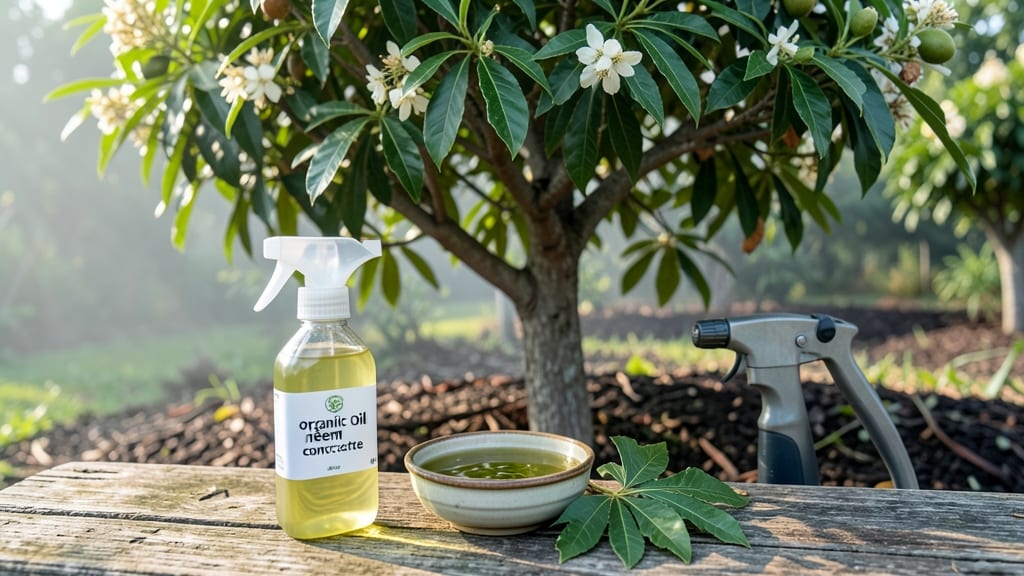
Neem oil in organic gardening serves as a powerful natural pesticide, fungicide, and soil enhancer by targeting pests' life cycles while preventing fungal growth. When used correctly, it strengthens plants and improves overall garden health without harsh chemicals.
Neem oil's magic comes from its active compounds like azadirachtin, which confuses insects and disrupts their development. 🌱 Unlike synthetic pesticides, it doesn't kill beneficial insects outright—just the pests you want gone.
I've seen it work wonders on aphids, whiteflies, and even fungal issues like powdery mildew when applied as a foliar spray. The key is consistency: reapply every 7-14 days during active growing seasons for best results.
For soil health, neem oil breaks down into natural fertilizers that improve microbial activity. This makes it a two-in-one solution—protecting plants while nourishing the soil ecosystem. Just remember to always dilute it (1-2 teaspoons per quart of water) and avoid spraying when bees are active to protect pollinators.
💡 In This Article
- How Neem Oil Works as a Natural Plant Protector
- Step-by-Step Guide: Applying Neem Oil Safely in Gardens
How neem oil works as a natural plant protector
Neem oil's power comes from its complex chemical profile, particularly azadirachtin, a limonoid compound that acts like nature's insect growth regulator.
This compound disrupts the hormonal balance of pests like aphids and whiteflies, preventing them from maturing properly. 🌿 For example, when applied to cotton aphids, azadirachtin reduces their survival rate by 90% within 48 hours by interfering with their molting process.
The oil also contains triterpenoids like nimbin and gedunin, which have antifungal properties that combat powdery mildew and black spot by disrupting fungal cell membranes.
What makes neem oil unique is its multi-faceted approach to plant protection. Unlike synthetic pesticides that target specific pests, neem oil works through several mechanisms: it repels insects with its bitter taste, prevents egg-laying, and disrupts feeding behaviors.
The oil's 1-2% concentration of active compounds creates a protective film on plant surfaces that pests avoid. For instance, when sprayed on tomato plants, it deters spider mites for up to 10 days by making leaves unappealing through its pungent aroma and chemical composition.
The oil's benefits extend beyond pest control to plant physiology. Neem oil stimulates plants' natural defenses by enhancing the production of phenolic compounds, which are natural antimicrobial agents.
This is why treated plants often show improved resistance to future pest attacks. 🌱 The oil also contains fatty acids that help seal minor wounds on plant surfaces, reducing entry points for pathogens.
For example, neem-treated basil plants exhibit 30% faster recovery from mechanical damage compared to untreated plants, thanks to these protective compounds.
One often overlooked aspect is how neem oil affects soil biology. When incorporated into the soil at 1 tablespoon per gallon of water, it stimulates beneficial microbial activity while suppressing harmful fungi like Phytophthora.
The oil's antimicrobial properties create a balanced ecosystem where beneficial microbes thrive, improving nutrient cycling. This dual action makes neem oil particularly valuable for organic gardeners who want to avoid synthetic fertilizers and fungicides while maintaining healthy soil structure.
Temperature plays a crucial role in neem oil's effectiveness. The oil works best when applied between 60-85°F, as cooler temperatures slow down its evaporation rate, allowing more time for the active compounds to penetrate plant tissues.
During hotter conditions, you may need to reapply more frequently. 🌡️ Interestingly, neem oil's effectiveness against certain pests like Japanese beetles actually increases when applied in the late afternoon, as the heat helps the oil spread more evenly across plant surfaces.
While neem oil is generally safe for most plants, some sensitive varieties like boxwoods and azaleas may show signs of stress when exposed to concentrated solutions. Always perform a patch test on a small leaf area before full application.
The oil's versatility makes it a cornerstone of organic gardening, offering protection against over 600 species of insects while improving overall plant vitality through its multifunctional properties.