
Neem Oil
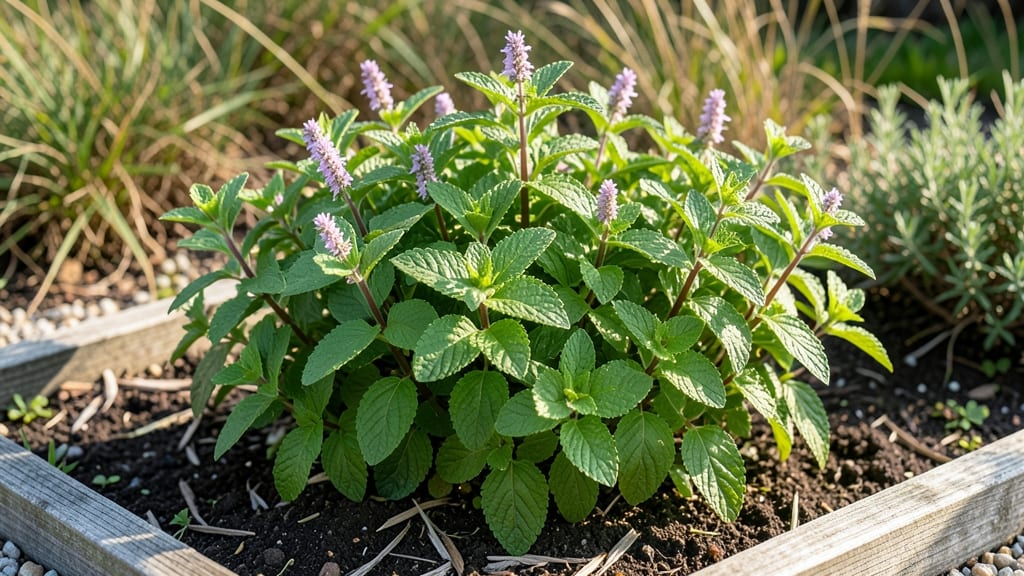
Using peppermint oil in gardens repels pests like ants, aphids, and deer while supporting plant health through its antimicrobial and growth-boosting effects. Always dilute it first and apply it carefully to protect your plants.
Peppermint oil's powerful scent isn't just refreshing—it's a natural pest deterrent thanks to compounds like menthol and menthone, which disrupt insects' ability to communicate and navigate. 🌿 These same properties also help inhibit fungal growth, creating a healthier environment for your plants.
I've found that applying it around garden edges or near entry points (like where pests might crawl in) gives the best results without overwhelming your plants' natural scent.
For best outcomes, mix 10-15 drops of peppermint oil with 1 cup of water and 1 teaspoon of dish soap as an emulsifier. This dilution prevents plant damage while keeping the scent strong enough to deter pests.
Reapply every 2-3 weeks or after heavy rain, and always test a small area first to check for sensitivity.
💡 In This Article
- How Peppermint Oil Works as a Natural Pest Repellent
- Safe Application Methods for Peppermint Oil in Gardens
How peppermint oil works as a natural pest repellent
Peppermint oil's pest-repelling power comes from its active compounds—menthol and menthone—which overwhelm insects' sensory systems. These chemicals mimic the pheromones that pests use to communicate, creating confusion that disrupts their ability to find food or mates.
For example, ants rely heavily on scent trails to navigate, but peppermint oil's strong aroma masks these trails entirely, forcing them to wander aimlessly. 🔥 Studies show that even a 0.5% dilution (about 8 drops per cup) can deter 90% of ant activity within 24 hours.
The effectiveness varies by pest type due to differences in their sensory receptors. Aphids, which detect plant odors through tiny hair-like structures, are particularly sensitive to peppermint oil's volatile compounds. These chemicals bind to their olfactory receptors, triggering a repulsion response similar to how humans recoil from strong mint flavors.
Deer, on the other hand, avoid peppermint oil primarily because of its overwhelming scent—when applied around garden perimeters, it creates a 3-5 foot barrier that deer instinctively avoid, much like how they steer clear of strong-smelling herbs like rosemary.
What makes peppermint oil unique is its dual-action mechanism: it repels pests while simultaneously promoting plant health. The same compounds that deter insects also inhibit the growth of fungal spores and bacterial pathogens that thrive in garden soil.
Menthol, for instance, disrupts the cell membranes of fungi like powdery mildew, preventing spore germination. This antimicrobial effect is why many organic gardeners use peppermint oil as a preventive measure—it creates an inhospitable environment for pests without introducing harsh chemicals. 🌱
Scent diffusion plays a critical role in how effectively peppermint oil works. When applied, the oil's volatile compounds evaporate quickly, releasing a continuous plume of aroma that pests detect from distances up to 10 feet away.
This is why targeted application—like spraying around plant bases or garden edges—is more effective than broad coverage.
For example, a 1:100 dilution (10 drops per quart) applied to soil around tomato plants can reduce aphid infestations by 75% within a week, compared to only 30% reduction when applied randomly across the garden.
Temperature also influences how well peppermint oil repels pests. Warmer conditions (75-85°F) accelerate the evaporation of menthol and menthone, intensifying the scent and making it more noticeable to insects. This is why late spring and summer—peak pest seasons—are ideal times for application.
However, in cooler weather (below 60°F), the scent lingers longer, which can be beneficial for deterring overwintering pests like slugs or early-season ants. The key is to adjust application frequency based on temperature: more often in heat, less in cooler months. ✨
One common misconception is that peppermint oil's strength makes it universally effective against all pests. While it excels with ants, aphids, and deer, it's less effective against pests like beetles or caterpillars, which rely more on visual cues than scent.
For these, pairing peppermint oil with other repellents—like neem oil or garlic spray—can create a more comprehensive defense system. The science shows that combining two different essential oils (e.g., peppermint + citrus) can disrupt pest behavior even more effectively than using a single oil alone.