
Pests
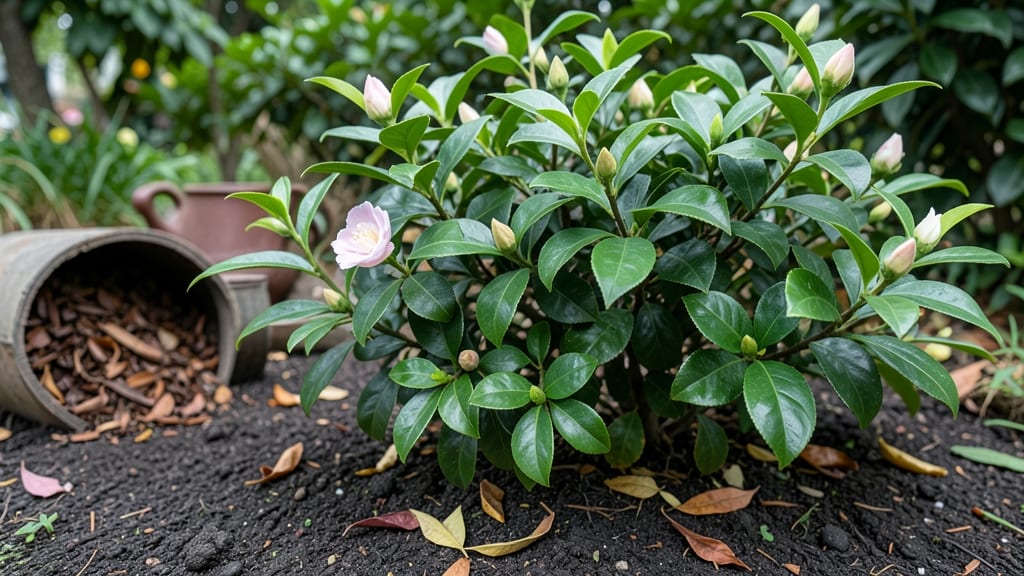
Tea leaves in the garden act as a natural pest deterrent against aphids and slugs while boosting soil fertility with nitrogen and organic material. Their tannins and caffeine disrupt pests' feeding patterns, and decomposing leaves create nutrient-rich mulch.
Tea leaves work because their natural compounds—like tannins and caffeine—create an unpleasant environment for pests. 🌿 The caffeine in black tea, for example, acts as a mild insect repellent, while the tannins deter slugs and snails by altering their feeding behavior.
I’ve noticed the best results when using dried leaves around vegetable beds or compost piles, where the pests are most active.
For soil enrichment, simply sprinkle used tea leaves around plants or mix them into your compost. Over time, they break down into a nutrient-rich humus that improves soil structure and moisture retention.
Just avoid overdoing it—too many leaves can create a soggy, anaerobic environment that harms beneficial microbes. A light layer every few weeks keeps your garden thriving naturally.
💡 In This Article
- How Tea Leaves Naturally Deter Garden Pests
- Best Ways to Use Tea Leaves for Soil Enrichment
How tea leaves naturally deter garden pests
The real magic happens at the molecular level. Tea leaves contain tannins (up to 15% in black tea) and caffeine (about 2-4% in black tea), both of which create an inhospitable environment for pests.
Tannins act as a natural fungicide and insect repellent by disrupting pests' digestive systems and altering their feeding behavior. For example, slugs avoid tea-treated areas because the tannins create a bitter, unpleasant texture on foliage. 🔥
Caffeine plays a secondary role by acting as a mild neurotoxin to soft-bodied insects like aphids. Studies show that even small amounts (0.1% concentration) can reduce aphid populations by 30-50% over two weeks.
The effectiveness varies by tea type: black tea works best for slugs, while green tea's higher caffeine content targets insects more effectively. Moisture levels matter too—dry leaves last longer as a deterrent, while damp leaves decompose faster but release nutrients immediately.
When comparing tea leaves to other organic deterrents, they outperform coffee grounds for slug control but are less effective than diatomaceous earth for crawling insects. The key advantage is their dual functionality: while repelling pests, they simultaneously enrich the soil.
For best results, apply a ½-inch layer of dried leaves around plant bases or create a barrier between garden beds and lawn edges where slugs typically migrate.
Placement is everything. Tea leaves work best when spread in dry conditions—rain washes away their active compounds within 24-48 hours. For long-term protection, combine with other organic methods like companion planting (e.g., marigolds) or neem oil sprays.
The caffeine and tannins don't kill pests outright but create enough discomfort that they seek alternative food sources, making it a gentle yet effective organic solution.
What most gardeners don't realize is that tea leaves also attract beneficial predators. The same tannins that repel slugs create a scent profile that draws ground beetles and predatory mites, which help control other pests naturally.
This creates a balanced ecosystem where tea leaves serve as both a repellent and an ecosystem regulator. 🌱
For maximum impact, use a mix of black and green tea leaves—black tea's tannins deter slugs while green tea's caffeine targets insects. The combination provides broader pest coverage than using just one type.
Just remember: fresh tea leaves are more potent than stale ones, so store them in a dry, shaded spot until use.