
Planting
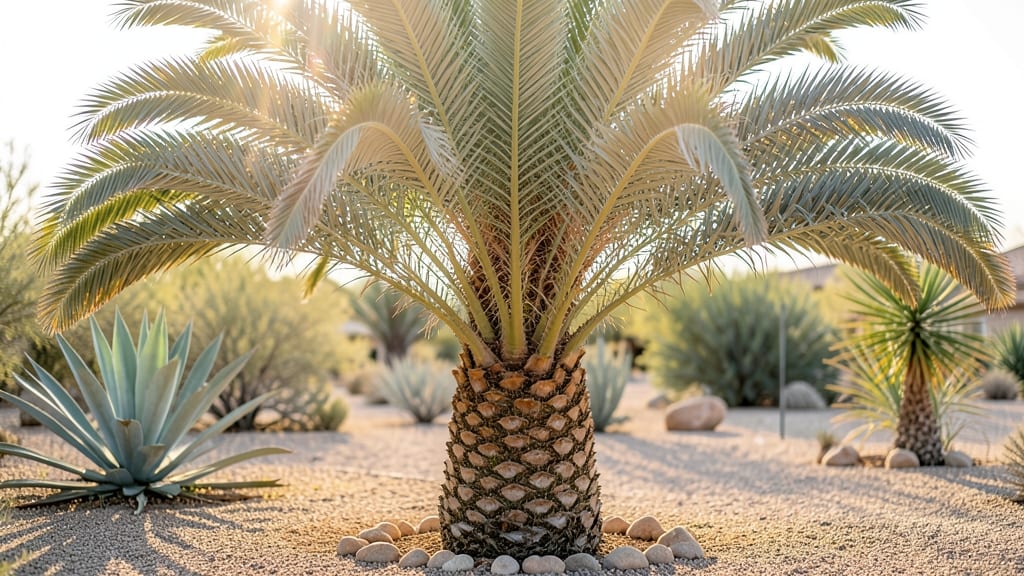
Phoenix gardening thrives in USDA Hardiness Zone 10b, where extreme heat and low humidity demand drought-tolerant plants like desert marigolds, palo verde trees, and succulents. Water deeply but infrequently, and avoid planting before monsoon season (July) to prevent transplant shock in the scorching summer months.
Phoenix's Zone 10b climate isn't just about heat—it's about the 110°F+ summers and sudden monsoon downpours that can drown shallow-rooted plants. 🔥 The key is matching plants to microclimates: shade-tolerant varieties like ocotillo thrive near buildings, while sun-lovers such as agave need full exposure.
Even "drought-tolerant" plants need 3-4 inches of water per week during monsoon season, but half that in winter. Pro tip: Use drip irrigation at dawn to minimize evaporation and fungal risks.
Timing matters just as much as plant choice. For example, cool-season vegetables like lettuce and peas should go in November, while heat-loving tomatoes and peppers wait until March. The monsoon's July arrival isn't just for rain—it's when soil moisture peaks, making it the safest time to transplant tender perennials.
I've learned the hard way that skipping this window means wrestling with wilting plants by August.
💡 In This Article
- Understanding Phoenix’s Unique USDA Zone 10b Climate
- Best Phoenix Plants by Season: A Month-by-Month Guide
Understanding Phoenix’s unique USDA Zone 10b climate
Phoenix’s Zone 10b classification isn’t just about warm temperatures—it’s defined by 110°F+ heat waves, less than 15% humidity, and a dramatic shift from bone-dry winters to sudden monsoon downpours. The Sonoran Desert climate creates microclimates where shade near buildings can be 10-15°F cooler than open sun areas.
This extreme contrast forces plants to adapt to both scorching days and flash floods, which is why traditional gardening wisdom (like "water when the top inch is dry") fails spectacularly here.
The monsoon season (July-September) delivers 75% of Phoenix’s annual rainfall in just 3 months, creating a false sense of security for gardeners. What most don’t realize is that this intense moisture triggers fungal diseases in overwatered plants and washes away mulch, exposing roots to sudden temperature swings.
The key mechanism is how quickly the soil heats up—bare ground can reach 160°F during summer, while mulched areas stay 20°F cooler. This is why desert-adapted plants like palo verde trees have deep taproots (up to 50 feet) to access groundwater.
This climate demands a complete rethink of planting timing. For example, cool-season crops like broccoli and kale thrive in winter (50-60°F nights) but bolt by March when temperatures exceed 75°F. Meanwhile, summer vegetables like okra and sweet potatoes need 90°F+ soil temperatures to germinate properly.
The science here is about thermal thresholds—most annuals have a 30-day window to establish roots before heat stress takes over. That’s why July planting (post-monsoon) works for heat-tolerant crops like peppers, while winter planting requires shade cloth to extend the growing season.
Humidity plays a sneaky role too. Low humidity means plants lose moisture 3x faster than in coastal climates, which is why even drought-tolerant plants need deep watering every 7-10 days during summer. The trade-off? Overwatering in winter (when evaporation slows) can lead to root rot.
This is why drip irrigation with timers set for dawn hours is non-negotiable—it minimizes evaporation (90% less water loss vs. overhead sprinklers) and prevents fungal spores from thriving in damp foliage.
Consider these microclimate adjustments for your Phoenix garden:
- South-facing walls: Create "heat sinks" with shade cloth (30-50% block) for heat-sensitive plants like basil
- North-facing beds: Ideal for cool-season crops in winter when temps drop to 40°F at night
- Paved areas: Use reflective mulch to reduce soil temps by 10-15°F in summer
The most critical adaptation? Plant selection. Native species like desert marigold (Baileya multiradiata) have waxy leaves that reflect sunlight, while agave stores water in its leaves like a built-in reservoir. These plants don’t just survive—they thrive because their biology is perfectly matched to Phoenix’s extremes. 🌵