
Picking
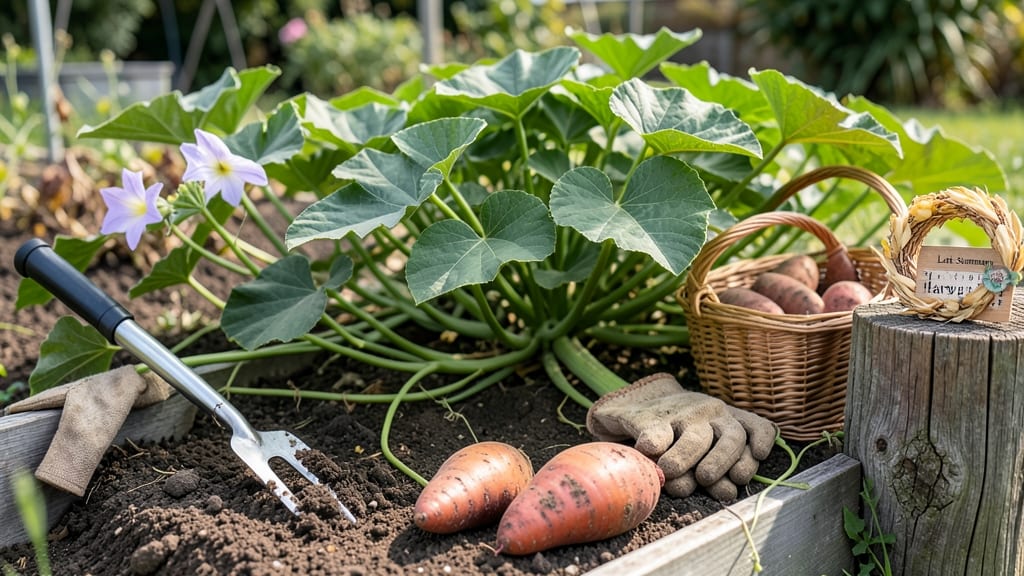
To pick sweet potatoes from the garden at the perfect time, watch for 90 to 120 days after planting when vines yellow and leaves die back—this signals maturity and sweetness.
Harvesting too early means small, tough tubers—too late, and they’ll rot underground. Timing is everything, and these proven tricks will help you know exactly when to dig up your sweet potatoes for maximum yield and flavor.
Start by checking the skin with your fingernail: if it resists piercing, the potatoes are ready. Combine this with soil checks and vine health to avoid common mistakes that ruin your harvest.
Below, I’ll walk you through the skin slip test, soil cues, and frost warnings so you never miss the window between September 1 and October 31—the ideal harvest period for most gardeners.


How to use the skin slip test to determine sweet potato harvest time
If you've ever wondered when to pick sweet potatoes from your garden, the skin slip test is my go-to method. This simple trick helps you avoid two common mistakes: harvesting too early (tiny, tough tubers) or too late (rotting underground).
The test works by checking how easily the skin slips off the tuber—when it slides off smoothly, your sweet potatoes are ready!
I first learned this technique from a master gardener who swore by it. The principle is simple: as sweet potatoes mature, their skins toughen and become less prone to damage.
When the skin slips easily from the flesh, it's a clear sign that the starches have fully developed, and the flavor will be at its peak. This method is especially useful when other signs like vine yellowing might be less obvious due to weather or variety differences.
Before you rush to dig up your crop, though, there are a few key steps to perform the test correctly. You'll need a sharp knife, a clean workspace, and a little patience.
The test should be done on a sample tuber—never dig up the entire patch just to check! Here's how to prepare:
The skin slip test works because mature sweet potatoes develop a thicker, tougher skin that naturally separates from the flesh. When the skin slips off smoothly, it means the starches have fully converted, and the sweetness will be at its peak.
This is especially important for varieties like 'Beauregard' or 'Georgia Jet', which are prized for their sweet flavor.
If the skin doesn't slip and feels rough or sticky, your sweet potatoes need more time. I’ve made the mistake of harvesting too soon, only to end up with small, watery tubers that lacked flavor.
Patience is key—waiting an extra week or two can make a world of difference in both size and taste. Keep testing every 5-7 days until you get the perfect slip.
One pro tip I learned from a local farmer: test multiple tubers from different plants. Sweet potatoes can mature at slightly different rates depending on soil conditions, sunlight, and variety. For example, 'Bonita' sweet potatoes might be ready a week earlier than 'Covington' in the same garden.
By checking 3-5 tubers, you’ll get a more accurate picture of your entire crop’s readiness.
Timing your harvest correctly also depends on your climate zone. In warmer regions (Zones 8-10), sweet potatoes can stay in the ground longer, sometimes until November or December.
But in cooler zones (Zones 6-7), the first frost in October or early November signals it’s time to harvest, even if the skin isn’t perfectly slippery yet. Always prioritize avoiding frost over perfect maturity—frost will turn sweet potatoes mushy and inedible.
Once you’ve confirmed your sweet potatoes are ready with the skin slip test, it’s time to harvest. I recommend digging on a dry, sunny day to allow the tubers to dry quickly.
Use a fork or shovel to gently loosen the soil around the plants, then pull the vines upward to expose the tubers. Handle them carefully—their skins are delicate and can bruise easily.
After harvesting, let the sweet potatoes cure in the sun for
Signs from the soil and vine health that indicate harvest readiness
Beyond the skin slip test, your sweet potato plants send clear signals about harvest readiness through their vine health and soil conditions. Paying attention to these cues ensures you don’t miss the perfect window between 90 and 120 days after planting.
Start by observing the vine color. Healthy green vines mean your potatoes need more time, but when leaves turn yellow-brown and begin dying back, it’s a strong sign to prepare for harvest. This natural decline happens as the plant redirects energy to the tubers.
Check the soil temperature—sweet potatoes thrive in warm soil, and harvest time often aligns with soil temps dropping below 60°F (15°C). Cooler soil signals the plant’s growth cycle is nearing its end, prompting tuber maturation.
| Indicator | What It Means | Action |
|---|---|---|
| Vine Color | Yellow-brown, dying back | Prepare to harvest |
| Soil Temperature | Drops below 60°F (15°C) | Check for frost warnings |
| Leaf Health | Wilting, crispy edges | Harvest within 1-2 weeks |
| Frost Risk | Forecasted within 2 weeks | Harvest immediately |
Don’t ignore leaf texture—crispy or wilting edges indicate the plant is shutting down. Combine this with the skin test for foolproof timing. If leaves are still lush and green, your potatoes need more time in the ground.
Watch for frost warnings in your region. Sweet potatoes cannot tolerate frost—they’ll rot if left in cold, wet soil. If frost is forecasted within 1-2 weeks, prioritize harvesting even if other signs aren’t fully present.
For the most accurate timing, combine all these signals. A yellowing vine + tough skin + cooler soil = perfect harvest readiness. This multi-step approach minimizes guesswork and maximizes your yield.