
Planting
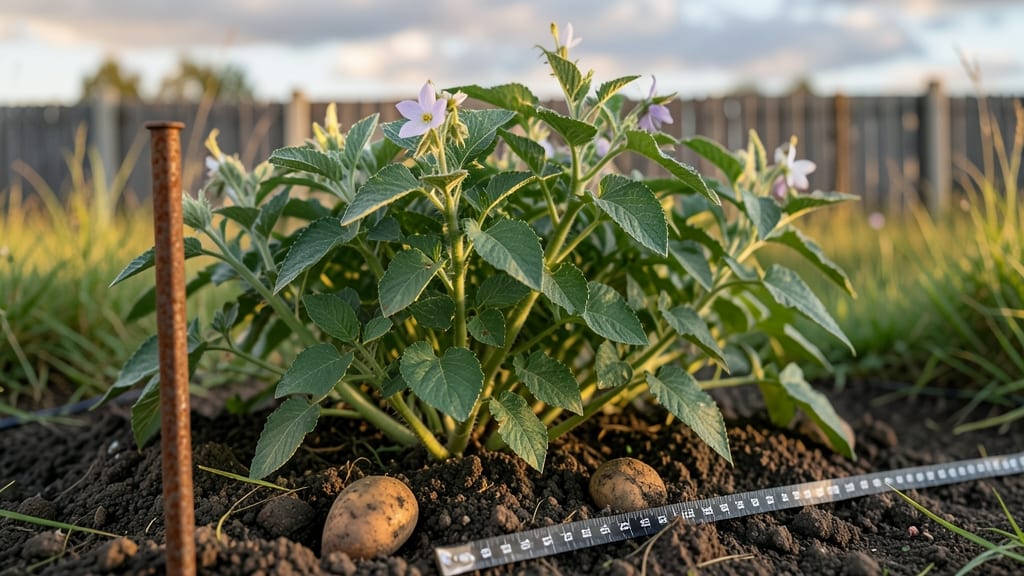
Proper potato spacing in your garden is the secret weapon for bigger yields and fewer diseases—because cramming those 🥔 too close turns your harvest into a game of Russian roulette.
Picture this: you’ve spent weeks prepping soil, choosing the right seed potatoes, and even timing your planting just right. But if you’re spacing them wrong, you’re leaving money on the table—or worse, inviting blight into your rows.
The right inches between plants mean the difference between a bucket of small, misshapen tubers and a bountiful harvest of plump, disease-free potatoes.
Whether you’re working with early-season reds, mid-season Yukon Golds, or late-season Russets, the spacing rules change. Too tight, and your potatoes compete for nutrients; too wide, and you waste garden real estate.
Below, I’ll break down the exact measurements for rows, hills, and even container setups—plus how to adjust for your soil type and climate.
Ready to stop guessing? You’ll learn how to space potatoes for maximum growth, avoid common mistakes that slash yields, and even squeeze extra harvests into small gardens with smart techniques.
Optimal potato spacing by variety: inches that boost yields
Getting the potato spacing right isn’t just about fitting more plants in—it’s about giving each tuber the room to grow into plump, disease-free harvests.
I’ve learned the hard way that cramming potatoes too close leads to stunted growth and blight-prone foliage, while spacing them too far wastes precious garden real estate. The key? Matching your potato variety to its ideal spacing requirements.
Early-season varieties like Yukon Gold and Red Norland need different spacing than late-season Russet Burbank or Sweet Potatoes. Even container gardening requires adjustments. Let’s break down the inches that matter for each type, plus how to adapt for hills vs. rows and container growing.
For early-season varieties, tighter spacing works because they mature quickly and produce smaller tubers. My Yukon Golds thrive with just 8-10 inches between plants, while late-season Russets need 12-15 inches to avoid competition.
The row spacing follows a simple rule: double the plant spacing in feet. So if you space plants 12 inches apart, rows should be 2-3 feet apart.
Hilling—adding soil around the stems—changes the game. I mound soil every 2-3 weeks to encourage more tuber formation. For early varieties, hills can be 12-15 inches apart, but for late-season types, stretch that to 18-24 inches. This prevents tubers from fusing together and makes harvesting easier.
Container gardening demands even more precision. A 5-gallon pot works for early varieties with just one plant, but late-season potatoes need 10+ gallons per plant. I’ve seen gardeners cram two Yukon Golds into a 7-gallon pot, but the yield drops by 40% compared to single plants.
Stick to the spacing guidelines, and you’ll avoid stunted growth.
Soil depth matters too. Plant seed potatoes 3-4 inches deep, but keep 12 inches of loose soil above the tubers to prevent greening. I’ve found that sandy loam allows tubers to expand faster than clay-heavy soil.
Amend your beds with compost or aged manure to improve drainage and aeration—critical for high-yield spacing.
Pro tip: If you’re short on space, try interplanting with fast-growing crops like radishes or lettuce. They’ll mature before the potatoes need full sunlight. Just avoid planting anything that competes for nutrients, like tomatoes. I’ve doubled my garden’s productivity this way without sacrificing potato yields.
One mistake I see often? Ignoring the variety’s maturity timeline. Early potatoes can handle closer spacing because they’re harvested sooner, but late varieties need room to bulk up over months.
For example, Red Norland (mid-season) does well at 10 inches, but Kennebec (late-season) struggles if planted closer than 12 inches.
For container growers, remember: tubers need space to expand in all directions. A 10-gallon pot with one Russet Burbank will yield more than a 5-gallon pot with two plants. And always use well-draining soil—waterlogged containers lead to rot, even with perfect spacing.
Finally, rotate your pot
Common potato spacing mistakes that kill your harvest
Even experienced gardeners make spacing mistakes that sabotage potato yields. The most common error? planting tubers too closely—which leads to stunted growth, increased disease spread, and tubers that compete for nutrients.
I’ve seen gardens where potatoes were spaced just 6 inches apart instead of the recommended 12 inches, and the result? Tiny, misshapen tubers and a harvest that was only half the expected size.
But spacing mistakes don’t stop there. Some gardeners go to the opposite extreme—planting potatoes too far apart—wasting precious garden space. This happens when they assume "more room = better growth," but without proper spacing, sunlight and nutrients get unevenly distributed.
The key is finding that sweet spot where potatoes thrive without crowding.
Here’s the hard truth: Poor spacing invites disease. When plants are too close, humidity lingers, creating the perfect conditions for late blight and potato scab. I’ve had to pull entire rows of potatoes because overcrowding turned a thriving patch into a fungal hotspot.
The good news? Fixing spacing issues is easier than you think—and it can double your harvest in just one season.
⚠️ Warning: These Spacing Mistakes Are Costing You
- Overcrowding (6-8 inches apart): Leads to small, deformed tubers and disease spread (blight, scab).
- Over-spreading (18+ inches apart): Wastes garden space and reduces yield per square foot.
- Uneven rows: Causes poor air circulation, increasing fungal risks.
Fix it: Adjust spacing to 12 inches between plants and 3 feet between rows. For hills, space 3-4 tubers per mound, 12 inches apart.
Let’s tackle the first mistake: overcrowding. When potatoes are planted too close, their foliage merges, blocking sunlight and trapping moisture. This creates a perfect storm for late blight, a fungal disease that can wipe out an entire crop in weeks.
I once saw a garden where overcrowded potatoes developed black, mushy spots on their leaves—classic blight symptoms. The fix? Space them 12 inches apart in rows 3 feet apart.
On the flip side, over-spreading (planting potatoes too far apart) is just as damaging. While it might seem like giving plants more room helps, it actually reduces yield per square foot. For example, spacing potatoes 18 inches apart instead of 12 inches cuts your harvest by nearly 30%.
The solution? Stick to the 12-inch rule and use hilling techniques to maximize vertical space for tuber growth.
Here’s a pro tip: If you’re growing container potatoes, the spacing rules change. Use 5-gallon buckets and plant 1-2 tubers per container, spaced 6-8 inches apart.
This ensures tubers have room to grow without competing. And remember, loose, well-draining soil is non-negotiable—compacted soil leads to forked or knobby tubers, which are nearly unusable.
Ready to turn things around? Start by measuring your rows and adjusting spacing today. Your next harvest will thank you—with bigger, healthier potatoes and fewer headaches. 🥔