
Lawn
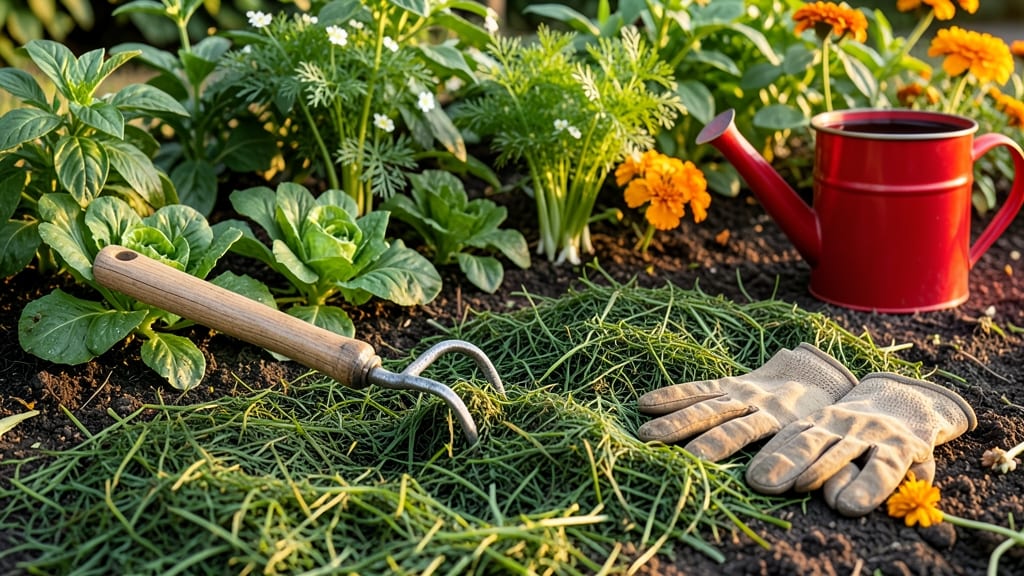
Putting grass clippings in your garden boosts soil fertility with natural nitrogen and organic matter, but only if you use them correctly—always mow them finely, spread them thinly, and avoid creating thick layers that can smother plants or attract pests. For best results, mix them into compost piles or use them sparingly around mature plants.
Grass clippings act like a slow-release fertilizer, breaking down to release nutrients over time. 🌱 Unlike synthetic fertilizers, they improve soil structure while feeding beneficial microbes, which in turn help plants absorb water and nutrients more efficiently.
I’ve found that clippings work best when combined with other organic materials like leaves or straw—they create a balanced mulch that retains moisture without compacting the soil.
For flower beds or vegetable gardens, apply a thin layer (about ¼ inch) after mowing, ensuring the blades are short to prevent clumping. Avoid piling them directly around young seedlings, as they can block sunlight and trap moisture, leading to rot.
Instead, use them as a top-dressing for established perennials or mix them into compost for a nutrient-rich amendment.
💡 In This Article
- How Grass Clippings Improve Soil Fertility
- Best Ways to Use Grass Clippings in Your Garden
How grass clippings improve soil fertility
Grass clippings are a powerhouse of nitrogen when properly managed. Fresh clippings contain about 4% nitrogen by dry weight, which is roughly equivalent to a light application of organic fertilizer.
When they decompose, this nitrogen becomes available to plants in a slow-release form, unlike synthetic fertilizers that can burn roots with sudden spikes. The decomposition process also releases other essential nutrients like phosphorus and potassium, though in smaller amounts.
The real magic happens below the surface. As clippings break down, they feed soil microbes—bacteria and fungi—that transform organic matter into nutrients plants can absorb. This microbial activity improves soil structure by creating tiny pores that enhance aeration and water retention.
Think of it like adding tiny air pockets to a dense soil, making it easier for roots to spread. 🌱 For comparison, a ¼-inch layer of clippings (about 1 pound per 100 square feet) can provide as much nitrogen as a ½-pound application of alfalfa meal, another popular organic fertilizer.
Unlike coarse mulches like wood chips, which decompose slowly and can deplete soil nitrogen, grass clippings break down in just 2-4 weeks when properly applied. This rapid decomposition makes them ideal for quick soil enrichment, but it also means they need to be used in the right amounts.
Too much can create a thick mat that blocks sunlight and traps moisture, leading to fungal growth. The key is balance—mix them with other organic materials like shredded leaves or straw to create a well-aerated mulch that retains moisture without suffocating plants.
Another advantage is their carbon-to-nitrogen ratio, which sits around 20:1. This ratio is perfect for composting, as it provides enough nitrogen to speed up decomposition without overheating the pile.
In contrast, materials like dry leaves have a much higher carbon-to-nitrogen ratio (around 80:1), which means they decompose more slowly. When you combine clippings with carbon-rich materials, you create an ideal environment for composting that produces a nutrient-rich soil amendment.
For gardeners using clippings as a mulch, the benefits extend beyond fertilization. The thin layer helps suppress weeds by blocking sunlight to emerging seeds while retaining soil moisture. This is especially useful in drought-prone areas, where mulching can reduce watering needs by up to 30%.
However, avoid using clippings treated with herbicides or pesticides, as these chemicals can harm plants and soil organisms. Always opt for organic lawn care practices to maximize the benefits.
One common misconception is that grass clippings will make soil too acidic. In reality, their pH-neutral nature (around 6.5-7.0) makes them safe for most plants. The real risk comes from improper application—thick layers can create anaerobic conditions, leading to foul odors and nutrient loss.
To prevent this, spread clippings evenly and lightly, especially in flower beds where delicate plants need optimal growing conditions.