
Tools
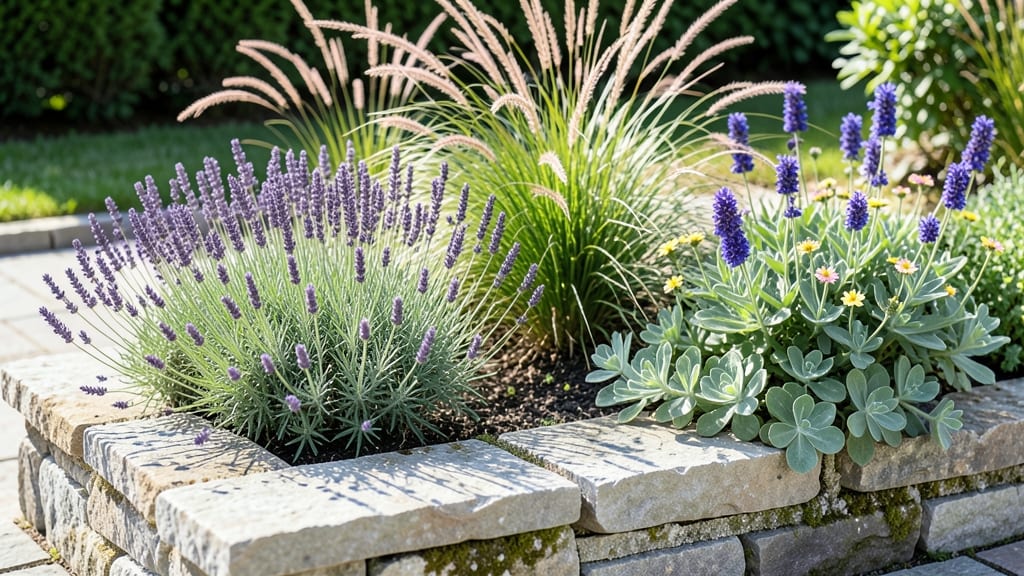
A raised patio garden bed transforms limited outdoor spaces into productive growing areas by eliminating the need for digging. Using lightweight framing (cedar or composite wood) and layered organic materials—like cardboard and compost—creates a fertile, weed-free planting zone ideal for herbs, vegetables, and flowers.
A raised patio garden bed solves two key challenges: limited space and soil quality. 🌱 The no-dig method preserves your patio surface while creating a customizable growing environment. Cardboard layers suppress weeds naturally, while compost and mulch provide nutrients without heavy soil.
This approach is especially valuable for urban balconies or small yards where traditional in-ground gardening isn't possible.
Unlike conventional raised beds that require heavy soil, this method uses lightweight materials that won't strain patio surfaces. The layered construction also improves drainage—critical for container gardening—while keeping roots contained. For best results, I recommend pre-drilling holes in wood frames to prevent moisture damage over time.
💡 In This Article
- No-Dig Raised Bed Construction for Patios
- Best Plants for Small-Space Raised Patio Gardens
No-dig raised bed construction for patios
The no-dig method for patio garden beds relies on a clever layering system that mimics natural soil formation without excavation.
At the base, you'll use a sturdy frame made from 2x6-inch cedar planks (naturally rot-resistant) or composite lumber (like Trex) that weighs about 2-3 pounds per square foot—light enough for most patios.
The key innovation is replacing traditional soil with a 3-4 inch cardboard barrier (unbleached, no tape/staples) that blocks weeds while breaking down into compost over time. This layering technique creates a self-fertilizing system as the cardboard decomposes.
Above the cardboard, you'll add a 4-6 inch layer of coarse mulch (like wood chips) for drainage, followed by 6-8 inches of high-quality compost mixed with 1-2 inches of worm castings for microbial activity. The compost shouldn't be too dense—aim for a fluffy texture similar to potting mix.
This combination gives plants immediate nutrients while maintaining excellent aeration.
What's fascinating is how this system mimics forest floor ecology, where fallen leaves and organic matter create fertile growing zones without human intervention. 🌿 The wood frame's height (typically 8-12 inches) also provides better root zone temperature regulation, protecting plants from patio surface heat.
Drainage becomes automatic with this method since the cardboard layer creates air pockets while allowing excess water to flow through the mulch. Unlike traditional raised beds that require soil amendments, this approach lets you customize fertility by adjusting the compost-to-mulch ratio.
For example, adding 10% coconut coir to your compost mix improves moisture retention for delicate herbs like basil. The system also prevents soil compaction—a common issue in patio gardening—since the lightweight materials don't settle over time. This makes it perfect for containers where root development is limited.
Material selection matters for longevity. Cedar naturally resists rot but costs about $3-$5 per board foot, while composite lumber runs $5-$8 per board foot but lasts 20+ years without maintenance. For maximum durability, pre-drill 1/4-inch holes every 12 inches in the frame to prevent moisture buildup.
The no-dig approach also eliminates the need for heavy machinery, making it ideal for renters or those with limited physical strength. What most people overlook is how this method actually improves soil quality over time—each season, the decomposing cardboard adds nitrogen while the mulch maintains structure.
Consider these key factors when building:
- Frame height: 10-12 inches works best for most vegetables, while 6 inches suits shallow-rooted herbs
- Compost quality: Use aged compost (6+ months) to avoid heat spikes that can harm plant roots
- Weed prevention: Overlap cardboard edges by 4 inches to eliminate gaps where weeds might sprout
- Drainage test: Pour 1 gallon of water on the completed bed—it should drain completely in 15-30 minutes
The beauty of this system is how adaptable it is to different patio materials. Whether you're working with concrete, pavers, or even a wooden deck, the no-dig approach creates a uniform growing environment.
The layered construction also makes it easier to rotate crops seasonally—simply remove the top 2-3 inches of compost and replace it with fresh mix. This prevents nutrient depletion and reduces disease buildup in the root zone.
For urban gardeners with limited space, this method turns even a 4x4 foot patio into a productive growing area that can yield 20-30% more than traditional in-ground planting. 🌱