
Tools
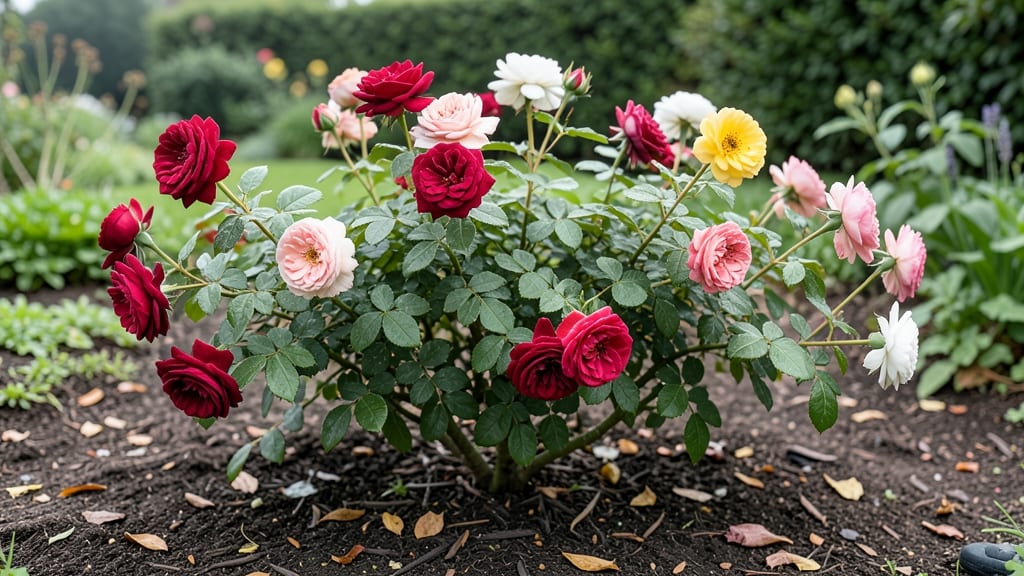
A rose garden in Seattle thrives in the Pacific Northwest’s mild, wet climate, featuring hardy hybrid teas, climbers, and native roses like the David Austin varieties. The best gardens bloom from late spring through fall, with peak beauty in June and July.
A rose garden in Seattle leverages the city's unique microclimates—cool summers, mild winters, and high humidity—to create vibrant displays year-round. 🌸 The marine influence actually benefits roses by reducing extreme heat stress, while the consistent rainfall keeps soil moist without over-saturating roots.
Local nurseries often recommend disease-resistant varieties like 'Knock Out' roses, which handle Seattle's damp conditions beautifully while still delivering stunning blooms.
Seattle's best rose gardens combine natural beauty with practical design, often incorporating native plants to support local ecosystems. For example, the Washington Park Arboretum features over 100 rose varieties arranged by color and fragrance, while the Seattle Japanese Garden blends traditional Japanese gardening techniques with Pacific Northwest roses.
These gardens typically peak in June and July, but many varieties extend blooming seasons into early fall.
💡 In This Article
- Climate and Soil Secrets for Seattle Rose Gardens
- Top Seattle Rose Gardens: Locations and Visiting Tips
Climate and soil secrets for Seattle rose gardens
Seattle's marine climate creates ideal conditions for roses by moderating temperature extremes. The city's average summer highs of 75-80°F prevent the heat stress that can scorch roses in hotter climates, while winter temperatures rarely drop below 30°F.
This mild range allows roses to enter dormancy gently rather than suffering frost damage. The high humidity (around 80-85% in summer) keeps petals hydrated, but it also demands careful disease management—especially for black spot and powdery mildew.
The ideal soil pH for Seattle roses sits between 6.0 and 6.5, slightly acidic to neutral.
Local volcanic soils often need amendment with compost and organic matter to improve drainage, as roses hate soggy roots. 🌱 Native roses like those from David Austin thrive in these conditions because they've evolved to handle Seattle's wet winters and acidic soils.
For example, the 'Gertrude Jekyll' rose naturally resists fungal diseases common in damp climates, making it a local favorite.
Drainage is critical—Seattle's frequent rainfall means water pools quickly. Gardeners often incorporate 10-20% sand or perlite to loosen clay-heavy soils. Raised beds with 2-3 inches of gravel at the bottom create perfect drainage while retaining moisture.
This technique works especially well for hybrid teas, which need consistent moisture but can't tolerate waterlogged roots.
Seattle's climate also extends blooming seasons. While most roses peak in June-July, varieties like 'Iceberg' and 'Double Delight' often rebloom in September when temperatures stay mild.
The city's 1,500+ hours of sunlight annually provides enough energy for roses to produce abundant flowers without the extreme heat that shortens blooming periods in southern climates.
Local nurseries recommend disease-resistant varieties like 'Knock Out' roses because their waxy leaves repel rainwater, reducing fungal spores. These roses also handle Seattle's 300+ rainy days per year better than delicate European varieties.
The trade-off? They may produce slightly smaller blooms, but their reliability makes them worth the compromise for Seattle gardeners.
Consider these soil preparation steps for optimal growth:
- Test your soil: Use a pH test kit to verify the 6.0-6.5 range before planting
- Amend with compost: Mix 2-3 inches of compost into the top 12 inches of soil
- Improve drainage: Add 1 part sand to 3 parts native soil for clay-heavy areas
- Mulch properly: Use 3-4 inches of wood chips to retain moisture while preventing soil compaction