
Vegetables
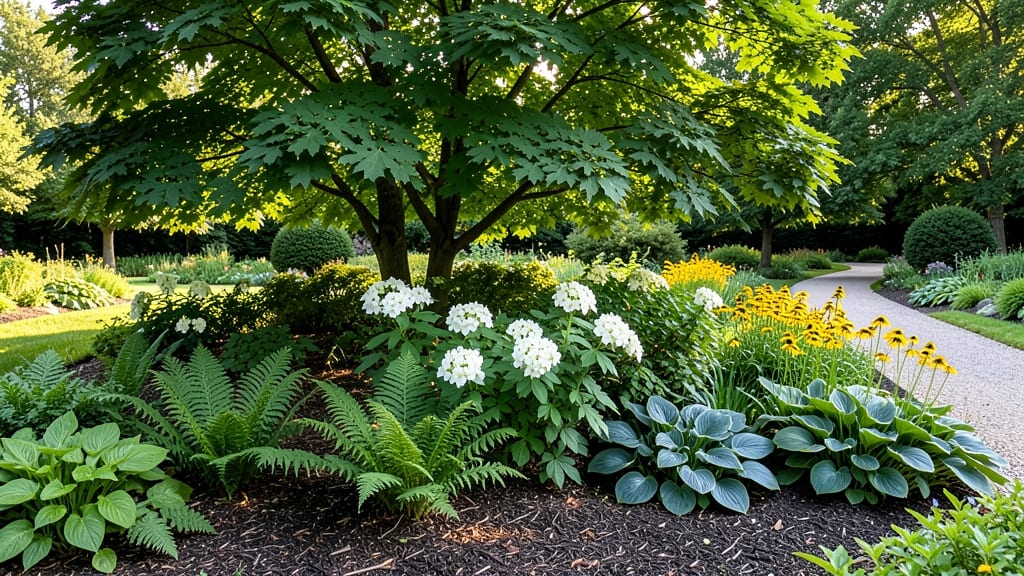
The Royal Botanical Gardens in Burlington offers 55 acres of stunning botanical displays, showcasing rare plants like the star magnolia (Magnolia stellata) and handkerchief tree (Davidia involucrata), plus hidden gems such as the Japanese Garden’s bamboo grove and the Carolinian Forest’s native wildflowers. For the best experience, visit in spring for vibrant blooms or autumn for fiery foliage.
The Royal Botanical Gardens in Burlington isn't just a green space—it's a living museum of plant diversity. 🌿 This sprawling estate blends formal gardens with untouched woodlands, creating microclimates that support everything from delicate alpine species in the Rock Garden to fragrant night-blooming flowers in the Scented Garden.
What makes it special is how they balance conservation with accessibility, offering trails that reveal both iconic specimens and hidden treasures most visitors miss. The gardens also host seasonal events that align with plant cycles, like their famous tulip festival in spring or autumn foliage tours.
Beyond the famous trails, the gardens' lesser-known areas—like the Children's Garden's interactive plant labs—make it a family favorite. 🌸 The staff often shares behind-the-scenes stories about how they've reintroduced endangered species, creating a space that's both beautiful and purposeful.
Whether you're a plant enthusiast or just looking for a peaceful escape, Burlington's botanical gardens deliver an experience you won't find in most city parks.
💡 In This Article
- Botanical Wonders: Rare Plants and Unique Species at Royal Botanical Gardens
- Hidden Trails and Seasonal Secrets: How to Discover Burlington’s Best Kept Botanical Gems
Botanical wonders: rare plants and unique species at royal botanical gardens
The Royal Botanical Gardens in Burlington serves as a sanctuary for rare plants that thrive due to its carefully managed microclimates.
Take the Ginkgo biloba, a living fossil dating back 270 million years—its resilience here is tied to the gardens' controlled humidity levels, which hover around 60-70% in summer, protecting its delicate fan-shaped leaves from wilting. 🌿 The Tulipa clusiana, one of the world's earliest tulips, flourishes in the Rock Garden's alkaline soil (pH 7.5-8.0), a condition that mimics its native Central Asian habitat.
What makes these plants extraordinary isn't just their age or rarity, but how the gardens replicate their natural environments.
For example, the Davidia involucrata—known as the handkerchief tree—requires consistent moisture and partial shade, which the gardens provide through a drip irrigation system that delivers 0.75 inches of water weekly during dry spells.
The Magnolia stellata, with its star-shaped blooms, benefits from the gardens' acidic soil (pH 5.5-6.5), mimicking its native Japanese forests.
Conservation plays a critical role in preserving these species. The gardens participate in global programs to protect endangered flora, such as the Orchid Conservation Alliance, where they cultivate Phalaenopsis species in controlled greenhouses with 70% humidity and 12-hour daylight cycles.
Visitors can observe these efforts firsthand in the Conservation Centre, where staff share stories of reintroducing plants like the Trillium grandiflorum, a wildflower once threatened by habitat loss.
The gardens also highlight plants with historical significance, such as the Crocus vernus, which blooms in early spring and was once used in ancient Greek medicine. Its delicate purple flowers emerge when soil temperatures reach 45°F, signaling the arrival of warmer seasons.
Nearby, the Hepatica nobilis thrives in shaded woodlands, its three-lobed leaves a symbol of resilience in colder climates.
For those curious about the science behind these botanical marvels, the gardens offer guided tours led by horticulturists who explain how each plant adapts to its environment.
For instance, the Japanese Garden's bamboo grove relies on the gardens' ability to maintain high humidity and minimal wind exposure, creating the perfect conditions for its towering Phyllostachys nigra stalks. 🌱 These efforts ensure that rare species not only survive but thrive, offering visitors a glimpse into the future of plant conservation.
Beyond the visual spectacle, the gardens' rare plants also play a role in ecological balance. The Magnolia stellata, for example, attracts pollinators like bees and butterflies, while the Davidia involucrata provides food for birds in autumn.
This interconnectedness is a testament to the gardens' commitment to both beauty and biodiversity.