
Planting
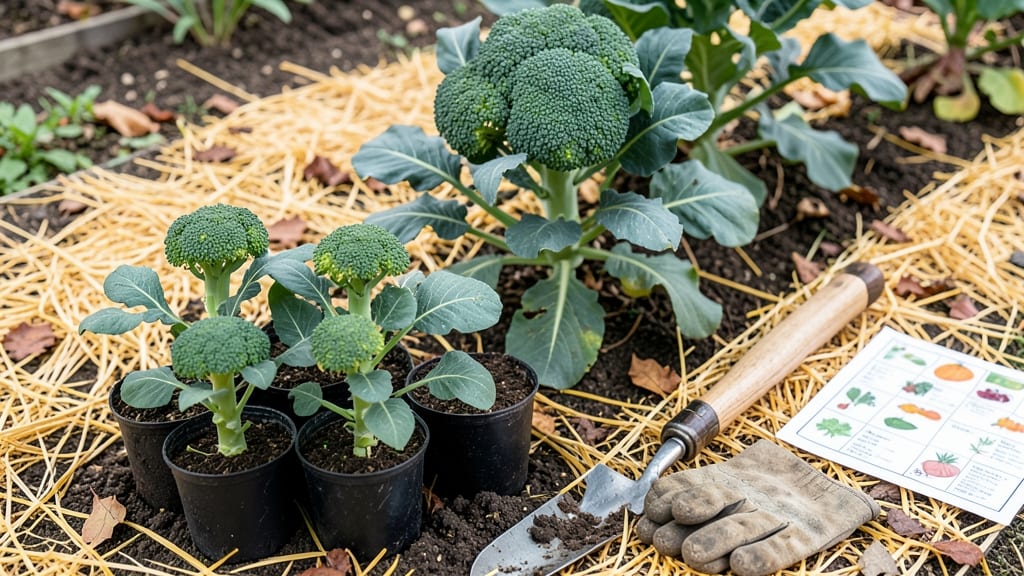
To plant a fall garden in Zone 7, aim for late August to early September—this timing lets cool-season crops thrive before frost arrives.
Missed your spring planting window? Don’t worry—Zone 7’s fall garden season offers a second chance to grow bountiful crops, but timing is everything. Plant too early and risk heat stress; too late and frost will cut your harvest short.
This guide breaks down the exact dates by plant type, from leafy greens to root crops, so you can maximize yields without guessing. We’ll also cover soil prep, microclimate adjustments, and how to extend your harvest into winter.
Whether you’re a beginner or a seasoned gardener, these tips will help you avoid common mistakes and enjoy a productive fall garden until the first frost.
Fall planting calendar for Zone 7: exact dates by plant type for success
Zone 7’s fall garden thrives when you align planting with cool-season crops and soil temperatures dropping below 80°F. The key is starting 4-6 weeks before your first frost (typically October 15 for Zone 7a, November 1 for Zone 7b).
This schedule ensures your leafy greens, brassicas, and root crops mature before winter sets in.
For optimal success, prepare your soil in late summer by adding compost and aged manure to improve drainage and fertility. Soil temperatures should ideally be between 50°F and 75°F for most fall crops. Test your soil’s pH—most cool-season plants prefer a range of 6.0 to 7.0.
Here’s your month-by-month planting guide, tailored to Zone 7’s climate. Use this as your roadmap to avoid heat stress in early plantings or frost damage if you wait too long.
| Plant Type | Best Planting Month | Days to Maturity | Ideal Soil Temp (°F) | Sunlight Needs | Notes |
|---|---|---|---|---|---|
| Leafy Greens (Spinach, Kale, Lettuce) | August–September | 30–60 days | 50–75°F | Full Sun–Partial Shade | Sow seeds directly; thin seedlings. |
| Brassicas (Broccoli, Cabbage, Brussels Sprouts) | July–August | 60–90 days | 60–75°F | Full Sun | Start indoors 4–6 weeks before transplanting. |
| Root Crops (Carrots, Beets, Radishes) | August–September | 40–70 days | 55–70°F | Full Sun | Loosen soil to prevent forking. |
| Herbs (Parsley, Cilantro, Dill) | August–September | 30–50 days | 50–70°F | Partial Shade–Full Sun | Bolt-resistant varieties preferred. |
| Flowers (Pansies, Snapdragons, Calendula) | August–September | 45–75 days | 55–70°F | Full Sun–Partial Shade | Deadhead for continuous blooms. |
| Garlic (Plant for Spring Harvest) | October (4–6 weeks before frost) | 240–270 days | 40–50°F | Full Sun | Use cloves from organic bulbs. |
For leafy greens like spinach and kale, aim for August sowing—they tolerate light frosts and even sweeten when exposed to 25–30°F temperatures. These crops grow quickly, so succession plant every 2 weeks until mid-September to ensure a steady harvest.
Brassicas such as broccoli and cabbage need more time to mature, so start them indoors in late July and transplant 4–6 weeks later. These plants thrive in cool weather but can handle light frosts. Use row covers if temperatures dip below 20°F to protect young seedlings.
Root crops like carrots and <
How to adjust planting times for Zone 7’s microclimates and soil conditions
Zone 7’s microclimates can shift planting windows by 2-4 weeks, so knowing your specific conditions is key. Urban areas often stay warmer longer than rural spots, while north-facing slopes cool faster.
Start by testing your soil temperature—most cool-season crops thrive between 45°F and 75°F—and adjust planting dates accordingly.
For urban gardeners, container gardening offers flexibility. Use black plastic pots to warm soil faster in early fall or opt for self-watering containers to maintain moisture in drier microclimates. Place pots near south-facing walls to extend sunlight exposure by 1-2 hours daily.
Soil prep is equally critical. Amend your beds with compost or aged manure to improve drainage and fertility, then mulch heavily with straw or shredded leaves to insulate roots. This extends the growing season by 2-3 weeks in cooler microclimates.
Test Soil Temperature
Use a soil thermometer—ideal temps for fall crops are 50°F-65°F. Plant leafy greens at 50°F+; root crops need 60°F+.
Adjust for Microclimates
Plant early in warm microclimates (e.g., urban heat islands) and delay in cool spots (e.g., north slopes). Shift dates by 1-2 weeks based on your location.
Choose Fast-Maturing Varieties
Select early-maturing varieties (e.g., ‘Early Wonder’ broccoli, ‘Baby’s Leaf’ lettuce) to harvest before frost. Aim for 30-50 days to maturity.
Use Row Covers for Protection
Apply floating row covers to extend harvests by 2-4 weeks. Remove during the day for pollination if growing cucumbers or squash.
Plan for Shorter Daylight
Reduce fertilizer use in late fall to avoid tender growth before frost. Focus on harvesting rather than new growth as daylight shortens.
For container gardening, prioritize deep pots (12"+) to accommodate root growth. Use lightweight potting mix with added perlite or vermiculite to prevent compaction. Water containers daily in hot microclimates and every other day in cooler areas to maintain moisture.
Finally, monitor local frost forecasts and use cold frames or cloches to protect tender crops like spinach or kale. With these adjustments, you can extend your harvest well into November or December in Zone 7.