
Tools
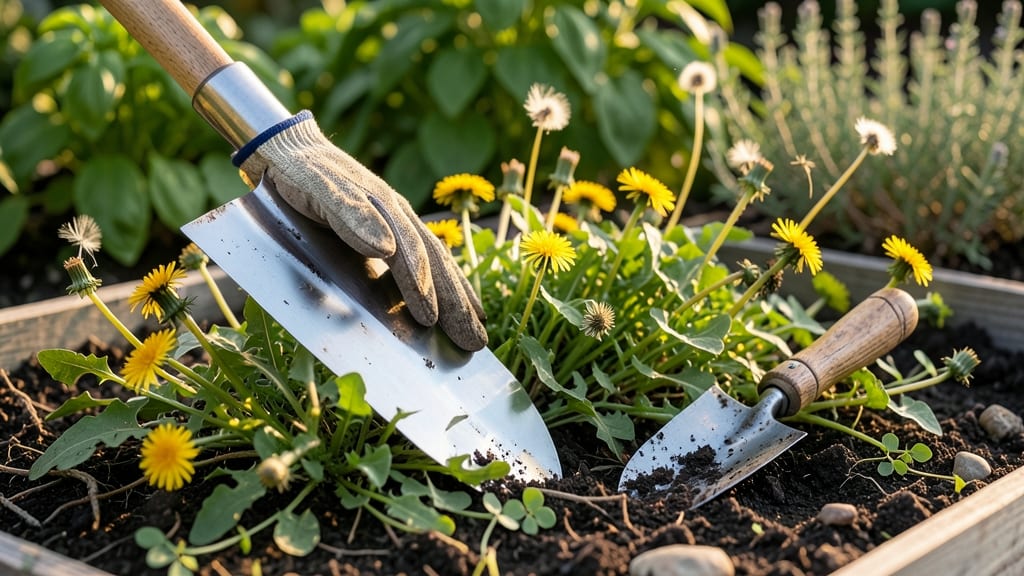
A sharp garden hoe needs blade angles between 30° and 45° for clean cuts, plus high-carbon steel or stainless steel to resist wear. Skip flimsy blades that warp under pressure.
A 30° blade excels at slicing through roots and compacted soil, while a 45° angle chops weeds at the base—ideal for garden beds. The right material matters too: high-carbon steel holds an edge longer but needs occasional oiling, while stainless steel resists rust but may dull faster with frequent use.
I’ve found that forged blades strike the best balance for most gardeners, offering durability without the maintenance hassle. 🔥
For example, a stainless steel hoe with a 40° blade works great for chopping through tough weeds in clay soil, while a high-carbon model with a 35° angle shines in sandy loam where precision matters.
Always check the blade thickness—thinner edges bend easily, while thicker blades last longer but require more force to use.
💡 In This Article
- How Blade Angles Affect Digging Efficiency
- Best Materials for Long-Lasting Sharp Garden Hoes
How blade angles affect digging efficiency
The blade angle of your garden hoe isn't just about aesthetics—it directly impacts how efficiently you can cut through soil and weeds. A 30° blade angle creates a sharp, slicing edge that glides through roots and compacted soil with minimal resistance.
This angle works best for precision tasks like removing weeds between rows or slicing through fine roots without disturbing surrounding plants. Think of it like a chef's knife: the sharper the angle, the cleaner the cut, and the less force you need to apply.
On the other hand, a 45° blade angle transforms your hoe into a chopping tool, ideal for severing weeds at the base or breaking up tough soil clumps. This wider angle distributes force more evenly, making it perfect for heavy-duty tasks in clay-heavy soils where roots are thick and stubborn.
For example, when tackling dandelions in a dense garden bed, a 45° angle will chop through the taproot more effectively than a 30° blade, which might just push the weed deeper into the soil. 🔥 The key is matching the angle to your soil type and the specific weeds you're targeting.
Flat-edged hoes with straight blades excel at clean, vertical cuts, while serrated edges provide extra grip and prevent slippage in loose or sandy soils. However, serrations can clog with soil particles over time, reducing efficiency.
I've noticed that hoes with a hybrid design—flat on one side and slightly serrated on the other—offer the best of both worlds: precision for clean cuts and texture for grip when soil gets slippery. This dual functionality is why many professional gardeners prefer these versatile models.
Soil texture plays a surprising role in angle effectiveness. In sandy loam, a 35° blade angle works wonders because the soil's loose particles don't resist the cut as much as compacted clay.
But in heavy clay, you'll want to lean toward a 40-45° angle to prevent the blade from getting stuck.
The angle also affects how much soil you lift per stroke—a steeper angle (closer to 45°) moves more soil but with less precision, while a shallower angle (30°) gives you finer control for delicate tasks like transplanting seedlings.
Here's a practical tip: If you're struggling with a particular soil type, try this test. Dig a small hole with your hoe and observe how the blade interacts with the soil. Does it slice cleanly or push the soil aside?
This visual feedback will help you determine whether you need a sharper (30°) or broader (45°) angle for your specific gardening needs. Most gardeners find that a 35-40° angle strikes the perfect balance for everyday use, accommodating both weeding and soil prep tasks. ✨
One common mistake is assuming that a sharper angle always means better performance. While a 30° blade is ideal for slicing, it can become less effective in very hard soils because the thin edge may bend or skip over tough roots.
That's why many high-quality hoes offer adjustable angles—allowing you to switch between tasks without needing multiple tools. For instance, a hoe with a detachable blade lets you swap between a 30° slicing edge and a 45° chopping edge depending on the job at hand.