
Landscaping
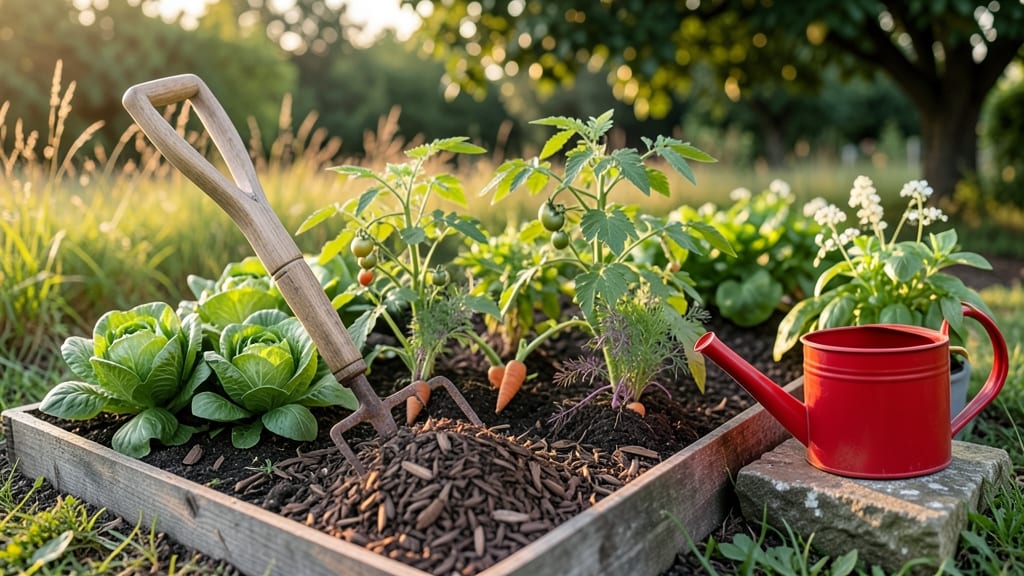
You should put mulch in your vegetable garden to control weeds, conserve water, and maintain steady soil temperatures, but stick to organic options like straw or shredded leaves—never plastic or untreated wood—and keep the layer 2-3 inches thick without touching plant stems.
Mulching transforms your garden by creating a protective barrier that blocks sunlight from weed seeds while locking in moisture for days longer than bare soil. 🌱 The right organic mulch also breaks down over time, enriching the soil with nutrients as it decomposes.
I've seen gardens where mulch reduced watering needs by nearly 40% while keeping roots cool in summer and insulated in winter—critical for heat-sensitive crops like lettuce or spinach.
What many gardeners overlook is the mulch's role in preventing soil compaction from foot traffic. A proper layer acts like a cushion, protecting delicate root systems while encouraging beneficial soil microbes to thrive.
For best results, refresh your mulch annually in early spring before planting, focusing on areas where weeds are most persistent.
💡 In This Article
- How Mulch Improves Vegetable Garden Soil and Plant Growth
- Best Mulch Types for Vegetable Gardens and Application Tips
How mulch improves vegetable garden soil and plant growth
Mulch works like a living blanket for your garden, creating a microclimate that protects plant roots from extreme temperatures. Organic mulches like straw or shredded leaves break down over time, releasing nutrients directly into the soil.
This decomposition process, called mineralization, converts complex organic matter into plant-available nitrogen, phosphorus, and potassium—critical nutrients for vegetable growth. For example, a 3-inch layer of straw can improve soil organic matter by up to 15% over a season, while also encouraging earthworm activity that aerates compacted soil.
The moisture retention benefits come from mulch's ability to block evaporation. Bare soil loses water 10-15 times faster than mulched soil because sunlight heats the surface, accelerating evaporation.
A 2-inch layer of wood chips can maintain soil moisture for 3-4 weeks longer between waterings, which is especially valuable during drought conditions.
The temperature regulation works similarly—mulch insulates roots, keeping them 5-10°F cooler in summer and 10-15°F warmer in winter than exposed soil, which prevents heat stress in sensitive crops like tomatoes or peppers.
What's fascinating is how mulch affects soil biology. The top 1-2 inches of mulch create a habitat for beneficial microbes that break down organic matter, while the layer below remains cooler and more stable. This microbial activity produces enzymes that help plants access nutrients more efficiently.
For instance, mycorrhizal fungi—symbiotic organisms that boost plant root systems—thrive in mulched soils, increasing nutrient uptake by 30-50% in some cases.
The contrast with inorganic mulches like plastic is stark: while plastic blocks weeds and retains moisture, it does nothing for soil health and can actually increase soil temperature by 15-20°F in hot climates.
One common misconception is that all mulches work the same way. Organic mulches improve soil structure over time by adding organic matter, while inorganic options like gravel or landscape fabric only provide temporary benefits. For vegetable gardens, organic mulches are ideal because they feed the soil ecosystem.
However, you must balance decomposition rates—fast-decomposing mulches like grass clippings release nutrients quickly but may need replenishing every 4-6 weeks, while slower-decomposing options like wood chips provide long-term benefits with minimal maintenance.
The physical protection mulch offers is equally important. When you walk on bare soil, you compact it, reducing oxygen availability to roots. A 3-inch mulch layer can reduce soil compaction by upstrong>50% while also preventing erosion from heavy rains.
This is particularly valuable in raised beds where soil is more vulnerable to drying out. The texture difference is noticeable too—mulched soil feels looser and more workable when you dig, compared to the dense, clumpy texture of unmulched garden soil after just a few weeks of foot traffic.
For maximum benefits, time your mulch application right. In spring, apply mulch after planting when soil temperatures are stable. In summer, maintain a 2-3 inch layer to protect against heat stress, and in fall, leave mulch in place to insulate roots through winter.
The key is consistency—mulch works best when it's a continuous layer, not just scattered clumps. This creates an even barrier that regulates temperature and moisture uniformly across your garden beds.