
Tools
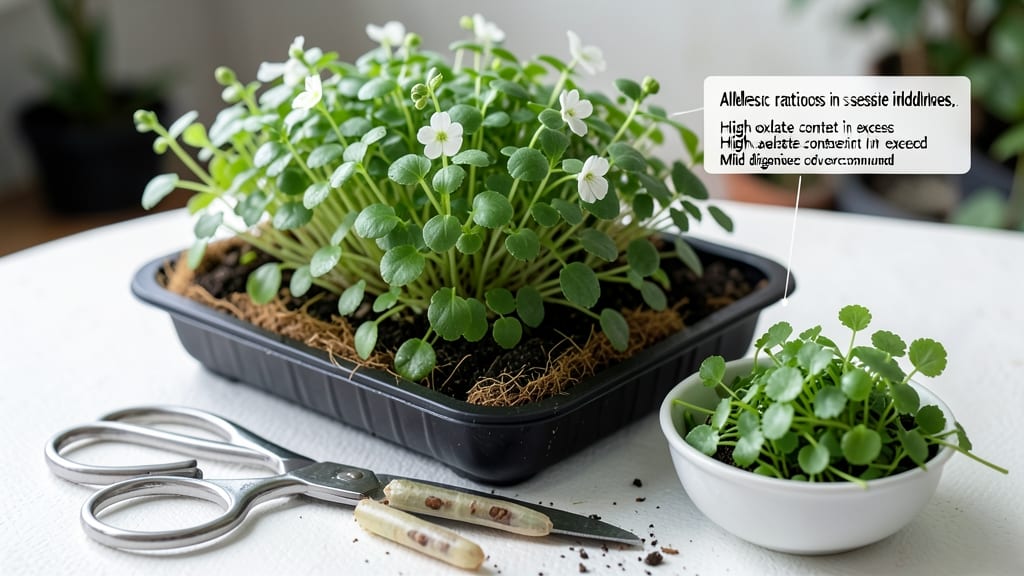
The side effects of garden cress seeds are minimal for most people, though excessive consumption can lead to mild digestive discomfort such as bloating or gas, and may trigger allergic reactions in sensitive individuals. Pregnant women should seek medical advice before consuming them due to potential hormonal influences.
Garden cress seeds contain natural compounds like sulfur and fiber that can cause digestive sensitivity when eaten in large quantities. 🌱 For example, their high fiber content may lead to bloating if you suddenly increase your intake without adjusting your diet gradually.
Some people also experience mild allergic reactions, especially if they're sensitive to mustard-family plants like radishes or horseradish. The phytoestrogens in these seeds might also interact with hormones, which is why pregnant women or those with thyroid conditions should exercise caution.
To minimize risks, I recommend starting with small amounts—about 1 teaspoon per day—and preparing them properly by soaking or lightly cooking to reduce potential irritants. Always check for freshness: spoiled seeds can cause additional stomach upset.
If you're new to garden cress, try it in small dishes like salads or smoothies to gauge your tolerance first.
💡 In This Article
- Potential Health Risks of Overconsuming Garden Cress Seeds
- Safe Consumption Guidelines for Garden Cress Seeds
Potential health risks of overconsuming garden cress seeds
Garden cress seeds contain natural compounds that can cause digestive discomfort when consumed in excess. Their high fiber content—about 25% by dry weight—can overwhelm your digestive system if you suddenly increase intake.
This fiber binds water in your intestines, which may lead to bloating, gas, or even mild diarrhea if your body isn't accustomed to it.
The seeds also contain sulfur compounds like glucosinolates, which break down into isothiocyanates during digestion—these can act as mild irritants in large quantities, similar to how mustard seeds affect some people.
The phytoestrogens in garden cress seeds, such as indole-3-carbinol and diindolylmethane (DIM), are the compounds that have drawn attention for their potential hormonal effects. These compounds can interact with estrogen receptors in your body, though research suggests they typically have a balancing effect rather than causing significant hormonal disruption.
However, pregnant women or those with thyroid conditions should be particularly cautious, as excessive intake might interfere with hormone regulation. For example, studies show these compounds can affect thyroid function in sensitive individuals by influencing iodine uptake.
Allergic reactions to garden cress seeds are rare but possible, especially for people with sensitivities to other cruciferous vegetables or mustard-family plants. The seeds share some protein structures with radishes, horseradish, and mustard, which means cross-reactivity can occur.
Symptoms might include itching, hives, or even mild swelling in sensitive individuals. If you notice these reactions after consuming garden cress, it's best to avoid them and consult an allergist, as reactions can vary widely in severity.
Another risk factor is the potential for goitrogenic compounds in raw garden cress seeds. These substances can interfere with thyroid function by inhibiting iodine absorption, though cooking significantly reduces their impact.
For context, raw cruciferous vegetables like broccoli contain similar compounds, but proper preparation (soaking or cooking) neutralizes most of their effects. This is why I always recommend preparing garden cress seeds by soaking them for 4-6 hours or lightly cooking them before consumption.
To put this into perspective, most people tolerate garden cress seeds well when consumed in moderation—think of it like adding a pinch of spice to a dish rather than eating a whole jar.
The key is balance: start with small amounts (like ½ teaspoon per day) and monitor how your body responds. If you experience persistent digestive issues or unusual symptoms, it's wise to reduce intake or consult a healthcare provider to rule out sensitivities or interactions with medications.
Finally, it's worth noting that the risks associated with garden cress seeds are generally mild compared to other seeds or herbs. For example, while excessive consumption might cause temporary discomfort, it lacks the toxicity found in some wild plants.
The focus should always be on preparation and portion control rather than avoiding them entirely—unless you fall into high-risk groups like pregnant women or those with thyroid conditions.