
Tools
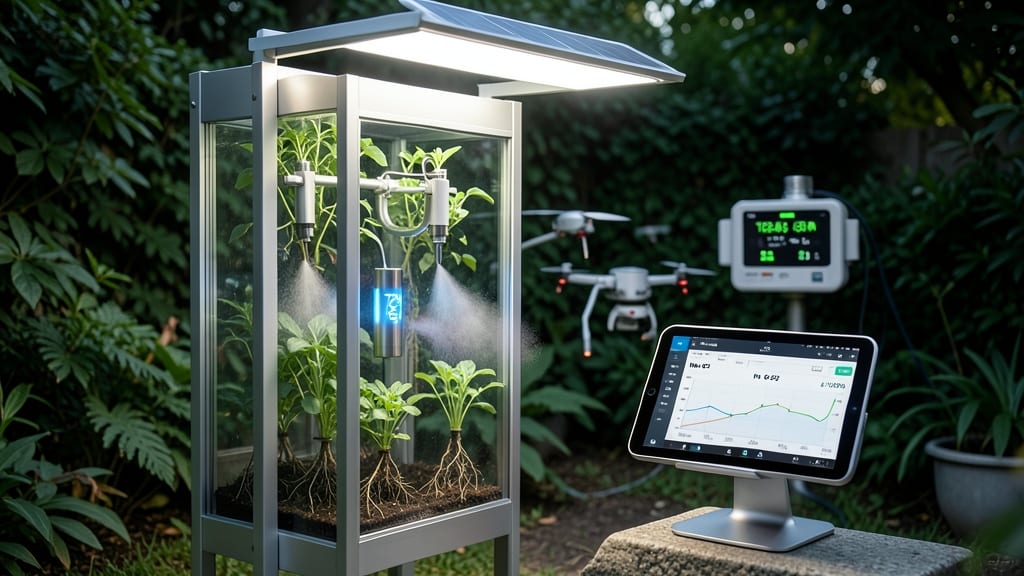
Smart garden news tracks the latest advancements in technology-driven gardening, including automated systems, internet-connected plant monitoring, and data analytics that help optimize growing conditions for both beginners and expert cultivators.
This field is evolving fast, with breakthroughs like AI-driven plant health diagnostics that analyze leaf conditions via smartphone cameras and self-watering hydroponic systems designed for urban apartments. 🌱 What makes this particularly exciting is how these innovations address real challenges—like water conservation and space limitations—while making gardening more accessible.
Many systems now integrate with voice assistants, so you can check soil moisture or adjust light cycles without lifting a finger.
For those just getting started, the most impactful tools often combine multiple functions—like sensors that track both moisture and temperature—rather than single-purpose gadgets. The best part? These solutions aren't just for commercial growers anymore; even small-scale gardeners can now replicate professional-grade conditions at home.
💡 In This Article
- How Smart Technology Is Transforming Home Gardening
- Top Smart Garden Tools and Systems to Watch in 2024
How smart technology is transforming home gardening
Smart gardening technology works by combining sensors, connectivity, and artificial intelligence to create a feedback loop between plants and their environment. At the core are IoT-enabled soil sensors that measure moisture, pH levels, and temperature with precision—often within a 1-2% margin of error.
These sensors typically use capacitive technology to detect water content without direct contact, similar to how some high-end fitness trackers monitor sweat levels.
The data gets transmitted wirelessly (usually via Bluetooth or Wi-Fi) to a central hub or smartphone app, where AI algorithms analyze patterns over time to predict optimal watering schedules.
What makes this particularly powerful is how these systems adapt to individual plant needs. For example, a tomato plant might require 1.5-2 inches of water per week during its fruiting stage, while a basil plant thrives with 1 inch weekly—but only when the top inch of soil feels dry.
Smart irrigation systems like Rachio Smart Sprinkler Controller can automatically adjust watering cycles based on real-time weather forecasts and soil data, reducing waste by up to 30-50% compared to traditional timers. The automation also eliminates the guesswork in manual watering, which is where most overwatering (and subsequent plant death) occurs.
Beyond water management, smart grow lights have revolutionized indoor gardening by mimicking natural sunlight spectra with LED arrays that emit specific wavelengths. For instance, blue light (400-500nm) promotes leafy growth, while red light (600-700nm) encourages flowering—something traditional bulbs can't replicate.
Systems like Sprout Pro adjust light cycles automatically, providing 14-16 hours of light during vegetative stages and 12 hours during flowering, all while tracking plant progress through built-in cameras.
This level of control means you can grow year-round regardless of your location's climate, with yields that often match or exceed outdoor harvests.
The real magic happens when these technologies integrate with other smart home ecosystems. Imagine your garden system detecting low soil moisture at 7 AM and automatically triggering your smart sprinkler while you're still in bed.
Or receiving a push notification when your leafy greens need harvesting based on growth stage data. Some advanced setups even sync with weather APIs to pause watering if rain is forecasted within 24 hours.
The result is a hands-off approach that not only saves time but also creates more consistent growing conditions than most home gardeners could achieve manually.
For those concerned about the learning curve, most systems now feature beginner-friendly interfaces with step-by-step setup guides. For example, Click & Grow Smart Garden uses pre-seeded pods that simply snap into place, while the app handles all lighting, watering, and nutrient delivery automatically.
The sensory experience is also more rewarding—being able to see real-time growth charts and receive alerts when your plants are thriving (or need attention) creates a deeper connection to the gardening process. It's like having a personal horticulturist in your home, but without the hourly wage.
What's particularly exciting is how these technologies are making urban farming viable on balconies and windowsills. A 10x10 inch smart planter can now produce 2-3 times the yield of traditional containers because of optimized growing conditions.
The environmental impact is significant too—smart systems reduce water usage by up to 60% in some cases, and the precision of nutrient delivery means fewer chemicals are needed. It's not just about convenience; it's about creating a more sustainable way to grow food at any scale.