
Planting
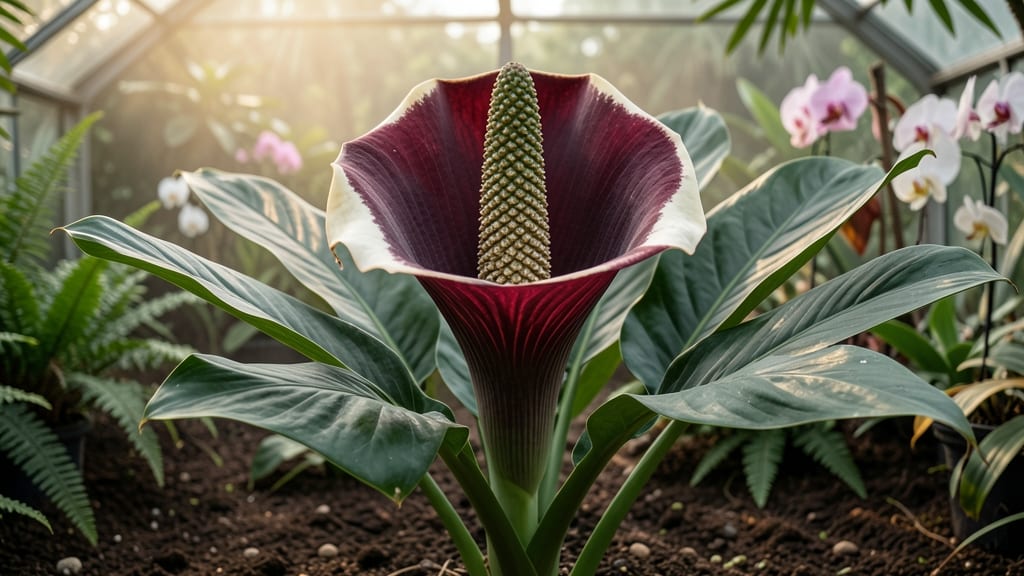
Botanical gardens often feature smelly plants like the Stinking Corpse Lily, Skunk Cabbage, and Rafflesia arnoldii, whose rotting-meat and sulfuric odors attract flies and beetles as pollinators in their natural ecosystems.
These plants use their foul scents as a clever evolutionary trick to survive. 🌿 Many botanists compare their chemical compounds—like thiols and amines—to the decaying flesh that flies instinctively seek out.
The Rafflesia arnoldii, for example, produces a stench so intense it can be detected from 30 feet away, making it one of nature's most extreme pollination strategies. While their odors might be off-putting to humans, they play a vital role in maintaining biodiversity by supporting insect populations.
If you're curious about growing these plants, most require humid, shaded conditions and well-draining soil. However, handling some—like Rafflesia—demands caution, as their sap can be toxic.
Specialty nurseries or conservation programs are your best bet for sourcing rare specimens, though patience is key, as many take years to mature and bloom.
💡 In This Article
- Why Do Some Botanical Garden Plants Smell So Strong?
- Cultivating Smelly Plants: Tips for Gardeners and Botanical Enthusiasts
Why do some botanical garden plants smell so strong?
These plants evolved to produce foul odors as a sophisticated pollination strategy. Their scents mimic rotting meat or sulfur compounds, which trigger the same instinctual response in flies and beetles that seek out decaying organic matter.
For example, the Stinking Corpse Lily (Amorphophallus titanum) releases a scent resembling a dead animal, complete with volatile organic compounds like dimethyl disulfide—similar to what you'd find in spoiled cabbage or gym socks. 🔥 This chemical cocktail isn't random; it's a precise evolutionary adaptation to lure pollinators without offering edible rewards.
The mechanism works through specialized cells in the flower that produce these compounds in pulses, often peaking at night when flies are most active. Studies show that Rafflesia arnoldii can emit odors containing cadaverine and putrescine—amines found in decomposing flesh—at concentrations detectable up to 100 meters away.
These plants even regulate scent intensity based on environmental cues, like humidity and temperature, to maximize pollinator visits. Unlike fragrant flowers that rely on visual cues, these species "cheat" the system by exploiting the pollinators' sense of smell.
This strategy isn't unique to these plants—carnivorous species like the Pitcher Plant (Nepenthes) use similar chemical signals to attract insects for nutrition. However, the botanical garden species take it further by combining scent with visual deception: their flowers often appear bruised or decaying to enhance the illusion.
For instance, Skunk Cabbage (Symplocarpus foetidus) produces heat to accelerate scent dispersion, creating a warm, moist microclimate that mimics a rotting carcass. 💫 This dual approach makes their pollination tactics some of nature's most elaborate survival mechanisms.
What makes this even more fascinating is how these plants balance their chemical warfare. While their odors repel humans and many animals, they precisely target specific pollinators. For example, Rafflesia primarily attracts carion flies (Diptera), which are drawn to the scent but don't feed on the flower itself.
This targeted approach ensures energy isn't wasted on attracting non-pollinators. The trade-off? These plants often produce fewer, larger flowers with high energy demands, making them rare and challenging to cultivate.
Botanists classify these scents into three main chemical families: thiols (smelling like garlic or rotten eggs), amines (like decaying flesh), and terpenes (often fruity but can mimic fermentation). The Stinking Corpse Lily, for instance, combines all three in its bloom, creating a multi-layered olfactory assault.
This complexity explains why some gardeners describe the aroma as "a cross between a gym locker and a compost heap"—a sensory experience that's equal parts fascinating and overwhelming. 🌟
Understanding these mechanisms reveals why these plants thrive in specific ecosystems. Their foul odors are a testament to nature's ingenuity, turning what we perceive as disgusting into a highly effective survival strategy. For botanical gardens, this means these plants aren't just curiosities—they're living examples of evolutionary adaptation in action.