
How To
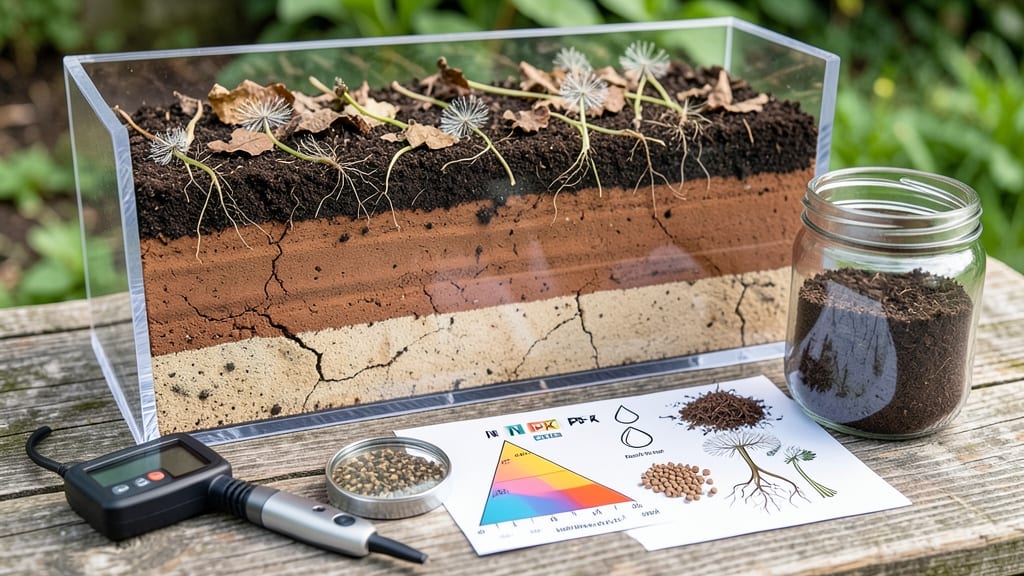
Soil science for gardeners means mastering pH levels, organic matter, and nutrient balance to help plants thrive—start with simple tests like vinegar/baking soda or pH strips, then amend with lime (for acidity) or sulfur (for alkalinity) based on what your plants actually need.
Understanding your soil's chemistry is like knowing your plants' language—it tells you exactly what they need to grow strong. 🌱 The pH scale (0-14) determines which nutrients plants can access, and most vegetables prefer a slightly acidic to neutral range (6.0-7.0).
For example, blueberries demand acidic soil (4.5-5.5), while tomatoes thrive in the 6.0-6.8 range. Even a small shift can lock out essential minerals like nitrogen or phosphorus, leaving your plants struggling despite your best care efforts.
Beyond pH, organic matter acts as the soil's life support system, holding moisture and nutrients while feeding beneficial microbes. 💫 A quick way to boost it is by adding compost or well-rotted manure—this improves soil structure and helps buffer pH swings over time.
The key is testing regularly (every 1-2 years) because amendments like lime or sulfur take months to fully integrate into the soil ecosystem.
💡 In This Article
- How Soil pH Affects Plant Nutrition and Growth
- DIY Soil pH Testing and Adjustment Methods
How soil pH affects plant nutrition and growth
Soil pH directly controls which nutrients your plants can absorb—think of it as a lock-and-key system. For instance, at a pH of 5.5, iron becomes highly available, but calcium and magnesium lock up, making them inaccessible to roots.
Blueberries, which love acidic soil (4.5-5.5), will suffer from calcium deficiency if the pH rises above 6.0, causing stunted growth or yellowing leaves. Conversely, tomatoes, which prefer 6.0-6.8, will struggle to uptake phosphorus in overly acidic soil, leading to poor flowering and fruiting. 🌿
The pH scale isn't just about numbers—it shapes microbial activity too. Beneficial bacteria and fungi thrive in slightly acidic to neutral conditions (6.0-7.0), breaking down organic matter into plant-available nutrients. In alkaline soils (7.5+), these microbes slow down, reducing decomposition and nutrient cycling.
For example, compost decomposes 30-50% faster in soil with a pH of 6.5 compared to 8.0, where microbial populations dwindle. Even root function changes: acidic soils (5.0-6.0) can increase aluminum toxicity, damaging fine root hairs that absorb water and nutrients.
What most gardeners overlook is how pH affects soil structure. Clay particles, which hold nutrients, repel each other in alkaline conditions, creating larger pores that drain water too quickly.
In acidic soils, these particles clump together, reducing aeration and root penetration. 🌱 This is why amending soil isn't just about adding lime or sulfur—it's about restoring the balance that keeps roots healthy and microbes active.
For instance, adding 1 pound of elemental sulfur per 100 square feet can lower pH by 1.0-1.5 points over 2-3 months, but it also feeds microbes that improve soil aggregation.
Specific plants have dramatic responses to pH shifts. Azaleas and rhododendrons wilt if soil pH exceeds 5.5, while asparagus and broccoli need near-neutral conditions (6.5-7.0) to prevent nutrient deficiencies. Even herbs react: thyme and rosemary prefer 6.0-7.5, while parsley thrives in 6.0-6.8.
The key is matching your soil's chemistry to your plants' needs—like giving them the right "soil personality" to unlock their full potential. 🌱
Here’s a quick reference for common garden plants and their ideal pH ranges:
- Acid-loving plants (4.5-5.5): Blueberries, azaleas, potatoes, hydrangeas (blue flowers)
- Neutral-loving plants (6.0-7.0): Tomatoes, peppers, beans, most vegetables
- Alkaline-tolerant plants (7.0-8.0): Asparagus, lavender, lilacs, some herbs
Testing your soil’s pH isn’t just about picking the right amendments—it’s about creating an environment where roots can thrive, microbes can work, and nutrients are available when plants need them most. 💫