
Planting
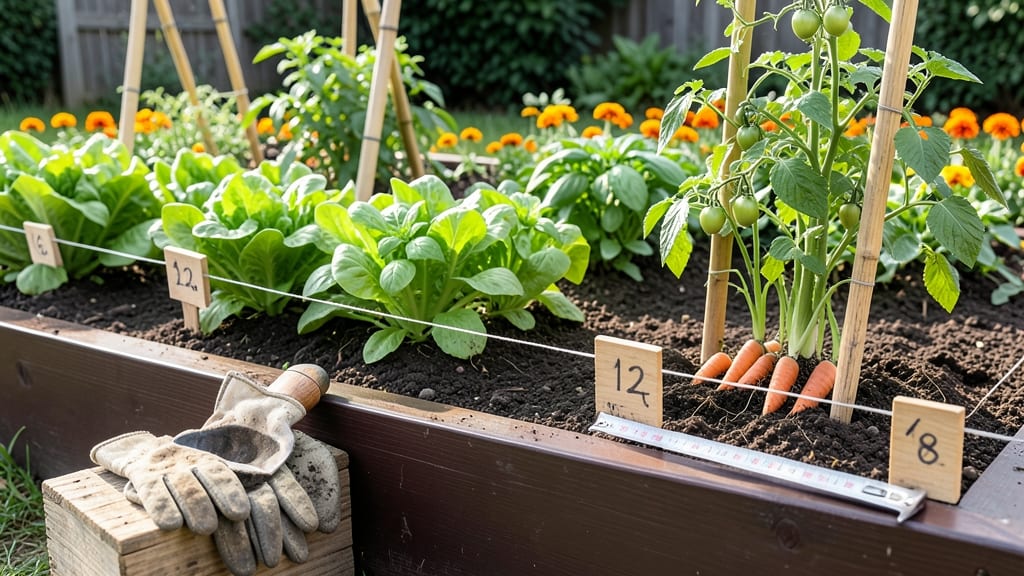
Spacing for garden plants requires careful planning based on mature size and growth habits—typically 12 to 36 inches apart for herbs, 18 to 36 inches for vegetables, and 6 to 10 feet for trees or shrubs. Always check plant tags for specific guidelines to ensure proper airflow, sunlight exposure, and root development.
Plant spacing isn't just about aesthetics—it's about giving each plant room to thrive. 🌱 Herbs like basil and thyme can handle closer spacing (12-18 inches) because they stay compact, while sprawling vegetables like tomatoes need more elbow room (24-36 inches) to prevent disease and maximize fruit production.
For trees and shrubs, wider spacing (6-10 feet) ensures strong root systems and prevents competition for nutrients. I've learned the hard way that cramming plants together leads to weaker growth and more pests—always trust the plant tag guidelines!
What's interesting is how spacing affects plant behavior. For example, carrots need loose soil and plenty of space to grow straight, while bush beans can tolerate closer planting because they're more adaptable.
The key is balancing density with airflow—too close, and you risk fungal issues; too far, and you waste garden space. I recommend sketching a simple layout before planting to visualize how mature plants will interact.
💡 In This Article
- How Plant Type Determines Garden Spacing Needs
- Adjusting Plant Spacing for Containers and Raised Beds
How plant type determines garden spacing needs
Plant spacing requirements stem from each species' mature size, growth habit, and resource needs. For instance, leafy greens like lettuce or spinach can thrive in rows just 6-12 inches apart because they grow quickly and don't need deep root systems.
Their shallow roots compete minimally for space, but you'll notice how they bolt (flower prematurely) faster when crowded. In contrast, root vegetables like beets or parsnips need 3-4 inches between seeds to develop properly—their fibrous roots spread outward, and competition leads to deformed shapes.
The real science lies in how plants compete for three critical resources: sunlight, water, and nutrients. Tall plants like sunflowers or corn (which can reach 6-10 feet) need 12-18 inches between plants to avoid shading their neighbors, which stunts growth.
The upper canopy blocks 70-80% of light at ground level, creating "shade zones" where weaker plants struggle. Even perennials like lavender (which stays 18-24 inches tall) need this spacing to prevent fungal diseases that thrive in damp, crowded conditions.
Herbs present fascinating variations—basil and cilantro can handle 12-18 inches spacing because they're bushy but short-lived, while rosemary and thyme (woody perennials) need 24-36 inches to establish strong root systems. 🌿 The key difference? Basil grows quickly and self-seeds, while rosemary spreads slowly but lives for decades.
Overcrowding basil leads to leggy stems, while thyme becomes woody and loses its fragrant leaves. Always match spacing to the plant's natural lifespan and growth pattern.
Vegetables demonstrate how growth habit dictates spacing. Tomatoes, whether indeterminate (vining) or determinate (bush), need 18-24 inches between plants to prevent blight—crowded foliage traps moisture, creating perfect conditions for fungal spores.
Carrots, however, need 2-3 inches between seeds to avoid forking (split roots), while onions can tolerate 4-6 inches because they grow in clusters. The rule? Spacing should accommodate both the plant's mature size AND its natural growth pattern—whether it spreads horizontally (like squash) or vertically (like pole beans).
Trees and shrubs follow entirely different rules because their root systems extend far beyond their canopies. A blueberry bush, which matures at 3-4 feet wide, needs 4-6 feet between plants to prevent root competition.
The roots of mature fruit trees (like apple or peach) can spread 10-15 feet wide, which is why orchards space trees 20-30 feet apart. This wide spacing ensures each tree gets adequate nutrients and water from deep soil layers, preventing the stunted growth you see in overcrowded urban landscapes.
What most gardeners overlook is how spacing affects pollination and fruit set. For example, squash plants need 3-4 feet between vines to ensure bees can access flowers easily—crowded vines lead to poor pollination and fewer fruits.
Similarly, strawberries need 12-18 inches between plants to develop strong runners. The lesson? Spacing isn't just about avoiding competition—it's about creating an ecosystem where each plant can thrive in its natural form.