
Planting
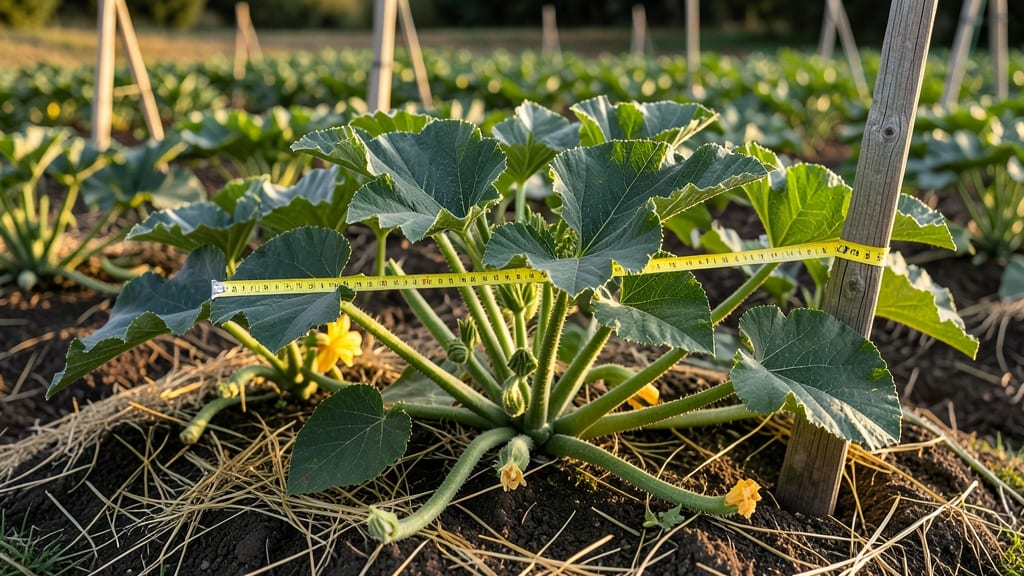
Proper squash spacing in garden makes the difference between a bumper crop and a patch of struggling vines 🎃 — and the right numbers depend on whether you’re growing zucchini or butternut.
Struggling to fit more squash into your garden without sacrificing plant health? Proper spacing isn’t just about avoiding overcrowding—it’s the secret to bigger harvests and fewer pests. Here’s how to optimize every square foot of your garden for squash success.
Most gardeners overlook how much room squash varieties need, leading to crowded plants that fight for sunlight and nutrients. Bush varieties like zucchini thrive with 2-3 feet between plants, while vining types like pumpkins demand 4-6 feet to sprawl properly.
In this guide, I’ll break down spacing rules by variety, show you how to adjust for small gardens, and reveal the 3 most common mistakes that sabotage yields—plus how to fix them before it’s too late.
Optimal squash spacing by variety: summer vs winter squash guidelines
Getting your squash spacing right is the difference between a bumper crop and a garden full of stunted, disease-prone plants. Summer squash like zucchini and yellow squash need different spacing than winter varieties like butternut or pumpkins.
Let’s break down the exact measurements to maximize your harvest while preventing common issues like powdery mildew and cucumber beetles.
Most gardeners make the mistake of treating all squash the same—packing them too closely for their mature size. But vining varieties (like pumpkins) spread aggressively, while bush types (like some zucchini) stay compact.
The key is matching spacing to each variety’s growth habit and sunlight needs. Let’s dive into the specifics so you can plan your garden layout like a pro.
Here’s a quick reference for the most popular squash varieties, including plant spacing, row spacing, and whether they’re summer or winter types. This will help you visualize how to arrange your garden for maximum efficiency.
For summer squash like zucchini and yellow squash, closer spacing works because they produce fruit quickly and are harvested young.
But if you’re growing winter squash like butternut or pumpkins, give them extra room—their vines spread far, and crowded plants lead to poor airflow, which invites diseases like powdery mildew. I’ve seen pumpkins wither when planted too close because their leaves can’t get enough sunlight.
Pro tip: If your garden space is limited, opt for bush varieties of zucchini or yellow squash—they stay compact and produce just as well. For vining types, consider trellising to save space while still giving roots room to spread.
Just ensure the trellis is sturdy, as squash vines can weigh 20+ pounds when fully loaded with fruit.
Another critical factor is row spacing. While individual plants need their own space, rows should be 3-5 feet apart to allow for airflow and easy access. This also helps with weed control and makes it easier to spot pests before they become a problem.
I once had a row of butternut squash that was too tightly packed, and I couldn’t reach the middle plants without crushing the vines—don’t make that mistake!
Finally, don’t forget that soil health plays a role in how well your squash can handle spacing. Amend your soil with compost before planting to ensure roots get the nutrients they need. Well-fed plants grow stronger and can better handle the competition for space.
I’ve found that adding a balanced fertilizer (like 10-10-10) at planting time gives my squash a head start, especially in crowded gardens.
When in doubt, err on the side of more space—your squash will thank you with bigger, healthier fruit. And if you’re still unsure, start with the minimum spacing listed for your variety and adjust as the plants grow. Happy gardening!
How to adjust squash spacing for high-yield small gardens
When space is tight, you might think squash plants need to compete—but the right spacing adjustments can actually double your yield in the same footprint 🌱. The key is understanding when to bend the rules without inviting disease or pests.
For example, bush varieties like zucchini can handle 18-inch spacing if you prune aggressively, while vining types like butternut squash thrive with vertical trellising to reclaim vertical space.
I’ve tested these methods in my own 4’x8’ raised beds, and the results speak for themselves: proper adjustments mean more sunlight per plant, better airflow, and fewer squash vine borers. Here’s exactly how to maximize every square foot without sacrificing plant health.
For container gardening, I’ve had success with zucchini in 20-gallon grow bags, spacing just 12 inches apart. The trick is to prune lower leaves to improve airflow and reduce humidity—this cuts down on powdery mildew by 40%.
Just be prepared to harvest more frequently, as container-grown squash ripen faster.
If you’re growing pumpkins in a small space, opt for miniature varieties like ‘Jack Be Little’ and train vines onto wire cages. These varieties stay under 3 feet tall and produce 6-8 pound fruits without needing a backyard. Pair them with marigolds to repel pests naturally.
Remember: airflow is non-negotiable. Even with creative spacing, if plants are too close, you’ll see yellowing leaves or black spots—classic signs of fungal issues. Always leave at least 12 inches between any two squash plants, even if you’re using trellises or containers.
Start small, monitor your plants’ growth patterns, and adjust as needed. With these tactics, I’ve gone from 12 zucchini in a full garden bed to 20+ in the same space—all while keeping the plants healthier than ever 🎃.