
Flowers
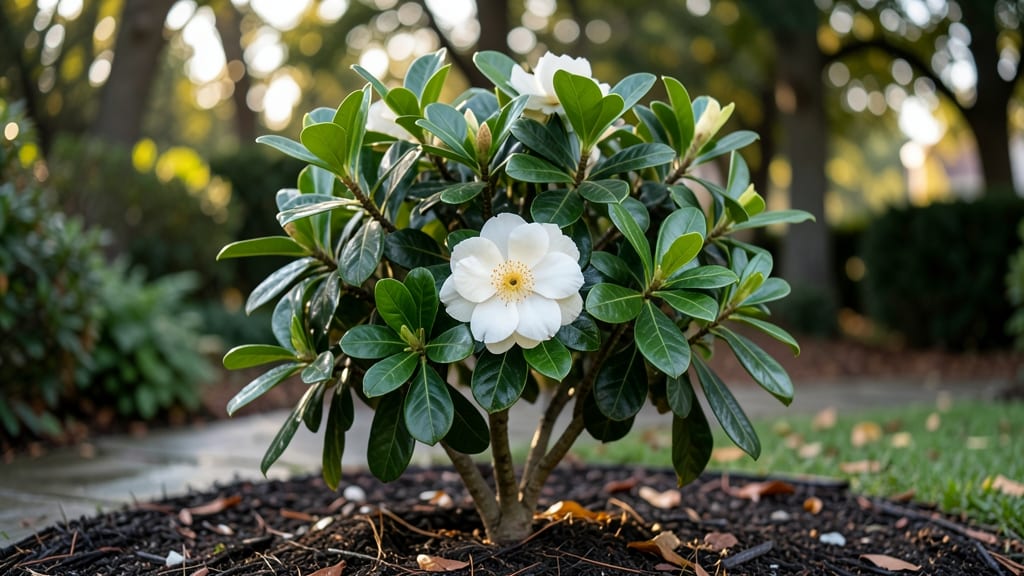
Winter gardenias look like a dramatically different version of their fragrant, blooming spring selves—but their sturdy stems and glossy leaves still reveal their identity when you know what to look for.
If you’ve ever wondered whether your gardenia plant has vanished or simply gone dormant for winter, you’re not alone—many gardeners struggle to recognize their beloved shrubs in their bare-bones state.
Unlike some shrubs that shed all their leaves, gardenias often keep a few evergreen foliage patches, especially in milder climates like USDA Zone 6a. The key is spotting the thick, leathery leaves and the distinctive dark green stems that set them apart from dead wood or other winter-bare plants.
Below, I’ll show you how to identify dormant gardenias by their foliage patterns, when to expect leaf drop, and why pruning in winter can actually harm your plant—plus, how to protect them from frost until spring blooms return.
Identifying gardenia stems and branches in winter: key visual clues
Winter can turn your lush gardenia shrub into a mystery—its glossy leaves vanish, leaving only bare branches. But don’t assume your plant has died! Gardenias have distinctive winter characteristics that help you identify them even when dormant.
The key lies in their stem structure, bark texture, and branch patterns, which remain visible year-round.
First, focus on the stem color and thickness. Healthy gardenia stems are greenish-brown with a slightly glossy sheen, especially near the base. Younger stems may appear lighter green with a smooth texture, while older branches develop a slightly rougher bark.
These visual cues help distinguish them from dead wood, which is grayish-brown and brittle.
Gardenias also grow in upright, arching branches that create a rounded, bushy shape even in winter. Unlike some shrubs that grow in dense clusters, gardenia branches spread outward with spaced-out nodes where leaves once grew.
This open branching habit is a dead giveaway when other plants look like solid walls of wood.
Now, let’s compare these clues in a quick reference guide to help you spot your gardenia in winter’s bare state.
| Feature | Gardenia in Winter | Comparison Point |
|---|---|---|
| Stem Color | Greenish-brown with glossy sheen | Dead wood: Gray/brown, dull |
| Bark Texture | Smooth to slightly rough | Other shrubs: Often rougher or scaly |
| Branch Shape | Upright, arching, spaced nodes | Dense clusters: Compact, tightly packed |
| Leaf Buds | Small, plump buds at nodes | Dormant plants: Often shriveled or absent |
| Growth Pattern | Open, airy structure | Tight growth: Dense, crowded branches |
Pay close attention to the leaf buds hidden along the branches. Gardenias often retain tiny, plump buds at the nodes where leaves once grew. These buds may look shriveled but firm—a sign your plant is alive and preparing for spring.
If you gently squeeze a bud and feel resistance, it’s a healthy indicator. In contrast, dry, crumbly buds suggest the plant has died.
Another trick is to check for new growth signs near the base of the plant. Even in winter, gardenias may produce small green shoots or tiny leaves if the climate is mild.
These emerging growth points confirm your plant is still active, not dead. Look for bright green hues or soft new branches—these are your gardenia’s way of saying, “I’m still here!”
To avoid confusion, compare your gardenia’s branches to other common shrubs in your garden. Oleanders, for example, have thicker, darker stems with a scaly texture, while camellias often grow in denser clusters with reddish-brown stems.
Gardenias stand out with their upright, arching form and spaced-out nodes, even when leafless.
If you’re still unsure, perform a scratch test on the stem. Scratch a small section of bark with your fingernail—green underneath means the stem is alive, while brown or dry layers indicate death. This simple test can save you from assuming the worst about your gardenia’s winter appearance.
Finally, remember that gardenias are evergreen in warmer climates but may lose some leaves in colder zones. If your plant retains a few small, dark green leaves, it’s likely just dormant, not dead.
These winter leaves are often thicker and tougher than summer foliage, helping the plant conserve energy.
With these visual clues, you’ll never mistake your gardenia for dead wood again. Next time winter strips your shrub bare, take a closer look—your gardenia’s stems and branches are still telling its story. 🌿
Why gardenias lose leaves in winter: dormancy vs. disease
Gardenia plants naturally shed some or all of their leaves in winter as part of their dormancy cycle. This seasonal change isn't cause for alarm—it's how they conserve energy in cooler months.
In milder climates (Zones 8-10), gardenias may retain a few evergreen leaves, while those in colder regions (Zones 6-7) often lose nearly all foliage until spring. The key difference between natural dormancy and disease lies in the timing and appearance of the leaf drop.
Dormant gardenias typically begin shedding leaves in late fall (October-November), gradually transitioning to a bare or semi-bare state by winter. The remaining leaves, if any, will appear smaller, darker, and thicker than their spring counterparts.
In contrast, diseased plants may drop leaves suddenly, show yellowing or brown spots, or develop mushy stems—signs that require immediate attention.
Here's how to tell if your gardenia is simply resting or struggling:
Natural Dormancy
- Leaves: Few to none (evergreen varieties may keep some)
- Stems: Dark green/brown, firm to touch
- Bark: Smooth, slightly glossy
- Growth: No new shoots or buds
- Timing: Gradual drop in fall/winter
Potential Disease
- Leaves: Sudden drop with yellow/brown spots
- Stems: Soft, mushy, or oozing sap
- Bark: Cracked or peeling
- Growth: Blackened or wilting branches
- Timing: Leaf drop outside normal season
Even when bare, healthy gardenias show signs of life through their thick, woody stems and bud scales that form at branch tips. These buds will swell in early spring, signaling new growth.
If your gardenia retains a few leaves, check their undersides for pests like spider mites or signs of fungal infections like powdery mildew.
One common misconception is that winter leaf drop means the plant is dead. In reality, gardenias store energy in their roots and stems during dormancy. To confirm your plant is alive, scratch a small section of bark—if it's green underneath, the plant is still viable.
For gardeners in Zone 6a, protecting the root zone with 3-4 inches of mulch helps maintain soil temperature and moisture.
Remember that gardenias bloom on old wood, meaning last year's growth produces this year's flowers. Pruning in winter can accidentally remove next season's buds. Wait until late winter or early spring to trim back any dead or crossing branches, focusing on shaping rather than heavy pruning.
Your gardenia's winter appearance might look stark, but it's simply conserving energy for a spectacular spring comeback. With proper care, those bare branches will soon burst with fragrant blooms—proof that winter dormancy is just nature's way of preparing for a grand reappearance. 🌸