
Tools
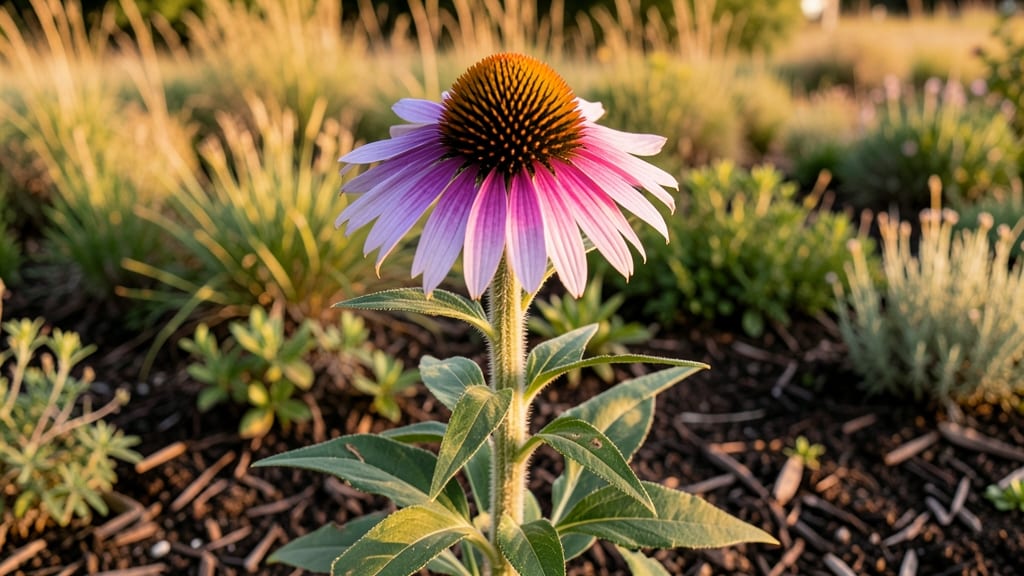
A Sunset Western Garden thrives in USDA Zones 1-9, with frost-free timelines ranging from late April to October depending on elevation and microclimates. Key plants like lavender, manzanita, and ceanothus adapt to dry climates and seasonal shifts, requiring strategic timing for optimal growth.
A Sunset Western Garden isn't just about the plants—it's about understanding how your local climate shapes what grows best.
The USDA Zones 1-9 cover everything from high-desert areas to coastal regions, where frost dates can shift dramatically over just a few miles. 🌵 For example, a garden in Zone 5 might see its last frost in early June, while a nearby coastal spot in Zone 9 could stay frost-free until November.
This variation means timing your plantings—especially for heat-loving species like yucca or agave—can make or break their success.
Native plants like manzanita and ceanothus aren't just survivors; they're thrivers in these conditions. They've evolved to handle drought and seasonal temperature swings, which is why they're the backbone of a Sunset Western Garden.
The key is planting them at the right time—typically after the last frost but before summer heat peaks—to give roots time to establish before the dry season hits.
💡 In This Article
- Understanding Sunset Western Garden Planting Zones
- Best Plants for Sunset Western Garden Zones
Understanding Sunset Western Garden planting Zones
The Sunset Western Garden planting zones (1-9) aren't just numbers—they reflect dramatic climate variations shaped by elevation and proximity to coastlines.
At higher elevations, like those found in the Sierra Nevada foothills, temperatures can drop 10-15°F colder than nearby valleys, creating microclimates where Zone 5 and Zone 7 gardens exist just miles apart.
This elevation effect explains why frost dates in Zone 6 might range from early May in lowland areas to late June in mountainous regions.
Coastal areas, particularly in Zones 7-9, benefit from moderating ocean breezes that delay first frosts until November, while inland desert regions in Zone 5-6 may experience sudden cold snaps as early as October.
The key mechanism here is how coastal fog and moisture retention create a buffer against temperature extremes, while inland areas experience more rapid temperature swings.
For example, a Zone 7 garden in Santa Barbara might have a 240-day frost-free period, while a similar zone inland could see only 180 days.
This zone variation directly impacts plant hardiness. Native species like manzanita (Arctostaphylos) thrive in Zones 7-10 because they've adapted to handle coastal fog and summer droughts, while blue grama grass (Bouteloua gracilis) in Zones 3-9 tolerates both high desert heat and cold snaps.
The science behind this is root depth—native plants develop extensive root systems (often 3-6 feet deep) to access moisture during dry periods, while non-native species struggle without this adaptation.
Seasonal transitions are equally critical. In Zones 1-4, gardeners must time spring plantings for after the last frost (typically late May), while Zones 8-9 allow for year-round planting with only minimal winter protection.
The 1000-hour chilling requirement for many fruit trees explains why apples thrive in Zone 5 but struggle in Zone 9—they need consistent winter cold to break dormancy. Understanding these patterns helps gardeners select plants that match their local climate's specific rhythms.
For practical application, consider these zone-specific tips: In Zones 1-3, focus on cold-hardy perennials like sagebrush (Artemisia) and buffalo grass that survive -20°F temperatures. In Zones 4-6, incorporate Russian olive (Elaeagnus angustifolia) for its drought tolerance and 20°F cold resistance.
Meanwhile, Zones 7-9 gardens excel with California lilac (Ceanothus), which blooms prolifically after winter rains and tolerates 30°F lows.
What most gardeners overlook is how microclimates within a single zone can create entirely different growing conditions. A south-facing slope might be 2-3 zones warmer than a north-facing valley, allowing for earlier plantings.
Using a frost-free date calculator (available from local agricultural extensions) can provide precise timing for your specific location, accounting for these variations.