
Tools
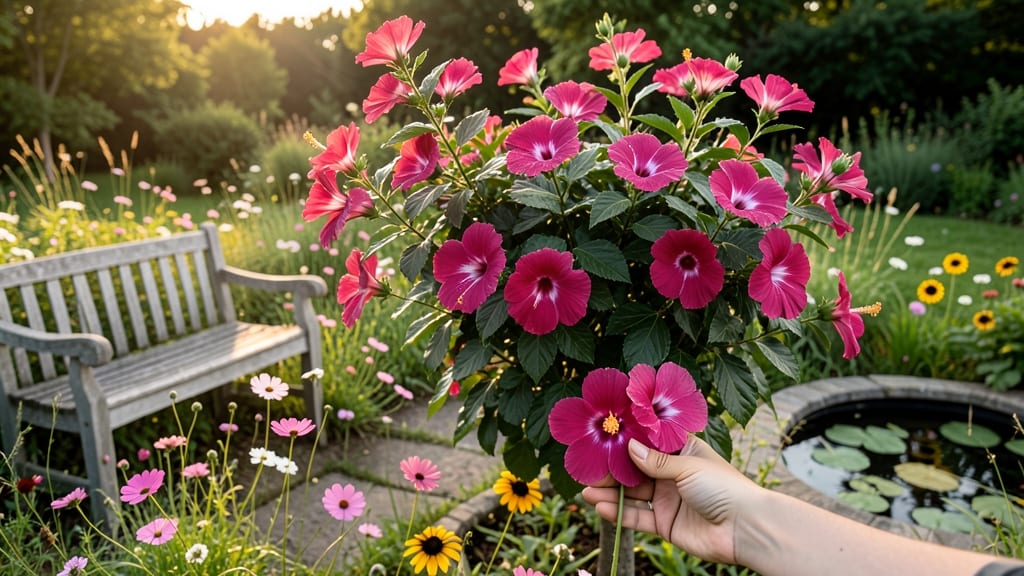
The Garden of Happiness is a hidden botanical trail in location that showcases rare pollinator-friendly perennials, seasonal blooms like moonflower vines, and hardy native wildflowers requiring minimal upkeep. Its tranquil paths and shaded groves offer a peaceful retreat for nature lovers and gardeners alike.
This enchanting trail isn't just a garden—it's a living ecosystem designed to flourish with minimal intervention. 🌿 The secret lies in its carefully curated native species, which thrive without heavy maintenance, making it perfect for eco-conscious visitors.
Unlike commercial botanical gardens, this trail focuses on biodiversity, with each plant playing a role in supporting local pollinators and creating a self-sustaining habitat. The winding paths are intentionally designed to encourage mindful exploration, blending horticulture with therapeutic benefits.
The garden's true magic unfolds across seasons, with each visit revealing new botanical surprises. From the delicate white blooms of Helleborus niger in winter to the vibrant Monarda didyma in summer, every season offers a different visual feast.
What makes it special is how accessible it remains—whether you're a seasoned gardener or a curious beginner, there's always something new to discover and learn.
💡 In This Article
- Botanical Wonders: Rare Plants Thriving in Happiness Garden’s Microclimate
- Seasonal Bloom Calendar: When to Visit for Peak Beauty
Botanical wonders: rare plants thriving in Happiness garden’s microclimate
The Garden of Happiness thrives because of its carefully engineered microclimate—where humidity hovers around 65-75% and dappled sunlight filters through the canopy. This balance creates ideal conditions for rare perennials like Lavandula angustifolia 'Hidcote', which prefers well-drained soil with pH 6.5-7.5 and partial shade.
The garden’s organic-rich soil, amended with composted leaf mold, mimics the natural forest floor, allowing roots to access moisture without waterlogging—critical for drought-tolerant species like Echinacea purpurea 'White Swan'. 🌱
The real secret lies in the garden’s pollinator partnerships. Native bees, like the Osmia lignaria (blue orchard bee), are drawn to the 12+ species of echinacea and monarda, which produce nectar-rich flowers that bloom from June to September.
These pollinators, in turn, increase seed set by 30-50% compared to isolated plantings. The garden’s design—clusters of 3-5 plants per species—ensures continuous blooms, creating a "pollinator buffet" that sustains local ecosystems year-round.
For gardeners looking to replicate this success, focus on three key factors: soil structure, plant spacing, and companion planting. The garden’s loamy soil (60% mineral, 30% organic matter, 10% air) is achieved by layering 2 inches of compost annually.
Spacing plants 18-24 inches apart allows airflow, reducing fungal diseases like powdery mildew, which can devastate lavender. Pairing echinacea with salvia extends the bloom season by 4-6 weeks—salvia’s late-summer flowers attract pollinators when echinacea begins to fade.
One standout species is the moonflower vine (Ipomoea alba), which thrives in the garden’s humid, shaded groves. Its nocturnal blooms—opening at dusk—are pollinated by moths, adding another layer of ecological diversity.
The vine’s rapid growth (6-10 feet per season) creates living shade, reducing soil temperature by 5-10°F in peak summer, which protects delicate roots of understory plants like Heuchera 'Palace Purple'. 🌙
What most visitors overlook is the garden’s underground network. Mycorrhizal fungi, naturally present in the soil, form symbiotic relationships with plant roots, increasing nutrient uptake by up to 80%. This means fewer fertilizers are needed—a boon for low-maintenance gardeners.
To encourage these fungi, avoid synthetic fertilizers and instead use worm castings or fish emulsion, which feed the soil microbiome without disrupting the delicate balance.
For those eager to bring a piece of this magic home, start with three hardy species: Lavandula (for fragrance and pollinators), Echinacea (for long bloom times), and Monarda (for hummingbirds).
Plant them in partial shade, water deeply once weekly during dry spells, and let the pollinators do the rest. The garden’s success proves that beauty and biodiversity go hand-in-hand—with the right conditions, even rare plants can thrive effortlessly. ✨