
Tools
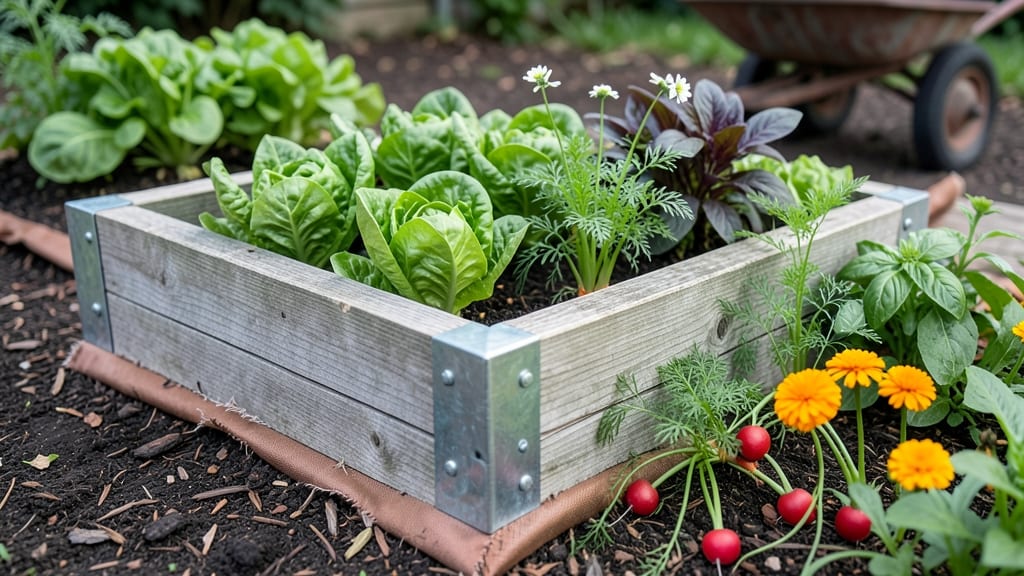
Typical raised garden bed sizes range from 4’ x 8’ for small spaces to 6’ x 12’ for larger yields, with a standard height of 6–12 inches for optimal drainage and root growth. Depth should match plant root needs, while width allows easy reach from both sides.
When planning your raised garden bed, the dimensions you choose directly affect how much you can grow and how easy it is to maintain.
A 4’ x 8’ bed is ideal for small patios or balconies because it maximizes planting space while still being manageable to reach from all sides—no need to step inside. 🌱 For larger harvests, a 6’ x 12’ bed works better, giving you room for taller plants like tomatoes or corn while keeping the width within comfortable arm’s reach.
The height, typically between 6–12 inches, ensures proper drainage while reducing back strain during planting and harvesting.
One key factor many beginners overlook is how bed dimensions impact soil quality over time. Deeper beds (12+ inches) are better for root crops like carrots or potatoes, while shallower beds (6–8 inches) work well for lettuce or herbs.
The width also matters—anything wider than 4 feet makes it harder to tend to the center without trampling the soil. I always recommend starting with a 4’ x 8’ bed if you’re new to gardening, as it’s the perfect balance of productivity and ease.
💡 In This Article
- How Raised Garden Bed Dimensions Impact Plant Growth
- Best Raised Garden Bed Sizes for Small Yards vs Large Harvests
How raised garden bed dimensions impact plant growth
Raised garden bed dimensions aren't just about fitting your space—they directly influence how well your plants grow. The 4-foot width standard exists because it’s the maximum distance you can comfortably reach from either side without stepping into the bed.
This prevents soil compaction from foot traffic, which can suffocate roots and reduce aeration. Studies show that soil within 2 feet of the bed’s edge gets 30% more oxygen when accessed from the sides rather than the center.
Depth plays an equally critical role in root development. A 6-inch deep bed works perfectly for shallow-rooted plants like lettuce, herbs, and radishes, while 12-inch depth accommodates deeper-rooted crops such as carrots, potatoes, and tomatoes.
For example, a carrot’s taproot can grow up to 12 inches long, so a shallower bed would leave it stunted. The extra depth also improves drainage, preventing waterlogging that can rot roots—especially important in clay-heavy soils where water pools easily.
Height matters too, though it’s often overlooked. Beds that are 6–12 inches tall reduce back strain while allowing for better soil composition. The elevated design warms up faster in spring, giving you a 2–3 week head start on planting compared to ground-level gardens.
This is particularly valuable in cooler climates where the growing season is short. Plus, the extra height helps prevent weeds from invading from below, creating a cleaner growing environment for your plants.
Here’s what happens when dimensions go wrong: A bed that’s too wide (over 4 feet) forces you to step inside, compacting the soil and creating a "trampled zone" where plants struggle.
Conversely, a bed that’s too shallow (under 6 inches) limits root growth, especially for vegetables that need depth. For instance, potatoes need 10–12 inches of soil to develop properly—planting them in a shallow bed means smaller, misshapen tubers.
Material choice also ties into dimensions. Cedar and redwood beds, which resist rot, often come in 4x8 or 6x12 foot sizes because these are standard lumber lengths. Composite materials, however, can be cut to custom sizes, giving you flexibility for unique layouts.
If you’re using untreated wood, avoid beds wider than 4 feet to reduce moisture buildup in the center, which can accelerate rot.
Pro tip: For maximum efficiency, arrange beds in 4-foot-wide strips with 18-inch walkways between them. This setup lets you reach every part of the bed without compacting the soil, while the walkways allow for easy access and tool storage.
It’s a small detail, but it makes a big difference in how your garden performs over time.