
Tools
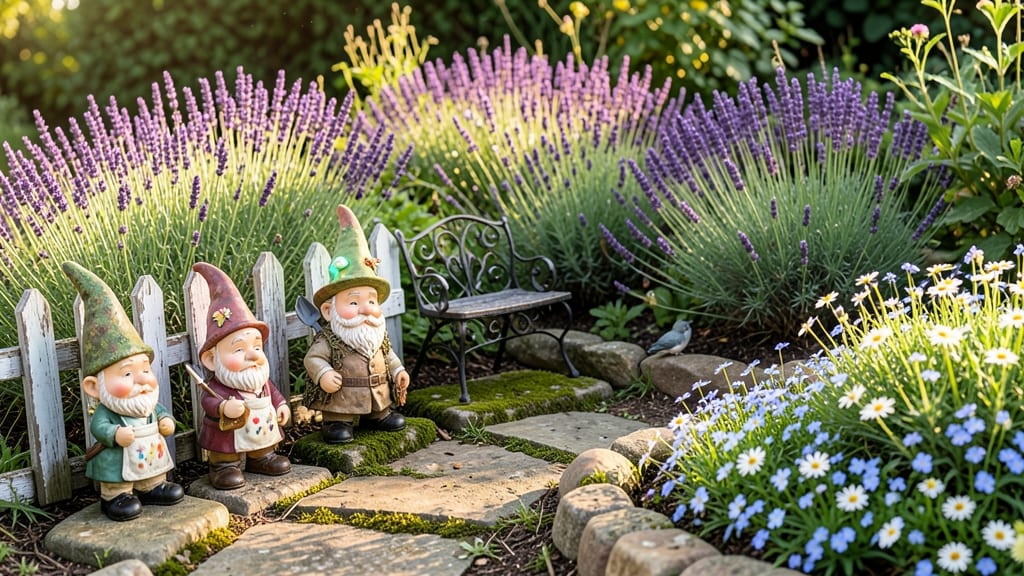
Unique garden gnomes transform your outdoor space by aligning with specific themes—whether it's a mystical fairy-tale setting, a vintage farmhouse vibe, or a sleek modern look. Combine different materials like stone, ceramic, or painted wood to create visual interest, then enhance the scene with matching decor such as miniature furniture or hand-painted garden markers.
Unique garden gnomes aren’t just quirky decorations—they’re the heart of your garden’s personality. 🌿 The key is creating harmony by selecting gnomes that reflect your garden’s overall vibe, whether that’s a cozy cottagecore aesthetic or a bold, artistic statement.
For example, pairing a weathered stone gnome with a rustic wooden bench instantly adds character, while a glossy ceramic gnome in a modern planter keeps things fresh and contemporary. I’ve found that adding small details like tiny umbrellas or whimsical hats elevates the scene from cute to truly captivating.
Don’t overlook the power of color coordination—gnomes in earthy tones blend seamlessly into natural settings, while bright hues pop against neutral backdrops. Pro tip: Group gnomes in odd numbers (3 or 5) for a more organic, intentional look.
The magic happens when every element, from the gnomes themselves to the surrounding plants and decor, tells a cohesive story.
💡 In This Article
- How to Choose Garden Gnomes That Match Your Garden’s Theme
- Creative DIY Garden Gnome Decorating Ideas for Personalization
How to choose garden gnomes that match your garden’s theme
Garden gnomes serve as visual anchors in your outdoor space, so their style should harmonize with your garden’s overall theme. For example, a medieval-themed garden thrives with gnomes dressed in chainmail or holding tiny shields, while a modern minimalist setup pairs best with sleek, monochromatic ceramic figures.
The material choice matters too—stone gnomes exude rustic charm, while resin gnomes offer lightweight versatility for seasonal displays. 🌟 What’s fascinating is how the weight of materials (stone being heaviest, resin lightest) influences placement—heavier gnomes anchor borders, while lighter ones can be moved freely for seasonal updates.
Color coordination transforms gnomes from random decor into intentional focal points. Earthy tones like moss green or terracotta blend seamlessly into cottage gardens, while jewel tones (emerald, sapphire) add drama to contemporary spaces.
Pro tip: Use the 60-30-10 rule—60% dominant colors (like your garden’s foliage), 30% secondary hues (gnome colors), and 10% accent tones (tiny accessories). For instance, a red gnome in a white picket fence garden creates a classic pop, while a pastel pink gnome softens a bold, geometric planter arrangement.
The magic happens when you consider seasonal and cultural styling cues. Spring calls for pastel gnomes with flower crowns, while autumn invites gnomes in harvest colors holding pumpkins. Cultural references—like a Victorian gnome with a parasol or a Scandinavian gnome in a knit cap—add depth to your garden’s narrative.
These details create a story that guests can "read" as they wander your space, making your garden feel like a curated experience rather than just a collection of plants and decor.
Don’t underestimate the power of scale and placement. A 6-inch gnome works beautifully in a window box, while a 12-inch gnome anchors a garden bed. For cohesion, group gnomes with similar heights and styles—think of them as a tiny, whimsical family.
The key is balance: too many gnomes can feel cluttered, but a single statement gnome might lack impact. Aim for 3-5 gnomes in a medium-sized garden, spaced 18-24 inches apart for visual harmony.
Consider how lighting affects your gnome selection. Glow-in-the-dark paint makes gnomes twinkle at night, while reflective surfaces (like metallic finishes) catch moonlight beautifully. For shaded areas, opt for bright colors that stand out against dark foliage, while sunlit spots can handle more subtle, natural tones.
This thoughtful approach ensures your gnomes remain the stars of the show, no matter the time of day.
Here’s a quick reference for theme alignment:
- Fairy Garden: Delicate ceramic gnomes in soft pastels, often with wings or flower crowns
- Rustic Farmhouse: Weathered wood or stone gnomes with overalls or pitchforks
- Modern Minimalist: Smooth ceramic gnomes in neutral tones with geometric accents
- Whimsical Enchanted: Mixed-media gnomes with magical props (crystals, wands, tiny cauldrons)
By aligning your gnomes with these thematic guidelines, you’ll create a garden that feels intentional, cohesive, and uniquely yours—where every element, including the gnomes, tells a story. ✨