
Tools
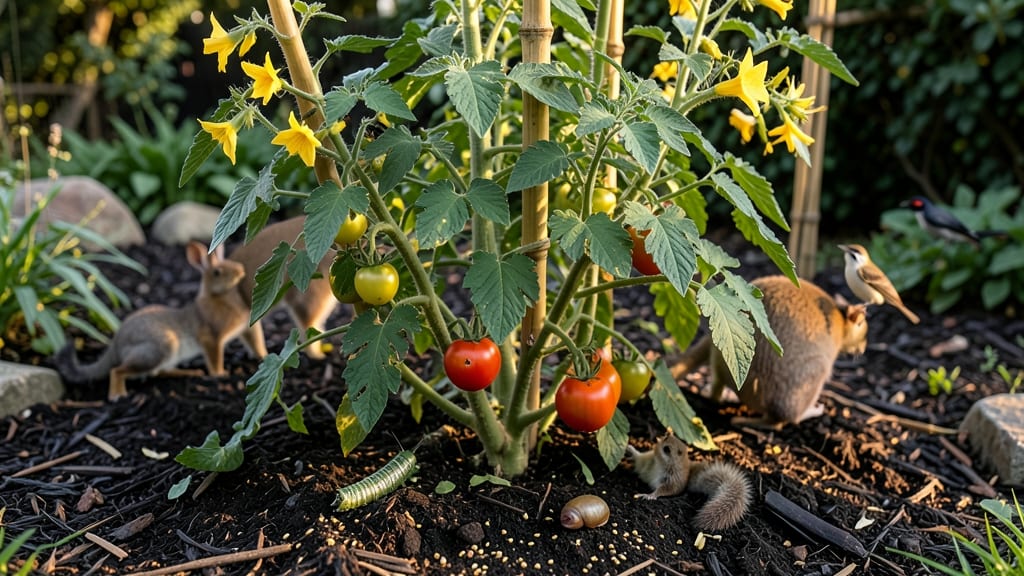
Animals that eat garden tomatoes include squirrels, raccoons, deer, rabbits, and birds like starlings and grackles, along with pests such as tomato hornworms and slugs that can destroy ripe fruit and leaves overnight.
Tomatoes are a prime target because of their high moisture and natural sugars, which make them irresistible to wildlife. 🌱 The soft, juicy fruit is especially vulnerable once it ripens, and many animals—like deer and raccoons—can strip an entire plant in minutes.
Even small critters such as rabbits and birds will peck at tomatoes until they’re gone, often leaving behind telltale signs like scattered seeds or chewed vines.
Seasonal patterns also play a role—spring and summer see the most activity as pests emerge and fruit becomes abundant. Planting tomatoes near strong-smelling herbs like basil or marigolds can help deter some animals, while physical barriers like netting or fencing provide immediate protection.
Understanding these behaviors helps gardeners take proactive steps to safeguard their harvest.
💡 In This Article
- Why Animals Target Tomatoes in Gardens
- Natural Deterrents to Protect Your Tomato Harvest
Why animals target tomatoes in gardens
Tomatoes become a buffet for wildlife because their ripe fruit is packed with 20-30% water content and natural sugars that act like a magnet. The sweet, juicy pulp provides quick energy for animals, while the soft skin makes it easy to consume.
For instance, deer—with a 3-4 foot reach—can pluck entire clusters of tomatoes in seconds, leaving behind jagged bite marks. 🌱 This high-energy snack is especially appealing during spring and summer, when animals are actively foraging for nutrients to sustain growth and reproduction.
The nutrient profile of tomatoes—rich in vitamins A, C, and potassium—makes them a powerhouse for pests. Squirrels, for example, can detect the scent of ripe tomatoes from up to 50 feet away and will cache them for later, often burying them in shallow holes near the garden.
Birds like starlings and grackles are drawn to the bright red color, which signals ripeness in their natural habitat. Even insects, such as tomato hornworms, are attracted to the plant’s scent, which mimics the pheromones of their natural hosts in the wild.
Seasonal behavior also plays a critical role. In early spring, animals like rabbits and deer are more likely to nibble on young tomato plants, mistaking them for weeds or tender greens. By mid-summer, when tomatoes are fully ripe, the focus shifts to the fruit itself.
This shift is driven by the plant’s increased sugar content—up to 5% in ripe tomatoes—which becomes irresistible to wildlife. 🍅 Plant placement matters too; tomatoes grown near wooded edges or fence lines are at higher risk because they provide easy access for ground-dwelling animals.
Another factor is the tomato’s natural growth habit. Vining varieties, like Beefsteak or Brandywine, produce large, accessible fruit that hangs low to the ground—perfect for rabbits and birds. Conversely, bush varieties (such as Roma or Cherry) are slightly more protected but still vulnerable if not properly supported.
The key takeaway is that tomatoes aren’t just a food source; they’re a high-value target due to their combination of sweetness, moisture, and easy accessibility.
Understanding these biological triggers helps gardeners predict and prevent damage. For example, harvesting tomatoes as soon as they ripen—rather than leaving them on the vine—can reduce the window of opportunity for pests.
Additionally, planting tomatoes in raised beds or containers elevates them out of reach for many ground-dwelling animals, while pruning lower branches can deter birds and small mammals. 🌿 The goal is to disrupt the natural attraction by making the tomatoes less accessible or less appealing.
One often-overlooked detail is the role of fermentation and overripeness. Tomatoes that split or ferment on the vine release even stronger odors, which can attract pests like raccoons and possums.
These animals are drawn to the yeasty, fruity aroma that develops as the fruit breaks down, making overripe tomatoes a magnet for nighttime foragers. Regular monitoring and prompt harvesting can mitigate this risk, ensuring your garden remains a safe haven for your plants—and not a smorgasbord for wildlife.