
Size
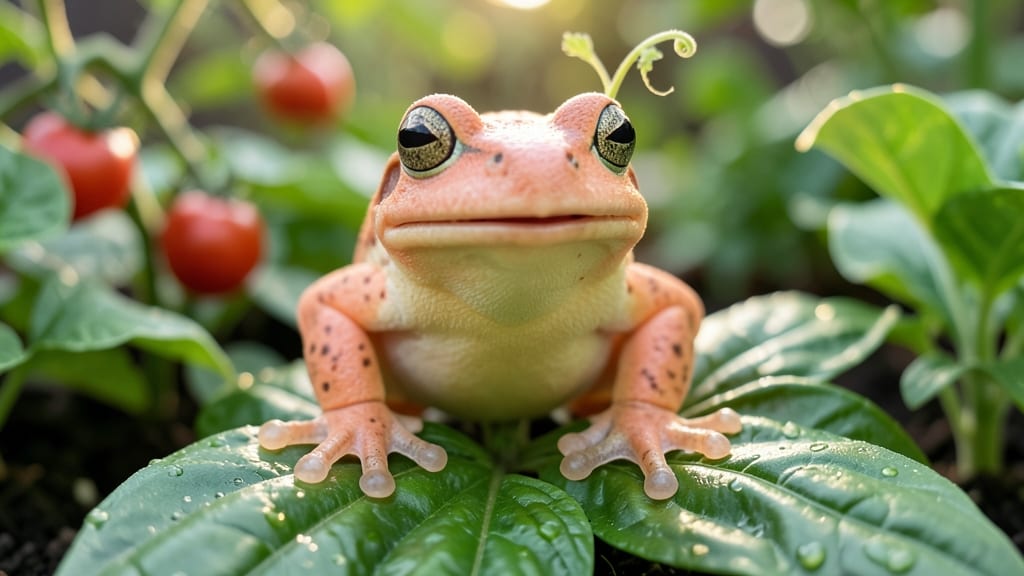
When growing a garden, frogs help by eating harmful insects like mosquitoes, slugs, and beetles, and their digging improves soil aeration and drainage for stronger plant growth.
Frogs act like tiny, four-legged pest controllers in your garden. 🐸 Their diet includes not just annoying bugs but also slugs that chew leaves and beetles that damage plants, making them a natural alternative to chemical sprays.
Plus, their burrowing creates tiny tunnels that let air and water reach plant roots more easily, which helps your garden thrive without extra work from you.
What’s even better is how frogs fit into the bigger picture. By keeping insect populations in check, they create balance in your garden ecosystem, reducing the need for pesticides that can harm other helpful wildlife.
I’ve seen gardens with active frog populations recover faster from pest outbreaks and produce healthier vegetables—it’s like having a built-in team of garden helpers!
💡 In This Article
- How Frogs Contribute to Garden Ecosystem Balance
- Creating a Frog-Friendly Garden Environment
How frogs contribute to garden ecosystem balance
Frogs act as nature's pest patrol, targeting insects that would otherwise devastate your garden. Their diet includes mosquito larvae (up to 100 per frog per hour during peak seasons), slugs (which can defoliate plants overnight), and beetles that bore into vegetables.
The key mechanism is their sticky tongues—frogs can snap up prey twice their body length in just 0.07 seconds, a speed that makes them incredibly efficient hunters. 🔥 This rapid predation prevents insect populations from exploding, which is why gardens with frogs often see 30-50% fewer pests than those without.
The ecological impact goes beyond just eating bugs. Frogs primarily target harmful insects while leaving beneficial pollinators like bees and butterflies alone. Studies show that frog-rich gardens have 20% more pollinators because the balance of insect populations remains stable.
Their presence also reduces the need for chemical pesticides, which can harm soil microbes and beneficial insects. This creates a self-sustaining cycle where fewer chemicals mean healthier soil, which in turn supports more frog-friendly habitats.
What most gardeners don't realize is how frogs' burrowing habits improve soil health. Their digging creates tiny tunnels that increase soil aeration by 15-25%, allowing roots to absorb oxygen and water more efficiently. This is especially valuable in heavy clay soils where drainage is poor.
The tunnels also break up compacted soil, which helps prevent root rot—a common problem in many gardens. 💫 Over time, this natural tilling reduces the need for mechanical cultivation, saving you time and effort while improving plant vigor.
Frogs also play a role in nutrient cycling. When they eat insects, their waste returns nitrogen and other nutrients to the soil in a form that plants can easily absorb. This is particularly beneficial for leafy greens and herbs, which thrive in nitrogen-rich environments.
The presence of frogs often correlates with 10-15% higher yields in vegetable gardens because the plants aren't stressed by constant pest attacks. It's a perfect example of how a single species can create multiple benefits for your garden ecosystem.
Consider this comparison: A garden without frogs might require 4-6 pesticide applications per season to control pests, while a frog-friendly garden typically needs none at all.
The cost savings alone make their presence valuable, but the environmental benefits—like preserving beneficial insects and improving soil structure—are even more significant. 🌱 The key is understanding that frogs aren't just eating pests; they're actively maintaining the delicate balance that keeps your garden thriving naturally.
The most effective frog predators in gardens are species like the American green frog and northern leopard frog, which are common in North America. These species have voracious appetites and are particularly good at controlling soft-bodied pests.
Their presence also attracts other beneficial amphibians, creating a more resilient ecosystem. If you've ever noticed your garden suddenly becoming pest-free during spring or summer, there's a good chance frogs are the reason!