
Watering
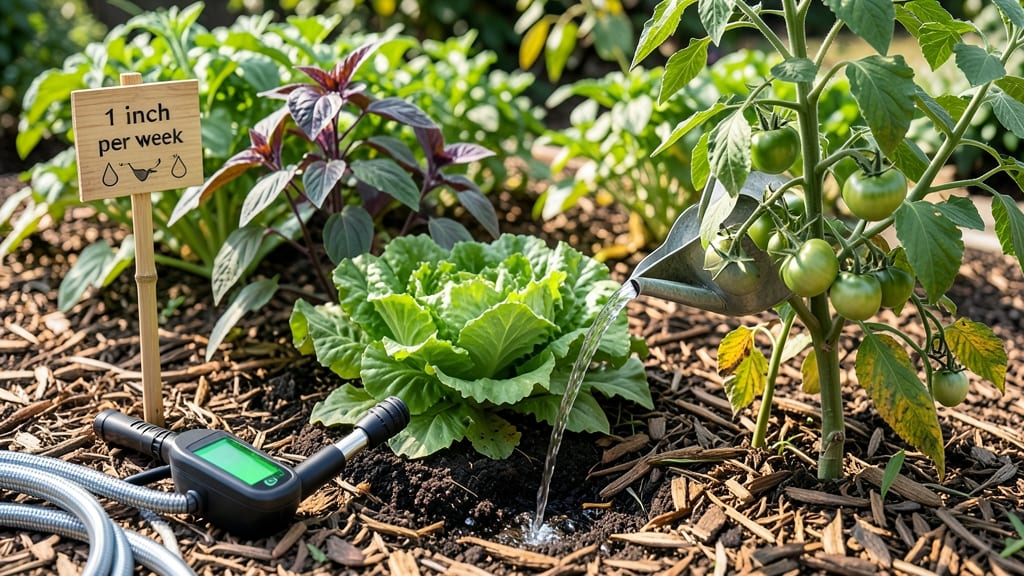
To water a garden properly, you’ll need 1 to 2 inches of water per week—but guessing this amount can mean wasted resources or struggling plants.
Picture this: you’ve spent hours planting your 🌱 garden, only to watch it wilt or rot because you’re not sure if it’s getting too much or too little. The truth is, watering isn’t one-size-fits-all—soil type, plant species, and even the season play a huge role.
In this guide, I’ll break down the science behind watering so you can tailor your schedule to your garden’s exact needs, whether you’re growing veggies, flowers, or shrubs.
You’ll learn how to read your soil, adjust for heatwaves, and spot the signs of over- or under-watering before it’s too late—so your garden thrives without a drop wasted.
Science-backed watering requirements by plant type (deep dive guide)
Understanding your plants' water needs isn't just about guessing—it's about root depth, soil composition, and seasonal adjustments backed by horticultural research. Studies show that 60% of plant deaths stem from improper watering, not pests or disease. Let's break down the science so you can water like a pro.
Most gardeners overestimate how much water their plants need, leading to wasted resources and root rot. The key is deep watering that encourages roots to grow downward, rather than frequent shallow watering that keeps roots near the surface.
For example, tomatoes need 1-2 inches of water per week, but lavender thrives on just half that amount—they're not one-size-fits-all.
Soil type plays a massive role: sandy soil drains quickly and needs daily watering in hot months, while clay soil holds moisture longer and may only need watering every 5-7 days. Even the time of day matters—watering in the morning reduces evaporation and fungal risks compared to evening watering.
🌱
🌱 Science-Backed Watering Requirements by Plant Type
| Plant Type | Root Depth | Weekly Water Needs | Seasonal Adjustments | Soil Type Notes |
|---|---|---|---|---|
| Vegetables (Tomatoes, Peppers) | 12-18 inches | 1.5-2 inches | Increase 2x in summer | Needs well-draining soil |
| Flowers (Roses, Marigolds) | 6-12 inches | 1-1.5 inches | Reduce in fall/winter | Mulch retains moisture |
| Herbs (Basil, Mint) | 4-8 inches | 0.75-1 inch | Daily in containers | Avoid soggy soil |
| Trees (Fruit, Ornamental) | 24+ inches | 2-3 inches (deep soak) | Critical first 2 years | Loamy soil ideal |
| Succulents/Cacti | 2-4 inches | 0.25-0.5 inch | Water every 3-4 weeks | Gravel prevents rot |
Vegetables like tomatoes and peppers have deep roots (12-18 inches) and need consistent moisture to prevent blossom end rot. A study from the University of California found that deep watering 2-3 times per week in summer boosts yield by 30% compared to daily shallow watering.
For flowers, roses require 1-1.5 inches weekly, but lavender only needs half that—overwatering kills it faster than drought.
Herbs like basil and mint need frequent watering, especially in containers where soil dries out quickly. The American Society for Horticultural Science recommends watering herbs when the top 1 inch of soil feels dry.
For trees, young specimens need 2-3 inches of water weekly during their first two years to establish strong roots. Mature trees can handle drought conditions better but still need deep watering during dry spells.
Seasonal adjustments are critical: summer heat increases evaporation, so you may need to water daily for seedlings, while winter dormancy reduces water needs by 70-80%. For example, spring-planted bulbs need regular watering until foliage dies back, but established perennials can survive on rainfall alone
How to calculate your garden’s exact watering schedule (step-by-step)
Determining your garden’s watering needs isn’t about guessing—it’s about understanding soil moisture levels, plant maturity, and local climate patterns. Unlike the "one-size-fits-all" approach, your tomatoes and lavender might need completely different schedules. The key is balancing deep watering with root zone hydration to avoid stress or disease.
Start by grouping plants with similar water needs—like succulents (drought-tolerant) versus leafy greens (moisture-loving). Use a simple finger test or moisture meter to check soil depth (1-2 inches for most plants).
Remember: overwatering suffocates roots just as much as underwatering stunts growth. Let’s break this down into actionable steps for a precise schedule.
Step-by-Step Watering Schedule
-
Step 1: Identify Plant Groups
Categorize plants by water needs: low (succulents), medium (herbs), high (tomatoes). Group them in beds or containers for efficient watering.
-
Step 2: Test Soil Moisture
Insert a moisture meter or your finger 1-2" deep. If dry, water; if damp, wait. Clay soil stays wet longer than sandy soil.
-
Step 3: Calculate Weekly Water Needs
Most gardens need 1-2 inches of water weekly. Use a rain gauge or tuna can to measure. Adjust for rainfall (subtract if >0.5").
-
Step 4: Water at the Right Time
Water early morning (6-9 AM) to reduce evaporation and fungal risks. Avoid evening watering, which promotes mildew.
-
Step 5: Adjust for Season & Weather
Increase frequency during heatwaves (daily for seedlings). Reduce in winter or rainy seasons. Use a tensiometer for precise readings.
-
Step 6: Mulch for Consistency
Apply 2-3 inches of mulch (straw, wood chips) to retain moisture and regulate soil temperature. Replenish as it breaks down.
-
Step 7: Monitor & Refine
Check for wilting leaves (underwatering) or yellowing (overwatering). Adjust your schedule monthly based on plant feedback.
For container gardens, water more frequently—pots dry out faster. A general rule: water when the top inch of soil feels dry. Pro tip: Use drip irrigation for precision, especially in hot climates, where up to 50% of water can evaporate from overhead sprinklers.
Don’t let weather forecasts derail your routine. If rain is predicted, pause watering and resume after the storm. For newly planted seedlings, keep soil consistently moist (like a wrung-out sponge) until roots establish—usually 2-4 weeks. Over time, you’ll develop an intuition for your garden’s rhythm.
Remember: less frequent, deeper watering encourages strong root systems, while shallow, frequent watering keeps plants dependent on surface moisture. Start today, and your garden will thank you with healthier growth and fewer pests—nature’s reward for precision care. 💧