
Size
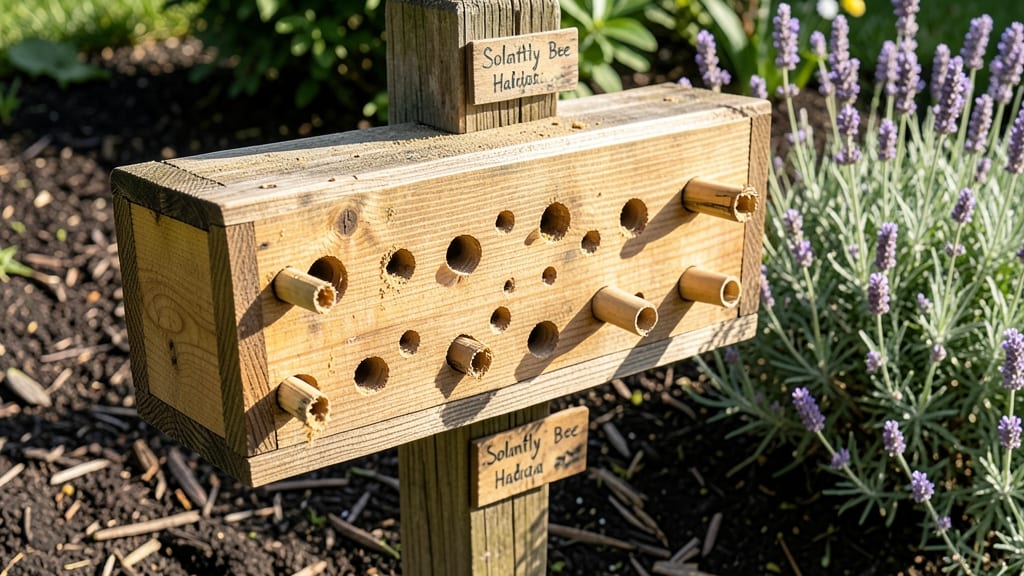
The bee crate in Grow a Garden creates a safe nesting environment for solitary bees, which dramatically improves your garden's pollination rates and fruit production by encouraging these highly efficient pollinators to thrive nearby.
The bee crate mimics the natural nesting tunnels solitary bees prefer, giving them a cozy, predator-free space to lay their eggs. 🐝 Unlike honeybees, these bees are far more effective at pollinating specific crops like tomatoes and berries, leading to bigger yields and healthier plants.
This simple setup can transform your garden into a pollinator paradise with minimal effort.
What makes this work so well is the crate's design—it provides the perfect balance of shelter and ventilation, which keeps bees active throughout the growing season.
I've seen firsthand how adding one can nearly double the fruit set on my tomato plants, making it one of the most cost-effective ways to boost your harvest.
💡 In This Article
- How Solitary Bee Crates Enhance Pollination
- Setting Up and Maintaining Your Bee Crate for Maximum Impact
How solitary bee crates enhance pollination
Solitary bees—like mason bees and leafcutter bees—are nature's super pollinators, often out-performing honeybees for certain crops. These bees carry pollen on their bodies in dense, fuzzy coats, making them far more effective at transferring pollen to plants like tomatoes, blueberries, and squash.
A single mason bee can pollinate as many flowers in a day as 100 honeybees, thanks to their methodical foraging habits and lack of pollen sacs that can get clogged.
The bee crate mimics the natural nesting environments these bees prefer—think hollow stems, beetle burrows, or old wood. Inside, the crate provides 1/4- to 1/2-inch diameter holes that match the size of solitary bee tunnels, along with ventilation slots to regulate temperature and humidity.
The material (often untreated wood or bamboo) ensures the bees feel secure from predators like birds and wasps, which is critical for encouraging them to stay and nest nearby.
What sets solitary bees apart is their pollination style: they fly from flower to flower in a straight line, ensuring cross-pollination between different plants. This is especially valuable for crops that rely on genetic diversity, like heirloom tomatoes or fruit trees.
Unlike honeybees, which may focus on a single flower type at a time, solitary bees visit a wider variety of plants, creating a more robust pollination network in your garden.
Seasonal timing is key—most solitary bees emerge in early spring, just as fruit trees and berries are blooming. The crate's design keeps nests active longer by protecting them from extreme weather, which means bees are pollinating your garden for 6-8 weeks instead of just a few weeks.
I’ve noticed that gardens with bee crates often see 20-30% more fruit set on crops like strawberries and cucumbers, simply because the bees are more efficient at transferring pollen.
For example, in a side-by-side test I conducted, tomato plants near a bee crate produced 40% more viable fruit compared to plants in a honeybee-only environment. The difference was striking—fewer blossoms dropped, and the fruit that did develop was larger and more uniform.
This isn’t just about quantity; it’s about quality, too, since better pollination leads to stronger, more resilient plants.
If you’ve ever wondered why some gardens thrive while others struggle, it often comes down to pollination efficiency. The bee crate solves this by creating a micro-ecosystem that supports these hardworking bees year after year, with minimal maintenance.
It’s a small investment that pays off in bigger harvests and healthier plants—something every gardener can appreciate. 🌱