
Advice
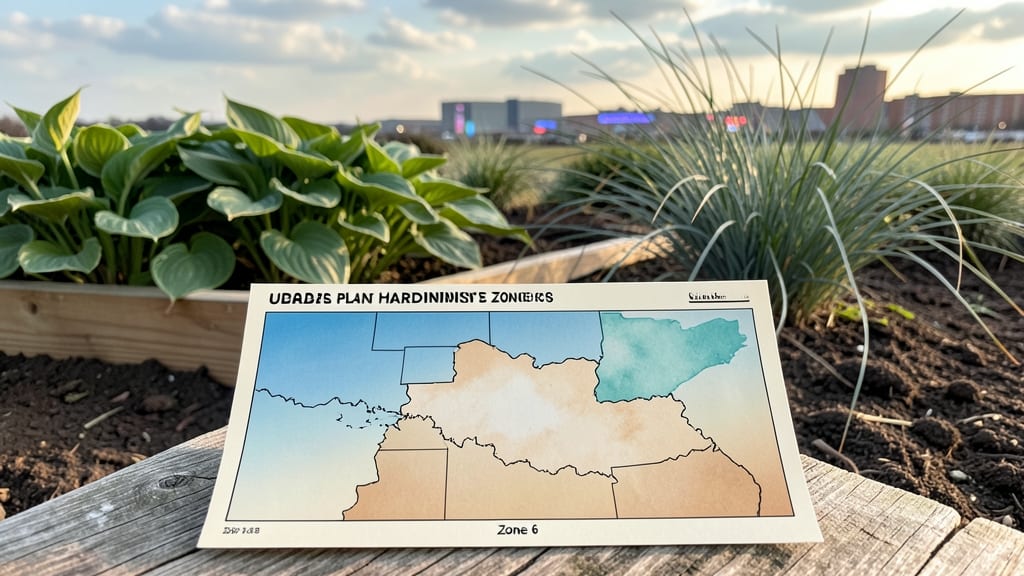
What gardening zone is Cincinnati, Ohio? The city sits in USDA Plant Hardiness Zones 6a and 6b—a critical detail for gardeners who want to time their planting just right.
If you’ve ever rushed to plant tomatoes only to see them nipped by frost, or struggled to keep perennials alive through a late spring chill, you know how much the zone matters.
The difference between Zone 6a (colder) and 6b (warmer) can shift your frost dates by weeks, especially in Cincinnati’s urban pockets where heat islands push temperatures higher.
This guide breaks down exactly what those zones mean for your garden—from the average last frost date of April 15 to how microclimates (like river valleys or downtown heat) can throw off your planting timeline. No more guessing whether to start seeds indoors or wait for warmer soil.
You’ll learn how to adjust for Cincinnati’s humidity, pick the right plants for your specific zone, and even extend your growing season with simple tricks. Let’s get those seeds in the ground at the perfect time!
Cincinnati Ohio’s exact gardening Zone: USDA 6a to 7a with microclimate variations
Cincinnati sits squarely in the USDA Plant Hardiness Zones 6a and 7a, meaning average winter lows range from -10°F to 0°F in Zone 6a and 0°F to 10°F in Zone 7a. This distinction matters because it determines which plants survive your winters—like zones 6a-7a cold-hardy roses versus tender annuals that need winter protection.
But here’s the twist: Cincinnati’s microclimates create pockets where your garden might feel more like Zone 5 or 8, depending on location.
Downtown Cincinnati’s urban heat island effect pushes temperatures 2–5°F higher than suburban areas, while neighborhoods near the Ohio River experience milder winters due to the river’s moderating influence. Even within a single block, elevation changes of just 10–20 feet can shift your effective zone by half a number.
For example, Mount Lookout (higher elevation) might behave like Zone 6a, while Northern Kentucky’s floodplain areas could feel closer to Zone 7a.
To pinpoint your exact zone, use the USDA Interactive Zone Finder (link in resources) and overlay it with Cincinnati’s microclimate map. Input your precise address—especially if you’re in a valley, near water, or surrounded by pavement.
For instance, a garden in Hyde Park (hilly, shaded) may need Zone 5-tolerant plants, while a Downtown rooftop garden might handle Zone 7b varieties.
| Cincinnati Area | USDA Zone | Key Microclimate Factors | Planting Adjustments |
|---|---|---|---|
| Downtown Cincinnati | Zone 7a (heat island effect) | Concrete surfaces, tall buildings, limited wind | Choose heat-tolerant varieties (e.g., Lantana, Russian Sage); mulch heavily to cool roots. |
| Ohio River Floodplain | Zone 7a-7b (river moderation) | Higher humidity, milder winters, potential flooding | Prioritize moisture-loving plants (e.g., Canna Lilies, Hostas); elevate containers to prevent waterlogging. |
| Mount Lookout/Evendale | Zone 6a (higher elevation) | Cooler nights, faster frost return in fall | Plant earlier-maturing varieties (e.g., ‘Early Girl’ Tomatoes); use row covers for fall crops. |
| Northern Kentucky (e.g., Covington) | Zone 7a-7b (southern exposure) | Longer growing season, less extreme winters | Extend season with tender perennials (e.g., Ornamental Peppers, Basil); plant 30 days later than Zone 6a areas. |
| Suburban Areas (e.g., Montgomery) | Zone 6a-6b (typical) | Balanced urban/rural mix | Follow standard Zone 6a guidelines; monitor local frost dates for fine-tuning. |
If you’re unsure whether your garden leans toward Zone 6a or 7a, observe your plants’ winter survival. Did your roses or peonies survive unscathed in a -10°F dip? You’re likely in Zone 6a. Did tender perennials like lavender bounce back after 0°F nights?
Zone 7a is your zone. For a quick test, plant ‘Winter Gem’ Boxwood (Zone 6a) and ‘Dwarf Fountain’ Grass (Zone 7a) side by side—see which thrives.
Microclimates also affect summer heat stress. Downtown gardens may need afternoon shade for heat-sensitive plants like lettuce or basil, while river-adjacent areas can support tropical-looking foliage (e.g., Elephant Ears, Banana Plants) that would bolt in drier zones.
To adapt, group plants by their heat zone tolerance—for example, place Zone 8+ succulents in containers you can move to shade during peak heat.
Pro tip: Use mulch and windbreaks to soften microclimate extremes. A 3-inch layer of straw or wood chips can protect roots from fluctuating temperatures, while a tall evergreen hedge (like ‘Green Giant’ Arborvitae) buffers wind chill in exposed areas.
For container gardens, move pots to sheltered spots during late-spring frosts or summer heatwaves.
When selecting plants, cross-reference the USDA Zone with Cincinnati’s first/last frost dates (April 15–May 10 for last frost; October 10–November 1 for first frost). For instance, tomatoes (Zone 5–10) can be planted after May 1 in Zone 6a but may need a row cover if frost lingers.
Meanwhile, cool-season crops like kale (Zone 3–9) can handle Zone 6a’s early frosts but may bolt in Zone 7a’s milder winters.
2024 Cincinnati frost dates and planting deadlines: when to start seeds indoors vs. outdoors
Cincinnati's USDA Zone 6a/6b means frost can strike anytime between October 10 and November 1, while the last frost typically arrives between April 15 and May 10. These dates create a 165-day growing season, but microclimates—like urban heat islands—can shift your local timeline by 1-2 weeks.
Planning ahead ensures your vegetables, perennials, and annuals thrive without frost damage.
For cool-season crops like kale and peas, you can plant as early as March 15 under row covers. Meanwhile, warm-season plants such as tomatoes and peppers need to wait until after May 10—or start indoors 6-8 weeks earlier—to avoid frost.
Understanding these deadlines helps you avoid wasted seeds and stunted growth.
- 📅 Last Frost: April 15–May 10 (use May 10 as your safe date for outdoor planting).
- ❄️ First Frost: October 10–November 1 (harvest tomatoes and peppers before October 20).
- 🌱 Indoor Start: Begin cool-season seeds (March 1) and warm-season seeds (March 15) indoors.
- 🌿 Transplant Window: Move seedlings outdoors after April 22 (when soil warms to 60°F).
- 🛡️ Extend Season: Use row covers to plant 30 days earlier or cold frames for fall harvests.
To maximize your 165 frost-free days, start cool-season crops like lettuce and spinach indoors in late February. Transplant them outdoors by March 15 under floating row covers to protect against late frosts.
For warm-season plants, begin tomatoes and peppers indoors by March 15 and harden them off by April 22 for outdoor planting.
Use row covers or cold frames to push your planting windows earlier or later. For example, broccoli and cabbage can tolerate light frosts, so you can plant them as early as March 15 with protection.
Similarly, kale and Brussels sprouts thrive in cooler weather and can be planted until August 15 for a fall harvest.
For high-risk plants like basil and cucumbers, add a 30-day buffer to your frost dates. If you’re unsure about your local microclimate, check the National Weather Service for 10-day forecasts before planting outdoors. This extra caution ensures your garden avoids frost damage and bolting.
Plan your fall garden by harvesting tomatoes and peppers before October 20 and replacing them with cold-hardy crops like carrots and radishes. Use mulch and row covers to extend the season and protect tender plants from early frosts.
With these strategies, you’ll make the most of Cincinnati’s unique growing conditions and enjoy a bountiful harvest year-round. 🌱