
Planting
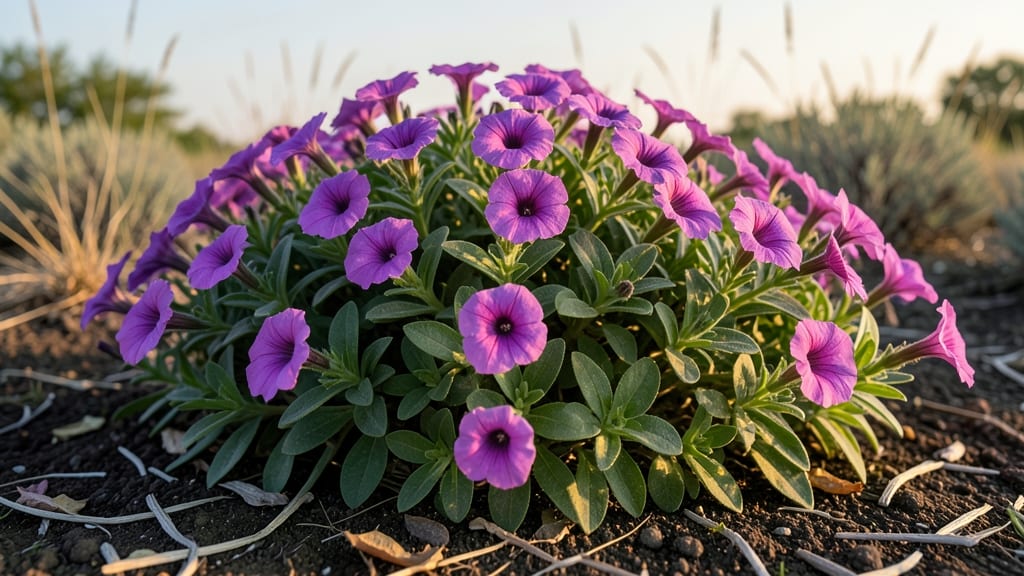
What gardening zone is Houston, Texas? It falls under USDA Hardiness Zone 8b, which means it can grow plants that tolerate minimum temperatures between 15°F to 20°F (-9°C to -6°C), with its warm winters and hot summers perfect for tropical and subtropical varieties.
Houston’s Zone 8b classification comes from its mild winters and long growing season—typically 300 frost-free days per year. 🌿 The city’s high humidity and summer heat (often exceeding 90°F) create ideal conditions for heat-loving plants like bougainvillea or citrus trees, while occasional cold snaps rarely drop below 15°F.
This balance makes Houston one of the most plant-friendly zones in Texas, allowing gardeners to experiment with both cold-hardy and heat-tolerant species year-round.
What sets Houston apart is its ability to support perennial vegetables like asparagus and artichokes, which thrive in Zone 8b’s stable climate. Even tropical plants like hibiscus or bird-of-paradise can survive outdoors with proper winter protection, like mulching or wrapping.
The key is understanding microclimates—areas near buildings or water may stay warmer, extending the growing season even further.
💡 In This Article
- Understanding Houston’s USDA Zone 8b Climate Factors
- Best Plants for Houston’s Zone 8b Garden
Understanding Houston’s USDA Zone 8b climate factors
Houston’s classification as USDA Zone 8b stems from its average annual minimum temperature of 15°F to 20°F (-9°C to -6°C), based on 30-year climate data from the National Oceanic and Atmospheric Administration (NOAA). The city’s proximity to the Gulf of Mexico creates a moderating effect, preventing extreme temperature swings.
Unlike inland Texas zones, Houston rarely experiences prolonged freezes—most cold snaps are short-lived, lasting 3-5 days with temperatures rarely dropping below 10°F (-12°C). This stability allows plants to remain active longer into fall and emerge earlier in spring.
The humidity plays a critical role too. Houston’s average relative humidity hovers around 75-85% year-round, which can stress some plants accustomed to drier climates. However, this moisture also supports lush growth for tropical species like elephant ears (Colocasia) or canna lilies, which thrive in Houston’s damp summers.
The city’s 300+ frost-free days annually create one of the longest growing seasons in the U.S., with 10-12 months of potential outdoor gardening when using season extension techniques.
What most gardeners overlook is how Houston’s urban heat island effect creates microclimates. Areas near concrete or asphalt can be 5-10°F warmer than rural zones, pushing some plants into higher heat tolerance zones.
This is why you’ll see bougainvillea thriving in downtown Houston while the same plant might struggle in suburban areas with more shade. The key is choosing plants that match your specific microclimate—succulents for hot, dry spots and ferns for shadier, moister areas.
Seasonal variations matter too. Summers in Houston average 90-95°F (32-35°C), with heat indices often exceeding 100°F (38°C)—a challenge for plants not adapted to high humidity and intense sunlight.
Yet, this heat accelerates growth for fast-maturing crops like okra or sweet potatoes, which can go from seed to harvest in 60-90 days.
The trade-off is increased water needs; many Houston gardeners use drip irrigation to maintain soil moisture without promoting fungal diseases common in the region’s humid climate.
For those new to Zone 8b gardening, the biggest adjustment is learning which plants can handle Houston’s occasional cold snaps without protection. For example, citrus trees (like Meyer lemons) can survive Houston winters if planted in well-draining soil and mulched heavily.
The mulch acts like an insulating blanket, keeping root zones 5-10°F warmer than ambient air temperatures. Similarly, camellias bloom beautifully in Houston’s mild winters, provided they’re sheltered from wind chill.
One often-missed factor is Houston’s hurricane season (June-November), which can damage plants with heavy winds and flooding. Salt spray from storms can also harm coastal plants like shrimp plants (Justicia brandegeana).
The solution? Choose flexible, resilient species that bounce back quickly, such as lantana or turk’s cap (Malvaviscus), which recover faster from storm damage than delicate annuals.
Here’s the takeaway: Houston’s Zone 8b climate is a grower’s paradise for those who adapt to its heat, humidity, and occasional cold snaps. The key is selecting plants that match your specific microclimate, using mulch and season extension techniques, and preparing for hurricane season.
With these strategies, you can enjoy a year-round garden that thrives in Houston’s unique conditions. 🌟