
Planting
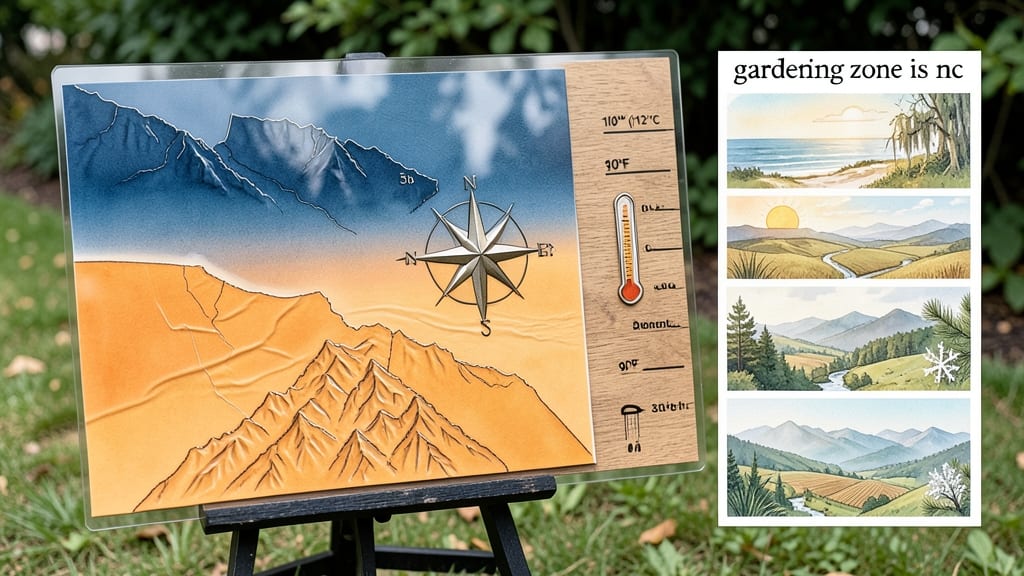
North Carolina's gardening zones range from 5 through 9, with the majority of the state falling in Zones 7 and 8, creating ideal conditions for diverse gardening across coastal, Piedmont, and mountain regions. Local microclimates can shift planting zones by up to two levels, so always verify your exact location.
Understanding North Carolina's gardening zones helps you choose the right plants for your yard. The state's varied geography—from the Atlantic coast to the Appalachian Mountains—creates distinct growing conditions.
For example, coastal areas like Wilmington thrive in Zone 8, while higher elevations in the Blue Ridge Mountains may experience Zone 5 temperatures. 🌱 This diversity means you can grow everything from heat-loving citrus in the south to cold-hardy rhododendrons in the mountains.
What makes this especially useful is how these zones influence planting times. In Zone 7 (common in Raleigh and Charlotte), you can plant warm-season crops like tomatoes as early as mid-April, while Zone 5 areas in the mountains might need to wait until late May.
Always check the USDA's interactive map for your specific address, as microclimates near water bodies or urban heat islands can create pockets of different zones within just a few miles.
💡 In This Article
- North Carolina’s USDA Zones Explained by Region
- Best Plants for Each North Carolina Gardening Zone
North Carolina’s USDA zones explained by region
The USDA divides North Carolina into five distinct gardening zones, primarily shaped by elevation and proximity to the coast. Coastal areas like Wilmington and Morehead City sit in Zones 8a-8b, where average minimum winter temperatures range from 10°F to 20°F.
This mild climate allows tropical plants like hibiscus and bougainvillea to thrive year-round. 🌊 Meanwhile, the Piedmont region—home to Raleigh and Charlotte—falls in Zones 7a-8a, with winter lows between 0°F and 15°F, making it ideal for classic Southern favorites like azaleas and camellias.
As you move inland toward the Appalachian Mountains, zones shift dramatically. Western North Carolina, including Asheville and Boone, experiences Zones 5b-7a, where winter temperatures can drop below -15°F at higher elevations. This colder climate supports hardy perennials like peonies and hostas, which would struggle in coastal heat.
The transition between zones often happens within just 50-100 miles, illustrating how quickly microclimates change with elevation and topography.
Elevation plays a critical role in these zone variations. For every 1,000 feet gained in altitude, temperatures typically drop by 3.5°F, which can shift a gardening zone by half a level.
For example, a mountain garden at 4,000 feet might experience Zone 6 conditions, while just 10 miles away at sea level, the same latitude could be Zone 8. This is why gardeners in the Blue Ridge Escarpment often face 10-15°F colder winters than those in the adjacent Piedmont.
Microclimates further complicate these generalizations. Urban heat islands in cities like Charlotte can create Zone 8 conditions in downtown areas where asphalt and buildings trap heat, while nearby rural zones might remain at Zone 7a.
Similarly, coastal areas experience milder winters due to the moderating influence of the Atlantic Ocean, while inland valleys can experience 5-10°F colder nights due to cold air pooling. These localized variations mean gardeners should always verify their exact zone using the USDA's interactive map.
Understanding these regional patterns helps explain why some plants thrive in one area but fail in another. For instance, crape myrtles flourish in Zone 7 Piedmont gardens but may struggle in Zone 5 mountain elevations.
Conversely, palmetto palms can survive in coastal Zone 8 but would perish in a mountain Zone 6 garden. The key is matching plant hardiness ratings to your specific zone while accounting for local microclimates that can push boundaries by half a zone or more. 🌿
For practical application, consider these regional guidelines when selecting plants:
- Coastal Zone 8: Citrus, camellias, and gardenias thrive with minimal frost risk
- Piedmont Zone 7: Roses, hydrangeas, and vegetables like tomatoes and peppers grow exceptionally well
- Mountain Zone 5-6: Cold-hardy trees like oaks and maples dominate, with perennials needing winter protection